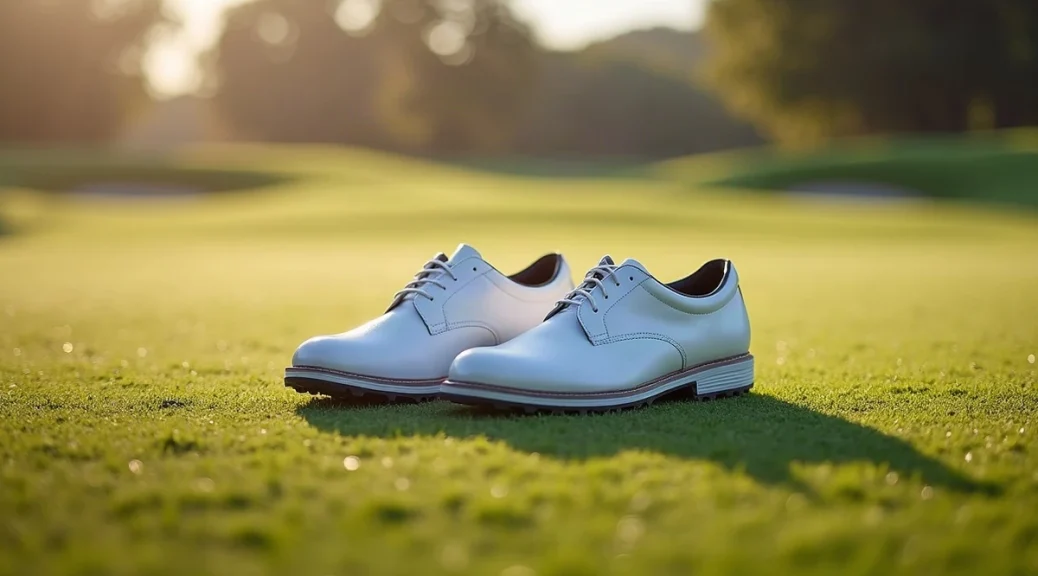
Spikeless vs spiked golf shoes (2026): which grips when it counts
Spikeless vs spiked golf shoes: spikeless wins for dry, flat summer golf; spikes win on wet grass, hills and fast swings. Here is how to choose your pair.
Spikeless vs spiked golf shoes: spikeless wins for dry, flat summer golf; spikes win on wet grass, hills and fast swings. Here is how to choose your pair.

TP5 vs TP5x: the TP5 is the better ball for most 10 to 25 handicaps. Here is when the lower-spin TP5x wins, and which year to buy.
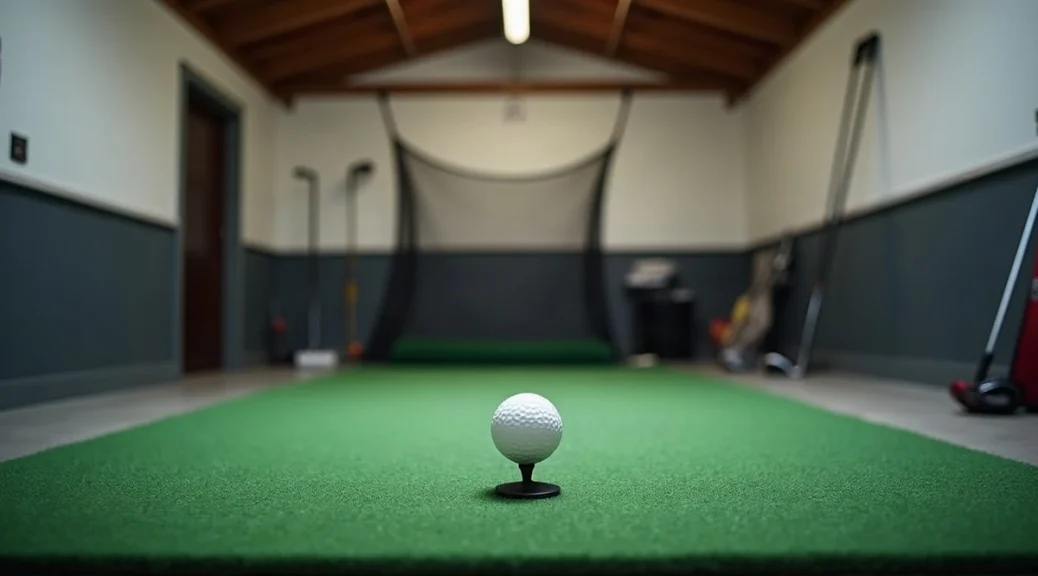
Garmin Approach R50 review: superb ball data and a 10-inch screen that runs the sim on its own, but club data and firmware bugs need weighing first.

How to put backspin on a golf ball: the strike fixes that matter, why clean grooves count, and the urethane balls that spin most in robot tests.

Srixon ZXi RKT driver review: elite ball speed, toe misses that stay on line and weights that move the ball 15 yards. The catch is the feel and the alignment ai
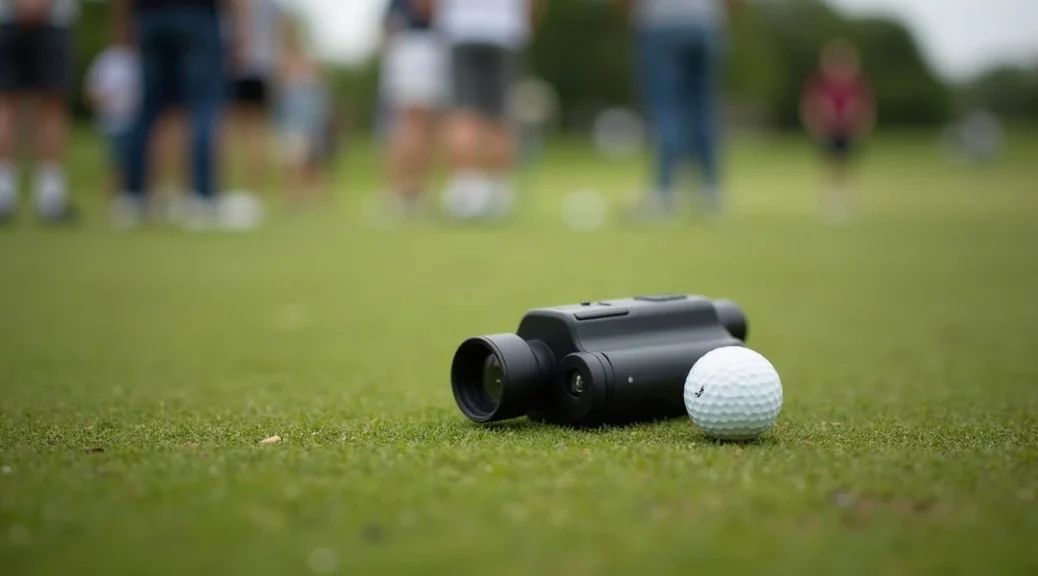
How to use a golf rangefinder properly: set it up, brace, sweep across the flag until it locks, check odd readings, and switch slope off for competition.
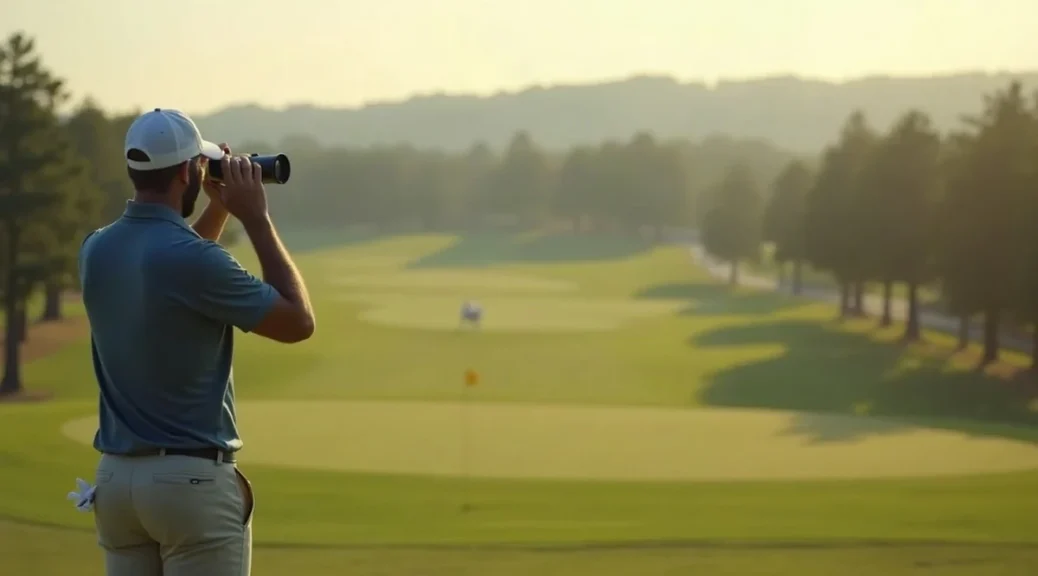
How golf rangefinders work in plain English: time of flight, flag lock, slope maths, and which features are worth paying for before you buy one.
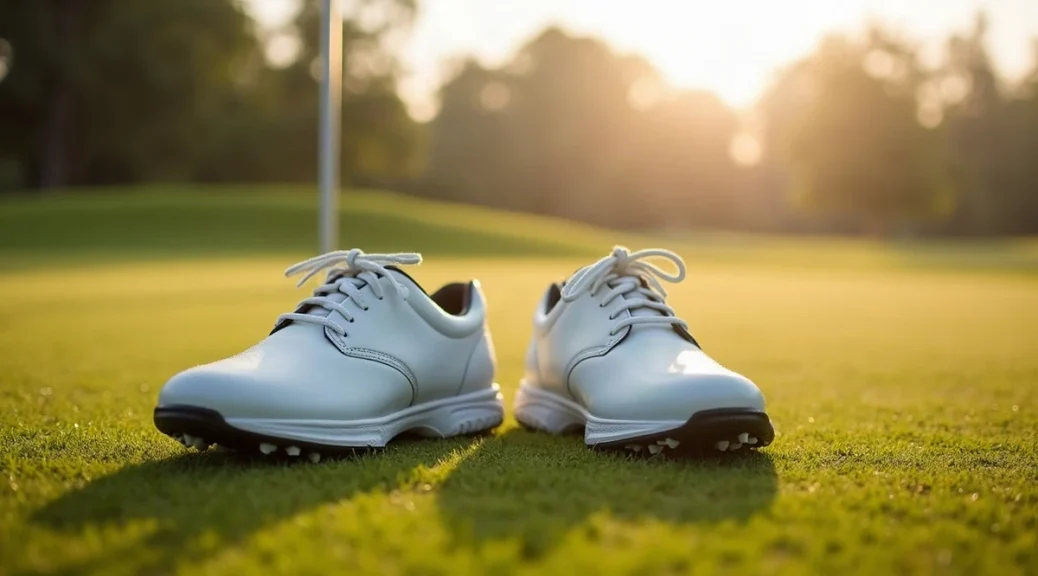
Scheffler wears the Nike Victory Pro 4, McIlroy the Victory Tour 4, and FootJoy rules the tour. What the pros’ choices mean for the shoes you should buy.
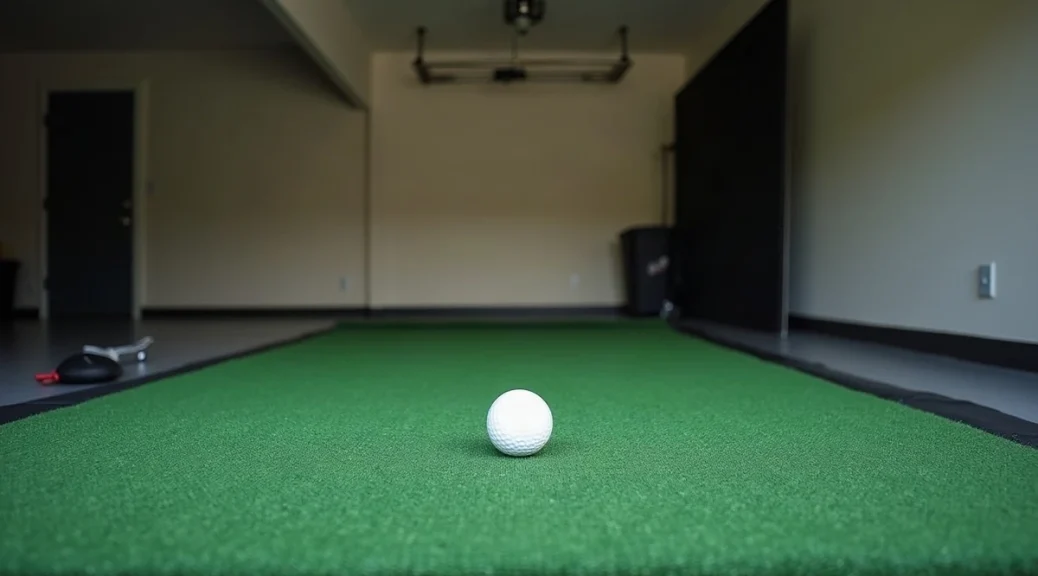
How a golf simulator works: radar or cameras read the strike and software does the rest. What each type needs in room depth, balls and subscriptions.
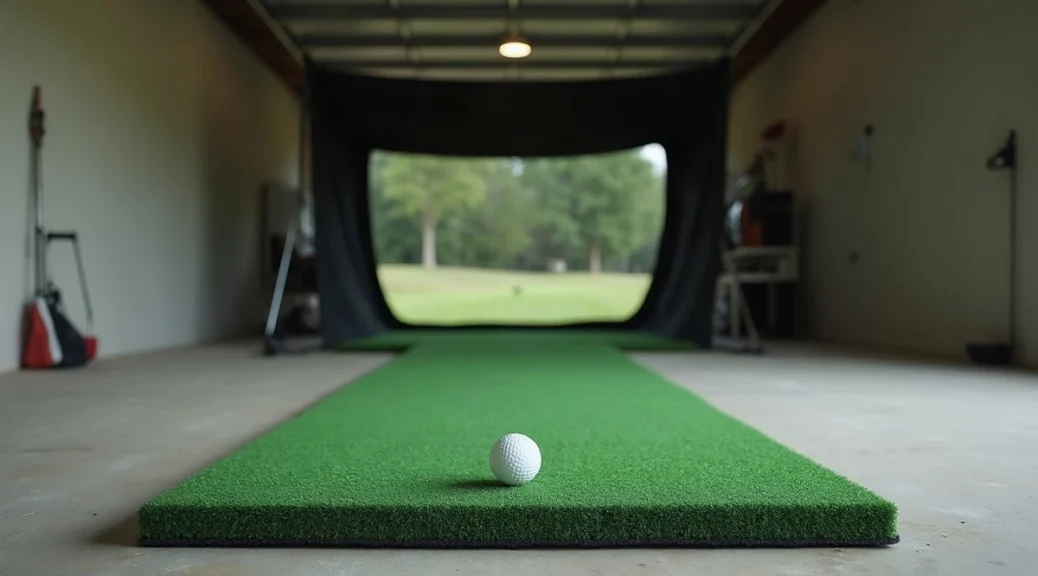
A golf simulator costs from under $2,000 to $30,000-plus. Here are four real budgets, the yearly software bills, and where your money should go first.