What golf balls should I use? A straight answer for 2026
Most mid handicappers should play a soft ionomer ball and earn urethane with their short game. Here is how to choose by speed, spin and lost balls.
Most mid handicappers should play a soft ionomer ball and earn urethane with their short game. Here is how to choose by speed, spin and lost balls.
The big number on a golf ball is just an ID tag. Here is what 1-4, 90 or 100, red vs black and three-digit numbers really mean, and what to buy instead.
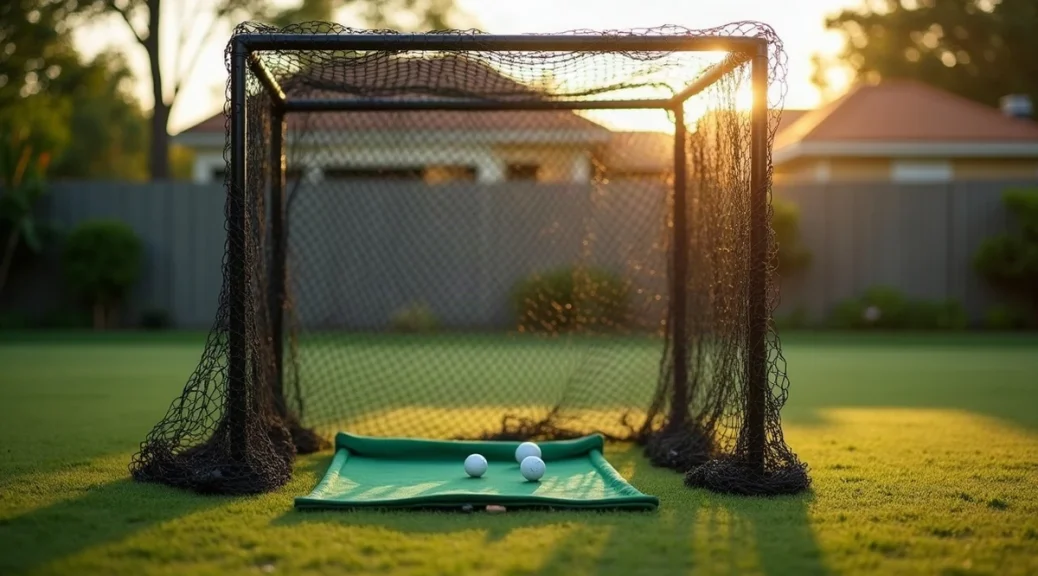
Build a DIY golf hitting net that lasts: the frame, the netting grade that survives, how to hang it, and when a pop-up net is the smarter buy.
Spikeless vs spiked golf shoes: spikeless wins for dry, flat summer golf; spikes win on wet grass, hills and fast swings. Here is how to choose your pair.
TP5 vs TP5x: the TP5 is the better ball for most 10 to 25 handicaps. Here is when the lower-spin TP5x wins, and which year to buy.
Garmin Approach R50 review: superb ball data and a 10-inch screen that runs the sim on its own, but club data and firmware bugs need weighing first.
How to put backspin on a golf ball: the strike fixes that matter, why clean grooves count, and the urethane balls that spin most in robot tests.
Srixon ZXi RKT driver review: elite ball speed, toe misses that stay on line and weights that move the ball 15 yards. The catch is the feel and the alignment ai
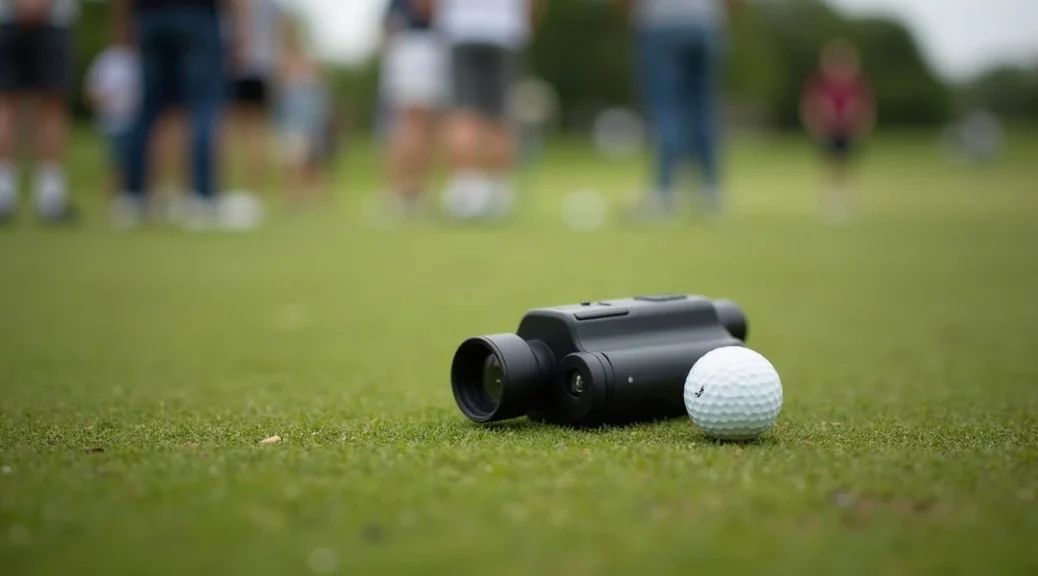
How to use a golf rangefinder properly: set it up, brace, sweep across the flag until it locks, check odd readings, and switch slope off for competition.

How golf rangefinders work in plain English: time of flight, flag lock, slope maths, and which features are worth paying for before you buy one.