How to Regrip Golf Clubs at Home: Complete DIY Guide (Save $100+)
If you’ve been playing golf for any length of time, you’ve probably noticed your grips getting slick, hard, or just plain worn out. I remember the first time I looked at regripping my clubs—I was quoted $8-12 per club at the pro shop. With 13 clubs in my bag, that’s over $100 just for labor!
New sets such as the Srixon ZXi irons ship with Golf Pride Tour Velvet 360 grips, a sensible benchmark when you choose replacements.
That’s when I decided to learn how to regrip golf clubs myself. After doing it dozens of times over the years, I can tell you: this is one of the easiest golf DIY projects you can tackle. Once you have the supplies and know the process, you can regrip an entire set in about an hour—and save serious money doing it.
Why Should You Regrip Your Golf Clubs?
Before we dive into the how-to, let’s talk about why regripping matters. Your grips are the only contact point between you and the club. Worn grips force you to squeeze harder, which creates tension in your hands, arms, and shoulders—tension that kills your swing.
Here’s what happens when grips wear out:
- Loss of traction – Especially in humid or wet conditions, worn grips become dangerously slippery
- Increased grip pressure – You squeeze harder to compensate, which tightens your swing
- Inconsistent shots – The club can twist in your hands at impact
- Less feel – Hardened rubber deadens the feedback from the clubface
Most manufacturers and teaching pros recommend regripping every 40 rounds or once a year—whichever comes first. If you play frequently or practice a lot, you might need to regrip twice a year.
DIY vs Pro Shop: The Cost Comparison
Let’s break down the real numbers:
Pro Shop Regripping (13 clubs):
- Grips: $5-15 each = $65-195
- Labor: $3-5 per club = $39-65
- Total: $104-260
DIY Regripping (13 clubs):
- Grips: $5-15 each = $65-195
- Grip tape (15-pack): $8-12
- Solvent: $10-15
- Rubber vise clamp: $6-10 (one-time purchase)
- Hook blade/utility knife: $5-10 (one-time purchase)
- First-time total: $94-242
- Future regrips: $73-207 (just grips + tape)
Even on your first DIY regrip, you’ll save money. But the real savings come on subsequent regrips when you already have the tools. You’ll save $40-65 in labor every single time.
Tools and Supplies You’ll Need
Here’s everything you need to regrip your golf clubs at home. I’ve linked to the exact products I use and recommend:
Essential Supplies
1. Rubber Vise Clamp
A rubber-lined vise clamp holds your club shaft securely without damaging it. This is non-negotiable—trying to regrip without one is frustrating and risky. The rubber padding protects your graphite or steel shafts while you work.

- PROTECTIVE:The golf vise clamp will help protect your golf shaft against marring and guard against breakage when repairing or regripping golf club in the bench vise.
- HOLDS FIRM :The side ribs on the rubber vise clamp increases friction in your vise with less pressure while the diamond channel locks your shaft in place, keeping your club shaft more firm and steady while you work.
- MULTIPLE USE:Made of high quality thick rubber for long time use,3 1/2" size,pefectly keep your golf clubs tight and prevent slipping.
- MULTIPLE USE:Suits for variety size of golf clubs,such as drivers, wedges, irons, putters,and more.
- SATISFACTION GUARANTEE: We’re pleased to be able to offer a 90-day 100% satisfaction guarantee with every purchase,no questions asked.
2. Complete Regripping Kit (Recommended for Beginners)
If you’re new to regripping, a complete kit is the way to go. You’ll get a vise clamp, hook blade, solvent, tape strips, and sometimes even sample grips—everything you need in one package at a better price than buying separately.

- DELUXE GOLF REGRIPPING KIT: Professional quality and contains everything you need to easily regrip up to 15 golf clubs from the comfort of your own home.
- RETRACTABLE HOOK BLADE: Made of High Strength Carbon Steel, Wedge Guys Golf Grip Remover has been tested to last well over 100 grips removed.
- GOLF GRIP TAPE STRIPS – The Wedge Guys Regripping Golf Club Kit includes 15 2” x 10” premium double sided adhesive golf club grip tape tape strips that are easy-to-peel and won’t bunch up during installation.
- GRIP SOLVENT – The high quality Grip Solvent included in the Wedge Guys Golf Club Grip Kit comes in a 5 oz bottle with squirt spout that works on all tape and has a citrus scent.
- RUBBER VISE CLAMP – Made of thick durable rubber, the included 3 ½” rubber vise clamp features shoulder grip wedges to prevent slippage while your club is in the vise and can be used for all your golf repair needs.
3. Golf Grip Solvent
Solvent activates the tape adhesive and allows you to slide the grip onto the shaft. Brampton HF-100 is the gold standard—non-toxic, non-flammable, and nearly odorless. Perfect for indoor use in your garage or basement.

- PROFESSIONAL QUALITY: HF-100 was developed by professional clubmakers and a chemical engineer to provide the ideal golf grip solvent for easy and safe golf club regripping
- SHAKE AND SPRAY: Save money waste less golf grip solvent by spraying HF-100 instead of pouring excess amounts of lower quality solvents.
- NON-TOXIC / NON-FLAMMABLE: HF-100 stands for HAZARD FREE and contains only the highest quality compounds to achieve effortless golf grip repair
- MADE IN THE USA: Brampton Technology manufactures HF-100 Golf Grip Solvent in the USA with strict quality control standards
- NO HARSH CITRUS CHEMICALS: Other golf grip solvents use cheap citrus scented chemicals that are less effective and can cause skin irritation and nausea.
4. Double-Sided Grip Tape
You’ll need one strip per club. Pre-cut 2″ x 10″ strips are the most convenient—they wrap perfectly around the shaft with the right overlap. Buy a 15-pack for a full set with a couple extras for mistakes.

- GRIP ENHANCEMENT: Brampton Golf Grip Tape Strips offer a superior grip enhancement for all types of golf clubs, improving your swing and precision.
- EASY APPLICATION: These double-sided adhesive strips are simple to apply, perfect for regripping your golf clubs at home, and work perfectly with HF-100 golf grip solvent.
- DURABLE QUALITY: Made from 6.0 mil crepe paper, these strips are durable, reliable, and proudly produced in the United States, ensuring top-notch quality.
- PROFESSIONAL GRADE: Used by professional golf repair shops worldwide, these strips are the ideal product for pro-grade golf club regripping at home.
- MULTI-PACK OPTIONS: Comes in 15-pack and 60-pack options, enough for a complete set of golf clubs, making it a great value addition to your golf gear.
5. New Grips
This is where you can really customize your setup. The Golf Pride MCC Plus4 is my top recommendation—the reduced taper in the lower hand promotes lighter grip pressure for better distance and accuracy. Tour-proven and available in multiple colors.
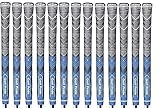
- BRAND NEW
- Blue
- Standard
- Set of 13 Multi Compound Cord Plus4 Grips
- .60 Round
6. Hook Blade or Utility Knife
A hook blade makes removing old grips much safer than a straight utility knife. Most regripping kits include one, or you can find them at any hardware store for a few dollars.
Optional But Helpful
- Grip tape remover tool – Makes scraping off old tape easier
- Bucket or tray – To catch excess solvent
- Paper towels or rags – You’ll need these for cleanup
- Alignment tool – For lining up grip logos (optional)
Step-by-Step Guide: How to Regrip Golf Clubs
Alright, let’s get into the actual process. Follow these steps and you’ll have fresh grips in no time.
Step 1: Set Up Your Workspace
Work in a well-ventilated area, even with non-toxic solvent. Lay down newspaper or a drop cloth to protect your work surface. Make sure you have all your supplies within reach.
Step 2: Secure the Club
Place your rubber vise clamp around the shaft just below where the grip ends. Tighten the vise enough to hold the club firmly, but don’t overtighten—you can damage graphite shafts. The club should be angled with the grip end slightly elevated.
Step 3: Remove the Old Grip
Using your hook blade, carefully cut through the old grip lengthwise. Start at the cap end and cut toward the shaft. Always cut away from your body. Once you’ve made the cut, peel the grip off. It should come off in one piece if you’ve cut deep enough.
Pro tip: If the grip is really stuck, squirt some solvent under the edge to help loosen the adhesive.
Step 4: Remove Old Tape
This is often the most tedious part. Peel and scrape off as much old tape as possible. If it’s stubborn, apply solvent and let it soak for a minute—this softens the adhesive. Get the shaft as clean as possible; lumps of old tape will create bumps under your new grip.
Step 5: Apply New Grip Tape
Peel the backing off one side of your grip tape and apply it to the shaft, starting about 1/4″ from the end. Extend the tape about 1/2″ past the end of the shaft—this creates a cap that prevents the grip from sliding off during installation.
Wrap the tape spirally down the shaft, overlapping slightly, until you’ve covered the entire grip area (usually 10-11 inches). Then twist the overhanging tape at the end to seal the shaft opening.
Remove the outer backing to expose the sticky surface.
Step 6: Activate with Solvent
Generously spray or pour solvent over the entire taped area. Make sure it’s thoroughly wet—don’t be shy with the solvent. Work quickly from this point on, as you only have about 30-60 seconds before the solvent starts to dry.
Also spray solvent inside the new grip. Cover the vent hole at the end of the grip with your finger, pour solvent in, then shake it around to coat the inside. Pour the excess back onto the tape.
Step 7: Slide on the New Grip
With everything wet, slide the grip onto the shaft in one smooth motion. Push firmly and steadily—don’t hesitate. The grip should slide on relatively easily if you’ve used enough solvent. Push until the grip is fully seated against the shaft end.
Step 8: Align the Grip
You have about 30 seconds to adjust the grip before the solvent dries. If your grip has a logo or alignment aid, make sure it’s positioned correctly (usually facing up when you address the ball). I like to actually hold the club in my normal grip position to check the alignment feels right.
Step 9: Let It Dry
Set the club aside with the grip end up and let it dry for at least 4-6 hours before using. Overnight is even better. Using the club too soon can cause the grip to twist.
Step 10: Repeat!
Work through your set one club at a time. With practice, you’ll get each club done in about 5 minutes.
Tips and Tricks for Perfect Regripping
After regripping dozens of sets, here are my best tips:
- More solvent is better – The #1 beginner mistake is not using enough solvent. The grip should glide on easily.
- Work fast – Once you activate the tape, you’re on the clock. Have everything ready before you start.
- Align immediately – Don’t wait to align the grip. Do it right after you push it on.
- Use air compressor trick – If you have an air compressor, you can blow air into the grip’s vent hole to make it slide on even easier.
- Build up layers for larger grips – Want oversized grips? Add extra wraps of tape under the standard tape.
- Check grip size – Grips come in undersize, standard, midsize, and oversized. Use the size that fits your hands.
Common Mistakes to Avoid
- Not removing all old tape – Bumps and ridges will be noticeable under the new grip
- Cutting toward yourself – Always cut away from your body with the hook blade
- Over-tightening the vise – This can crack graphite shafts
- Using grips before they dry – Wait at least 4-6 hours, preferably overnight
- Forgetting to seal the shaft end – That tape overhang at the end is important
- Working too slowly – The solvent evaporates fast; don’t take breaks mid-grip
My Grip Recommendations
The best grip is the one that feels right in your hands, but here are some popular options:
Golf Pride MCC Plus4 – My personal favorite. The Golf Pride MCC Plus4 has a cord upper for traction and a softer rubber lower. The “Plus4” means the lower hand area is built up, reducing grip pressure. These are used by tour pros worldwide.

Lamkin Crossline – The classic choice. These firm, cord-style grips have been around forever and provide excellent feedback. Great for players who like a traditional feel.
SuperStroke S-Tech – These softer grips are great for players who want vibration dampening and a cushioned feel. The no-taper design is popular with players who have grip pressure issues.
Golf Pride CP2 Wrap – If you like the feel of leather wraps, these modern rubber grips replicate that wrapped sensation with better durability.
When Should You Regrip?
Here are the signs it’s time for new grips:
- Shiny or slick spots – The texture should be consistent throughout
- Hard or crusty rubber – Old grips lose their tackiness
- Visible wear patterns – Especially in your thumb and palm areas
- Cracks or peeling – Time for new grips immediately
- You’re gripping harder – If you notice increased grip pressure, your grips are likely worn
- 40+ rounds since last regrip – Even if they look okay, performance degrades
Frequently Asked Questions
Can I use lighter fluid or mineral spirits instead of grip solvent?
You can, but I don’t recommend it. These are flammable and have strong fumes. Proper grip solvent like HF-100 is non-toxic, non-flammable, and designed for the job. It’s worth the extra few dollars.
Do I need a vise to regrip clubs?
A vise makes things much easier, but you can do it without one. Have someone hold the club steady, or brace the clubhead against something solid. Just be careful not to damage the club.
How long do golf grips last?
Most grips should be replaced every 40 rounds or once a year. If you practice frequently, you may need to regrip more often. Climate matters too—grips wear faster in hot, humid conditions.
Can I reuse old grips?
Technically yes, if you remove them carefully using an air compressor to separate them from the tape (rather than cutting). But honestly, grips are inexpensive enough that I’d recommend fresh ones.
What size grips do I need?
With a standard grip, your fingers should just barely touch your palm when gripping. If they dig in, go larger. If there’s a gap, go smaller. Most golfers use standard or midsize.
Can I regrip graphite shafts the same way?
Yes! The process is identical. Just be extra careful not to over-tighten the vise and avoid pressing too hard when removing old tape.
Final Thoughts
Learning how to regrip golf clubs is one of the best investments you can make as a golfer. You’ll save $40-65 in labor costs every time you regrip, you can do it on your own schedule, and you’ll gain a better understanding of your equipment.
The first time might take you 20-30 minutes per club as you get the hang of it. By your second or third regrip session, you’ll have it down to 5 minutes per club—and you’ll wonder why you ever paid someone else to do it.
Fresh grips make a real difference in your game. Now you have no excuse not to keep yours in top condition!
Got questions about regripping? Drop a comment below and I’ll help you out!