
Titleist GT3 Driver Review: Low Spin, Workability, and Who It’s Really For
First Impressions: Titleist GT3 Driver at Address
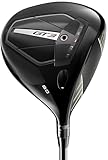
So you’re standing on the range, and someone hands you the Titleist GT3 driver. First thing you notice? That compact, pear-shaped head just sitting there behind the ball like it means business. This isn’t one of those 460cc bread-loaf drivers trying to be everything to everyone. The GT3 driver knows exactly what it is — a tour-level low-spin driver for players who actually work the ball.
Titleist replaced the TSR3 with this one, and if you’re wondering whether it’s actually better or just a fresh paint job, I’ll save you the suspense: it’s genuinely better. The GT3 driver picks up where the TSR3 left off and adds more forgiveness without watering down what made that club special in the first place. The Thermoform Crown and Split Mass Construction aren’t just buzzwords — they translate to real performance improvements you can feel from the first swing.
I’ve spent serious time with the Titleist GT3 driver — range sessions, simulator testing, and rounds on the course. This review isn’t based on ten swings on a launch monitor. It’s based on living with the club and seeing how it performs across different conditions, different swing states, and different moods. Because that’s how you really evaluate a driver — not in a vacuum, but in the messy reality of an actual round of golf.
If you’ve been shopping Titleist drivers or comparing low-spin options, this Titleist GT3 driver review is going to break down everything — distance, spin, feel, shaft options, and whether it deserves a spot in your bag.
Performance: Distance, Forgiveness, and Spin
Distance
Let’s talk numbers first. The Titleist GT3 driver is fast. Titleist’s own robot testing showed the GT3 producing higher ball speeds than both the TSR3 and TSi3 — a noticeable concentration of shots in the 137-143 mph range. That’s not marketing fluff. That’s real speed gains from the new construction.
The Thermoform Crown and Split Mass Construction free up weight that Titleist moved around strategically — some forward, some back — to give you both speed and stability. On centered strikes, the GT3 driver launches mid-to-high with low spin, which is exactly the recipe for long, rolling drives. I was seeing carry distances that matched or beat what I get with drivers that are supposed to be “longer” by design. The ball just flies off the face — that dense, authoritative feel tells you everything you need to know before you even look at the numbers.
For context, Titleist’s robot testing showed the GT3 driver producing a higher concentration of shots in the 137-143 mph ball speed range compared to both the TSR3 and TSi3. That’s not a marginal gain — that’s a clear step forward in the speed department. And in a low-spin driver where every mph of ball speed matters because you’re not relying on spin to keep the ball in the air, that speed is critical.
But here’s the honest truth: if you catch it on the toe or heel, you will lose yards. The GT3 driver is more forgiving than the TSR3 — noticeably so — but it’s still not a game-improvement club. Mishits drop off faster than they would in, say, a Ping G440 Max. That’s the trade-off for workability and low spin. You have to accept that the GT3 driver rewards good swings and penalizes mediocre ones — it’s built that way on purpose.
Forgiveness
This is where the GT3 driver surprised me the most. Coming from the TSR3, which had a reputation for punishing off-center strikes, the GT3 driver gives you more margin for error. Titleist isn’t shouting about it from the rooftops, but fitters are quietly telling everyone that most players don’t even need the GT2 anymore because the GT3 is forgiving enough.
Let me be real: if you’re a 15-handicap spraying drives all over the property, this isn’t your club. But if you’re a low-to-mid single-digit handicap who hits the center of the face most of the time, the GT3 driver gives you enough forgiveness to keep the bad ones in play. It’s not going to rescue a terrible swing, but it won’t absolutely murder you for being a groove off. That’s the real improvement over the TSR3 — Titleist found a way to add that forgiveness without turning the GT3 driver into a blobby, game-improvement head. It’s still compact. It still looks like a player’s club. But it’s more livable on your B and C swings.
Spin
The GT3 driver sits right in that sweet spot: mid-launch, low-to-mid spin. It’s not a spin-killer like the GT4 — it still wants you to have some carry distance. But if you’re fighting a hook or just want a penetrating ball flight that rolls out, the GT3 driver delivers.
The CG Track is where the magic happens. Moving the weight forward reduces spin and tightens dispersion. Moving it back adds launch and a touch of forgiveness. In the GT3 driver, the CG Track has a bigger impact on ball flight than in previous generations. It’s not just for fine-tuning anymore — you can genuinely change your shot shape with this thing. In my testing, moving the weight from the back position to the front position changed my spin by roughly 300-400 RPM and noticeably tightened my dispersion. That’s a real, functional adjustment, not just a marketing talking point.
What makes the GT3 driver’s spin profile special is that it gives you low spin without going extreme. You still get enough spin to keep the ball in the air and carry trouble. The spin isn’t so low that you’re hitting worm-burners on mishits — there’s a floor there that keeps the ball playable. For a tour driver, that’s a huge advantage because it means you can actually use this thing on a real golf course instead of just on a simulator where conditions are perfect.
For players with higher swing speeds, pair this with the right ball and watch the combination work. Check out our guide to the best golf balls for swing speeds over 100 mph to maximize what the GT3 driver can do off the tee. The right ball makes an enormous difference with a low-spin driver like this — you want something that complements the spin profile rather than fighting it.
Looks & Feel at Address
I’ll say it plain: the Titleist GT3 driver might be the best-looking driver on the market right now. The compact 440cc head sits behind the ball with that slight pear shape that better players have always gravitated toward. The toe-biased look just screams “I know what I’m doing.” This is the kind of driver that gives you confidence before you even take the club back.
The gloss black crown is clean — really clean. There’s a subtle “GT” alignment aid that’s there when you need it and invisible when you don’t. One detail that tour players specifically asked for: no visible seams from address. Titleist actually engineered the Thermoform Crown to keep the top line spotless, and it shows. When you sole the GT3 driver behind the ball, there’s nothing distracting you — just clean lines and that beautiful pear shape framing the ball perfectly.
Flip it over and the sole is predominantly gloss black with a clean slash of silver bearing the “GT3” branding. Titleist stays classy here — no neon colors, no wild graphics. The adjustable hosel and CG Track blend in so well that if you aren’t a gear nerd, you’d barely notice them. That’s exactly how a tour driver should look. The weight track runs along the front of the sole, and it’s so well-integrated that it doesn’t disrupt the clean lines at all.
The SureFit Hosel gives you 16 settings — loft and lie adjustments that range from a degree flat to a degree upright, with loft options from 7.5 to 11.5 degrees across the available heads. It’s the same system Titleist has used for generations, and it works. Combined with the CG Track, you’ve got an extraordinary range of adjustability in the GT3 driver.
At address, the GT3 driver gives you confidence without being obnoxious about it. It’s not trying to look like a spaceship. It’s a proper golf club for proper golfers. The shape frames the ball beautifully — slightly open, slightly pear-shaped, and absolutely dialed. If you’ve always liked the way Titleist drivers look at address, the GT3 driver takes that aesthetic and refines it further.
Sound & Feedback
Sound matters more than most people think, and the Titleist GT3 driver gets this exactly right. Compared to the TSR3, which had a slightly hollow note, the GT3 driver produces a dense, muted crack at impact. It’s quiet without being dead-sounding — there’s still satisfying audio feedback, but it’s dialed way down from the tinny pop of some competitors.
On center strikes, the GT3 driver feels absolutely solid. That’s the word I keep coming back to: solid. The ball comes off the face with a feeling of authority that makes you want to hit another one immediately. There’s a density to the feel that’s hard to describe but instantly recognizable when you experience it. You don’t get that “trampoline” sensation — instead, you get the feeling that the ball is loading into the face and then launching with purpose.
Off-center hits tell you what happened through your hands more than your ears. The feedback is excellent — you know exactly where you caught it without the club screaming at you. That’s important for a low-spin driver because you need to know when you’ve mishit it so you can make adjustments. The GT3 driver communicates clearly without being punitive, and that’s a hard balance to strike.
Compared to the TaylorMade Qi4d, the GT3 driver is noticeably quieter. If you like hearing your drives from three fairways over, this isn’t your club. But if you prefer a more traditional, controlled sound profile, the GT3 driver hits the sweet spot. The sound is part of the feedback loop — you hear where you hit it, you feel where you hit it, and your brain processes both almost instantly. Titleist clearly put thought into the acoustics, and the GT3 driver is better for it.
One thing I want to highlight: the sound consistency across the face. Even on slight mishits, the GT3 driver doesn’t produce that jarring, harsh vibration you get from some tour drivers. It stays composed. The feedback is there, but it’s not punishing. That matters more than people think — a driver that sounds awful on off-center hits can creep into your head and make you swing tentatively. The GT3 driver avoids that trap entirely.
Shaft Options & Fitting
The Titleist GT3 driver comes with some of the best stock shaft options in the business, and this is where getting fit really matters. Available shafts include:
- Tensei 1K Blue — Mid-launch, mid-spin. Great all-rounder for moderate swing speeds.
- Tensei 1K Black — Lower-launch, lower-spin. For players who want to keep the ball down.
- Project X HZRDUS Smoke RDX Blue — A stable mid-launch option that’s been a favorite in fitting carts for years.
- Graphite Design Tour AD series — Premium tour-level shafts for players who want the best feel and performance.
Listen, if there’s one thing I can’t stress enough in this Titleist GT3 driver review, it’s this: get fit. The SureFit Hosel gives you 16 settings, and combined with the CG Track, you can dramatically change the way this club performs. I’ve seen fitters start every session with the GT3 because the adjustability is so broad that it can fit a surprisingly wide range of players. This is a major point — some fitters have told me that they start every fitting with the GT3 driver because it gives them the most adjustability to work with from the jump.
The shaft you pick matters enormously with an adjustable driver. A mid-launch shaft with the weight back on the CG Track gives you a completely different ball flight than a low-launch shaft with the weight forward. Two different golfers could play the exact same GT3 driver head with completely different setups and get completely different results. That’s the beauty of this club — and also why buying it off the rack without a fitting is doing yourself a disservice.

- Titleist GT3 (2024)
- A breakthrough in internal weighting unlocks longer drives and enhanced directional control in GT3. The Adjustable CG Track now sits closer to the face for more dynamic CG control, while additional discretionary mass is pushed to the back of the club to maintain optimal stability through impact.
- Two technologies come together to create GT's amazingly fast face. An upgraded titanium Speed Ring stabilizes the perimeter to produce maximum allowable speed in the center, while a variable face thickness preserves consistently fast ball speeds across the rest of the face.
- GT3 features a new raised tail contour that represents a dramatic shift in driver aerodynamics. Previously impossible to execute due to design constraints, this advanced shaping results in a driver that swings faster while still providing optimal CG control.
- The Adjustable CG Track in GT3 is now positioned closer to the face. This magnifies the impact of each track weight position, giving you even more ability to maximize every MPH while encouraging your ideal shot shape.
But that adjustability is a double-edged sword. The GT3 driver has enough range to be fit into wildly different setups, which means a stock off-the-rack configuration might not be anywhere close to what you need. Spend the time on a launch monitor. Find the right loft, lie, and CG position. The GT3 driver rewards proper fitting more than almost any driver I’ve tested. Don’t cheap out on the fitting after spending $649 on the head.
Who Should Play the Titleist GT3 Driver?
Let me be direct about this because I’ve seen too many golfers buy the wrong driver and then blame the club. The Titleist GT3 driver is built for low-to-mid single-digit handicappers who consistently find the center of the face. Here’s the breakdown:
Low handicappers (0-5): This is your club. The GT3 driver gives you workability, low spin, and enough forgiveness to keep the slightly-off swings playable. You can shape shots both ways, flight the ball up and down, and the adjustability means you can dial it in to your exact preference. If you’re already playing a Titleist driver or a tour-level driver, the GT3 is a legitimate upgrade. I’ve seen plus-handicap golfers switch from the TSR3 to the GT3 driver and never look back — the forgiveness improvement alone is worth the switch.
Mid handicappers (6-12): It depends. If driving is the strength of your game and you consistently hit the sweet spot, the GT3 driver could work. But be honest with yourself. If you’re losing drives right and hitting toe slices more often than you’d like to admit, look at the GT2 or a game-improvement driver instead. The GT3 driver is an adjustable driver, but no amount of adjustment is going to compensate for an inconsistent swing. You need to be finding the center of the face at least 7 out of 10 times to get the most out of this club.
High handicappers (13+): Do not pass go. The GT3 driver will make your life harder. The compact head, low spin, and minimal forgiveness on mishits mean you’ll lose distance and accuracy compared to something more forgiving. Check out our guide to the best golf drivers for high handicappers instead — you’ll be much happier. A forgiving driver will add more yards and find more fairways for your swing than the GT3 driver ever could. This isn’t about skill — it’s about matching the tool to the player.
Who Should Look Elsewhere
Not every driver is for every golfer, and that’s perfectly fine. Here’s when you should skip the Titleist GT3 driver and consider alternatives:
You fight a slice: The GT3 driver’s compact head and low-spin nature will make a slice worse, not better. A more forgiving, draw-biased option like the Ping G440 Max will serve you much better. The G440 Max is designed to help you find fairways — the GT3 driver assumes you already can.
You want maximum forgiveness: If you’re not consistently hitting the center of the face, the GT3 driver’s smaller sweet spot means you’ll lose more distance on mishits than you would with a larger, more forgiving head. The GT2 is right there in the same family and gives you more help.
You’re on a budget: At $649, the GT3 driver is a premium investment. If you’re a high handicapper, spending that much on a tour driver is throwing money at a problem the GT3 won’t solve. You can find better value in game-improvement drivers that actually match your swing.
You need high launch and spin: The GT3 driver is designed for low-to-mid spin. If your natural ball flight is low and running, you might need something with more spin to keep the ball in the air long enough to carry trouble. The GT2 or a high-launch driver would be a better fit.
Alternatives & Comparisons
If you’re shopping the GT3 driver against other tour-level options, here’s how the landscape shakes out:
Titleist GT3 vs. Titleist GT2
The GT2 is the max-forgiveness model in the GT lineup. Same family, different purpose. The GT2 has a larger 460cc head, more perimeter weighting, and higher MOI. It’s longer on mishits and more forgiving on off-center strikes. But the GT3 driver gives you better workability, a more compact look at address, and more adjustability through the CG Track. If you’re between these two and you’re a consistent ball-striker, go GT3. If you need more help, go GT2. Honestly, the gap between them is smaller than you might think — the GT3 driver has closed the forgiveness gap enough that some fitters are starting most players with the GT3 and only moving to the GT2 if they really need the extra help.
Titleist GT3 vs. TaylorMade Qi35
The TaylorMade Qi35 is the direct competitor in the low-spin tour driver space. The Qi35 offers slightly more forgiveness and a different feel profile — louder impact, more “pop.” The GT3 driver is quieter, more traditional, and gives you more shot-shaping control. If you like to work the ball, the GT3 is the better call. If you want a more forgiving, higher-launching option in the same class, the Qi35 is worth a look. Both are excellent clubs — it really comes down to feel preference and whether you prioritize workability or raw forgiveness. For my money, the GT3 driver edges it on adjustability and the overall package.
Titleist GT3 vs. Callaway Paradym Ai Smoke
The Callaway Paradym Ai Smoke is a different animal. It uses AI-designed face technology to optimize across more impact locations, which means it’s more forgiving across the face. The GT3 driver trades that forgiveness for feel and workability. If you want maximum ball speed on mishits, Ai Smoke. If you want a traditional tour feel with shot-shaping capability, GT3 driver. The Ai Smoke also has a different sound profile — louder, more explosive. The GT3 driver’s muted crack is more traditional and some players prefer that feedback. It’s really a matter of priorities: pure forgiveness or pure shot-making.
Titleist GT3 vs. Ping G440
The Ping G440 lineup offers several models, with the G440 Max being the most forgiving. The GT3 driver sits in a different category — it’s for players who want control over pure forgiveness. The G440 LST is the closest comparison, and it’s an excellent driver in its own right. The GT3 driver wins on adjustability and feel, while the G440 LST might edge it out slightly on pure forgiveness. Both are legitimate options in the tour driver space.
Titleist GT3 vs. Titleist TSR3
If you can still find a TSR3 at a discount, you might be tempted. Don’t be — the GT3 driver is a genuine upgrade. More forgiveness, better sound, improved CG Track adjustability, and the new Thermoform Crown construction that frees up weight for the Split Mass design. The TSR3 was great; the GT3 driver is better in every measurable way. Check out the full specs on Titleist.com if you want to see the details side by side. The only reason to go TSR3 is if you find one for under $350 and you’re on a strict budget.
Final Verdict
The Titleist GT3 driver is the real deal. It’s the best tour-level driver Titleist has made in years, and that’s saying something given how good the TSR3 was. The improvements aren’t marginal — they’re tangible. More forgiveness. Better sound and feel. A CG Track that actually moves the needle on ball flight. And all of it wrapped in what might be the best-looking driver head on the market.
But I need to be clear about who this club is for. The GT3 driver is not a game-improvement club. It’s not trying to be. It’s a low-spin driver, a tour-level driver for players who hit the center of the face consistently and want shot-shaping capability with their adjustable driver. If that’s you, the GT3 driver is absolutely worth the $649 price tag. It’s an investment in precision, and when you catch one on the screws, you’ll understand exactly why so many tour players have put this thing in play.
If you’re a higher handicapper or someone who struggles with consistency off the tee, save your money. The GT3 driver won’t rescue bad swings — it’ll expose them. And that’s not a flaw, that’s by design. Titleist made the GT2 for exactly that reason. Know your game. Be honest about where you are. The right driver for your swing will always beat the driver that looks coolest in the shop.
For low-to-mid single-digit handicappers who want a low-spin driver with workability, feel, and adjustability, the Titleist GT3 driver is one of the best options on the market. Period. Get fit, find the right shaft and hosel setting, and this thing will pay for itself in fairways hit and pins attacked. It’s the kind of driver that makes you look forward to tee shots — and in this game, that’s worth every penny.
You Might Also Enjoy
- Best Golf Drivers for Low Handicappers 2026 — Our full guide to tour-level drivers for better players
- Best Golf Drivers for High Handicappers 2026 — If the GT3 isn’t for you, start here
- Ping G440 Max Driver Review — A forgiving alternative worth considering
- TaylorMade Qi4d Driver Review — How the competition stacks up
- Best Golf Balls for Swing Speeds Over 100 MPH — Pair the right ball with your GT3 for maximum distance