
How to Play Golf in the Rain (Gear & Strategy Tips)
A few dark clouds roll in, raindrops start falling, and suddenly half your foursome is heading for the clubhouse. But here’s what many golfers don’t realize: some of the best rounds you’ll ever play can happen in the rain. While fair-weather golfers retreat, those who know how to adapt their gear and strategy can conquer wet conditions and might even find empty fairways waiting for them.
Playing golf in the rain isn’t just about toughing it out—it’s about being prepared, making smart adjustments, and knowing when the conditions truly become dangerous. In this complete guide, we’ll cover everything you need to know about playing golf in wet weather, from essential gear to swing modifications and course management strategies.

Essential Rain Gear for Golfers
Before you even think about playing in the rain, you need to be properly equipped. The right gear is the difference between a miserable round and an enjoyable challenge. Here’s what every golfer should have in their bag for wet conditions:
Golf Umbrella
Not just any umbrella will do. A proper golf umbrella is extra-large (typically 62-68 inches in diameter), providing enough coverage for you and your bag. Look for one with a double canopy design that allows wind to pass through without inverting, and consider a UV-resistant model that doubles as sun protection on bright days. Quality golf umbrellas are built to withstand gusty conditions that would destroy a standard umbrella.
Waterproof Rain Suit
A good waterproof rain suit is perhaps the most important investment for the dedicated golfer. Look for suits that offer:
- Breathable material – Gore-Tex or similar technology prevents you from getting soaked in your own sweat
- Full range of motion – The best rain suits are designed specifically for golf and won’t restrict your swing
- Adjustable cuffs and hems – Keep water from creeping in at your wrists and ankles
- Sealed seams – Prevents water penetration at stitching points
Top brands like Galvin Green, FootJoy, and Under Armour offer golf-specific rain suits that won’t break the bank but will last for years.
Towels – Bring Several
One towel won’t cut it in the rain. Bring at least two or three microfiber towels: one to keep under your umbrella (this stays dry and is used for drying grips and hands before each shot), one for wiping club faces after shots, and a spare for general use. Some golfers even bring a small hand towel in a plastic bag to keep it completely dry for critical moments.
Waterproof Golf Shoes
Wet feet make for a miserable round and can compromise your footing. Modern waterproof golf shoes use advanced membrane technology to keep water out while remaining breathable. Spiked shoes provide better traction on wet turf than spikeless models, making them the preferred choice for rainy conditions. Make sure your waterproofing is up to date—most warranties cover waterproofing for 1-2 years.
Rain Gloves
Standard leather golf gloves become slippery and useless when wet. Rain gloves are designed to provide better grip as they get wetter, using special synthetic materials that increase traction in wet conditions. Many golfers keep a pair specifically for rainy rounds. FootJoy RainGrip and Callaway Rain Spann are popular options that won’t cost you more than $20.
Protecting Your Equipment in Wet Conditions

Your golf equipment represents a significant investment, and water damage can be costly. Here’s how to keep everything safe during a rainy round:
Use a Rain Hood or Waterproof Bag Cover
Most quality golf bags come with a rain hood that fits over the top to protect club heads and grips. If yours didn’t come with one, they’re inexpensive to buy separately. For cart bag users, consider a full waterproof cover that protects the entire bag. Stand bag users should position their bag under the cart canopy or use their umbrella to shield it when possible.
Protect Your Grips
Grips are the most important part of your club to keep dry. Wet grips lead to loose holds, which lead to mishits and lost clubs. Always dry your grips before placing clubs back in the bag, and consider keeping your most-used clubs (driver, favorite iron, putter) wrapped in a dry towel between shots.
Keep Your Scorecard Dry
A soggy scorecard is impossible to write on and can disintegrate mid-round. Use a scorecard holder or keep it in a ziplock bag. Better yet, use a golf GPS watch or phone app to track your score electronically in wet conditions.
Grip Adjustments for Wet Conditions

Maintaining a solid grip in the rain requires some adjustments to your normal routine:
Dry Everything Before Every Shot
This is non-negotiable. Before each shot, use your dry towel to wipe down the club grip, the glove (or your bare hand), and the club face. This takes just seconds but makes an enormous difference. Develop a pre-shot routine that includes drying as the first step.
Grip Pressure in the Rain
Many golfers instinctively grip harder in wet conditions, but this is a mistake. Increased grip pressure creates tension in your forearms and restricts your swing. Instead, maintain your normal grip pressure but focus on a more secure hold position. Interlocking or overlapping grip styles tend to provide better security than the ten-finger grip in wet conditions.
Consider Cord Grips
If you frequently play in wet conditions, cord grips or half-cord grips offer excellent wet-weather performance. The textured surface of cord grips provides superior traction even when moisture is present. They’re not as comfortable as pure rubber grips in dry conditions, but they’re invaluable when the rain starts falling.
Swing Adjustments for Rainy Golf
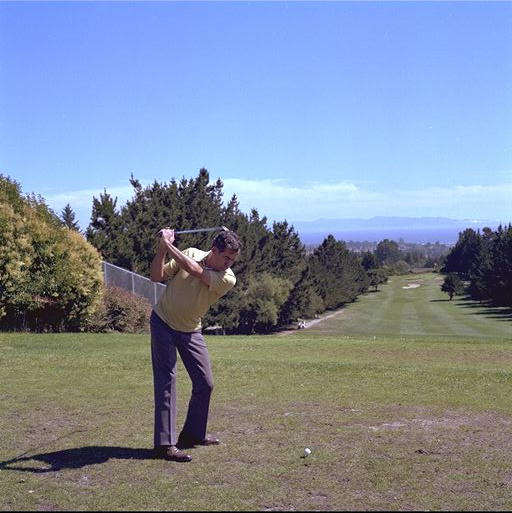
Wet conditions demand modifications to your normal swing. Here’s how to adjust:
Swing at 75-80% Power
The most important adjustment is to take something off your swing. A three-quarter swing with solid contact will outperform a full swing that slips or mishits. The reduced power also helps compensate for the loss of distance you’ll experience due to wet ball and club face contact. Club up one or two clubs to account for the distance loss.
Widen Your Stance
Wet turf is slippery turf. Widen your stance slightly to create a more stable base. This helps prevent your feet from sliding during the swing, especially on approach shots where you’re putting more force into the ground.
Focus on Clean Contact
Fat shots are punished severely in wet conditions because water and mud get between the club face and ball, reducing spin and control. Make a conscious effort to strike the ball first, even if it means taking slightly less turf. Picking the ball cleaner off the turf is preferable to hitting behind it in the rain.
Keep Your Lower Body Quiet
Less lower body rotation means less chance of slipping. While this might cost you some distance, the trade-off in stability is worth it. Focus on an upper-body-dominated swing with minimal lateral movement.
How the Course Plays Differently in Rain

Understanding how wet conditions affect course play is essential for shooting good scores in the rain:
Reduced Roll on Drives
Forget about your summer distances. Wet fairways eliminate roll almost entirely, meaning your drives will stop where they land rather than bounding forward another 20-40 yards. Plan for this by teeing off with more carry distance in mind and accepting that your total driving distance will be shorter.
Approach Shots Land Soft
The silver lining of wet greens is that approach shots will hold better. You can fire more aggressively at pins knowing the ball won’t bounce and roll off the back. However, you need to carry the ball all the way to your target—no more running the ball onto the green with a bump-and-run approach.
Slower Green Speeds
Wet greens putt slower, often significantly slower. Putts that would have been too aggressive on a dry day suddenly come up short. Hit your putts more firmly and play for less break, as the moisture reduces the effect of slopes. Some golfers find this actually helps their putting—they can be more aggressive without worrying about running putts well past the hole.
Bunkers Become Easier
Wet sand is firmer and more predictable than fluffy dry sand. Your sand wedge won’t dig as deep, making it easier to control splash shots. Take less sand than usual and expect the ball to come out with less spin. Many golfers actually prefer wet bunkers to dry ones!
Rough is More Penal
Conversely, wet rough is nastier than dry rough. The grass wraps around the club face and ball more aggressively, killing distance and making clean contact nearly impossible. Stay in the fairway at all costs when playing in the rain.
Mental Approach to Rainy Golf
Your mindset in wet conditions is just as important as your gear and technique. Here’s how to stay mentally sharp:
Accept the Conditions
The biggest mental mistake is fighting the conditions instead of accepting them. You’re going to get wet. Your score might be higher than normal. Everyone in the field is dealing with the same challenges. Once you accept this reality, you can focus on playing your best rain golf rather than wishing conditions were different.
Slow Down Your Routine
Rushing leads to mistakes, especially in challenging conditions. Take extra time to dry your equipment, assess your shots, and commit to your decisions. A deliberate pace helps you stay calm and focused when conditions are working against you.
Stay Patient with Poor Shots
Bad shots happen more frequently in the rain, even to the best players. Don’t compound a poor shot with a frustrated follow-up. Reset mentally after each shot and approach the next one with fresh focus.
Play Conservative Strategy
Rain rounds are not the time for hero shots. Aim for the fat part of greens, take safer lines off tees, and accept bogeys when needed. Course management becomes even more important when conditions increase the chance of mistakes.
When to Call It Quits: Lightning Safety
Here’s where we get serious: no round of golf is worth your life. Lightning is the one condition that should immediately end your round, no questions asked.
The 30-30 Rule
If you can count 30 seconds or fewer between a lightning flash and thunder, seek shelter immediately. Wait at least 30 minutes after the last thunder before resuming play. Many courses have horns or sirens to signal when conditions become dangerous—always obey these warnings.
Safe Shelters
Not all shelters are created equal during lightning storms:
- Safe: Fully enclosed buildings with plumbing and electrical wiring (clubhouse, restrooms)
- Safe: Fully enclosed metal vehicles (golf carts are NOT safe)
- NOT Safe: Open-air shelters, rain shelters on the course, trees, golf carts
Other Dangerous Conditions
Beyond lightning, consider ending your round if:
- Visibility drops to the point you can’t see where your ball lands
- Wind becomes strong enough to knock you off balance
- Standing water accumulates on the course (casual water rules apply, but excessive flooding makes play impossible)
- Temperature drops significantly, increasing hypothermia risk
Frequently Asked Questions
Can you play golf in light rain?
Absolutely! Light rain is perfectly playable with proper gear. Many golfers find courses less crowded during light showers, making for a more enjoyable pace of play. Just ensure you have waterproof gear and take the necessary precautions for grip and equipment protection.
How much distance do you lose in the rain?
Expect to lose 10-20% of your normal distance depending on conditions. Water on the ball and club face reduces spin, and wet fairways eliminate roll. Most golfers should club up by one to two clubs on approach shots to compensate.
Will rain damage my golf clubs?
Modern golf clubs are designed to withstand moisture, but prolonged exposure to water can cause problems. Dry your clubs after each rainy round, paying special attention to ferrules and grip ends. Store clubs in a dry location and allow them to air out before closing your bag.
Do golf courses close for rain?
Most golf courses remain open during light to moderate rain unless lightning is present or course conditions become unsafe (severe flooding, high winds). Cart paths may become mandatory to protect wet fairways. Call ahead if you’re unsure about playing conditions.
What’s the best golf ball for wet conditions?
Any quality tour-level ball performs well in wet conditions. The key is using a ball with sufficient spin for your game—wet conditions already reduce spin, so you don’t want a low-spin ball compounding the effect. Titleist Pro V1, Callaway Chrome Soft, and TaylorMade TP5 are all excellent choices.
Should I use a different putter grip in rain?
Some golfers switch to oversized putter grips or grips with a tacky surface for wet conditions. SuperStroke and Golf Pride make excellent options that maintain feel even when damp. However, many golfers simply keep their putter grip dry with a towel and use their normal setup.
Final Thoughts
Playing golf in the rain separates the dedicated golfers from the casual weekend hackers. With the right gear, proper preparation, and smart adjustments to your technique and strategy, you can not only survive a rainy round but actually enjoy it. Some of the most memorable golf experiences come from conquering challenging conditions.
Remember: invest in quality rain gear, keep everything dry with multiple towels, swing smoothly at reduced power, and accept that the course will play differently. Most importantly, know when conditions become dangerous and don’t hesitate to seek shelter when lightning threatens.
Next time the forecast shows showers, don’t automatically cancel your tee time. Grab your rain suit, pack extra towels, and embrace the challenge. You might just find that playing golf in the rain becomes one of your favorite ways to enjoy the game.