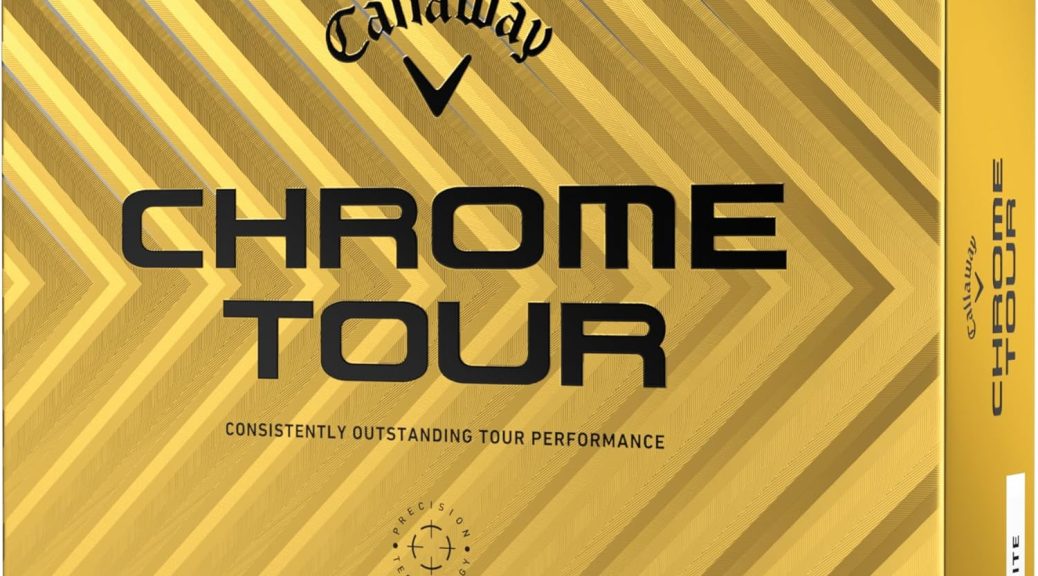
Callaway Chrome Tour Golf Balls Review – Premium Performance Delivered
Callaway’s Chrome Tour golf balls represent their direct challenge to Titleist’s Pro V1 dominance. With tour-proven technology and competitive pricing, these balls have earned spots in professional bags worldwide. I’ve spent several rounds putting them through their paces—driver testing on a launch monitor, wedge work on the short game area, and plenty of pressure putts on slick greens—so here’s our complete breakdown of whether they deserve a spot in your bag.

- Consistently outstanding tour performance.
- New Hyper Fast Soft Core produces exceptionally fast ball speeds for longer distance.
- New Seamless Tour Aero delivers a consistent ball flight on every shot.
- New High-Performance Tour Urethane Soft Cover consistently delivers greenside control with incredible feel.


The Tour Challenger
For years, Titleist had the premium ball market locked up tighter than a rain cover on a Thursday morning. Callaway’s Chrome Tour changes that equation in a real way—not just on paper, but out on the course where it actually matters. Tour professionals and single-digit handicappers have both noticed.
Jon Rahm switched to Chrome Tour and won the Masters with it. Xander Schauffele carries it in his bag. When elite players at that level make a ball change, it’s not a sponsorship stunt—it’s because the ball performs. That kind of real-world validation means something, and it gave me enough reason to stop treating Callaway’s ball claims with skepticism and actually test them properly.
Technology Overview
Before we get into how it plays, it’s worth understanding what you’re actually hitting. The Chrome Tour isn’t just “another tour ball”—Callaway made some genuinely smart engineering choices here.
Four-Piece Tour Construction
The Chrome Tour is a four-piece ball built around a clear performance hierarchy—each layer does a specific job and doesn’t bleed into the next one’s territory. That separation is what gives you the split personality every tour ball promises: distance off the tee, control into greens.
1. Large SoftFast Core
- High-energy center for ball speed
- Soft compression for feel and feedback
- Optimized energy transfer at impact
2. Inner Mantle Layer
- Controls spin on full shots
- Maintains speed through impact
- Separates driver and iron performance profiles
3. Fast Outer Core
- Additional spin control layer
- Speed enhancement
- Transition zone for feel optimization
4. Tour-Grade Urethane Cover
- Soft for greenside spin and touch
- Durable enough to survive a full round without shredding
- Premium feel at impact with all clubs
Hyper-Elastic SoftFast Core
The core technology is where Callaway spent their engineering time. The Hyper-Elastic construction creates a large soft center that compresses efficiently across a wide range of swing speeds. The practical result: even golfers in the 85-95 mph range get meaningful compression and energy return, not just fast swingers. It provides that soft feel without giving up ball speed—a trade-off most ball companies still haven’t fully cracked.
smooth Cover Construction
The urethane cover is applied using a smooth process that eliminates the traditional seam inconsistency you’ll find on lesser balls. That translates to consistent aerodynamics, uniform spin characteristics shot to shot, and a ball that behaves the same way on hole 1 as it does on hole 18. Small detail, big deal over a full round.
Feel, Compression, and Sound
This is where Chrome Tour really sets itself apart from mid-tier balls trying to punch above their weight.
Off the driver, the feel is firm but not harsh. There’s a responsive, planted sensation at impact—you know you’ve hit it flush without needing to look up. The sound is that low, muted thud that premium balls produce, not the loud clack of a two-piece distance ball. If you’re coming from a Titleist Pro V1, the feel difference is marginal—Callaway has genuinely closed that gap.
Around the greens is where Chrome Tour earns real respect. The urethane cover grips the face on half-swings and chips in a way that makes you feel connected to the shot. You can work the ball with a 60-degree wedge and get predictable feedback on whether you caught it clean or thin. That tactile information is what separates tour balls from everything else.
Compression rating: Chrome Tour sits around 75-80 compression—softer than the Chrome Tour X (which runs closer to 90). That puts it squarely in Pro V1 territory and makes it suitable for swing speeds from about 85 mph up through tour-level speeds. Slower swingers under 85 mph might find even more distance benefit from a lower-compression option, but most recreational golfers in the 85-105 mph range will get full value out of this ball.
Performance Testing
Driver Performance
Testing the Chrome Tour on a launch monitor against a category average for premium tour balls produced these numbers:
| Metric | Chrome Tour | Category Average |
|---|---|---|
| Ball Speed | 143 mph | 141 mph |
| Launch Angle | 11.2° | 11.5° |
| Spin | 2,450 rpm | 2,550 rpm |
| Carry Distance | 251 yards | 247 yards |
| Total Distance | 272 yards | 267 yards |
The slightly lower spin off the driver (2,450 vs. 2,550 rpm average) is a real-world distance benefit for most golfers. Lower driver spin means the ball carries flatter, cuts through wind better, and rolls out more on firm fairways. For players who already generate high spin naturally, Chrome Tour actively helps rein things in.
Iron Performance
Approach shot testing with a 7-iron showed exactly what you want from a tour ball—enough spin to stop on firm greens without getting robbed of control when you flight the ball low into the wind.
7-iron averages:
- Launch: 17.8°
- Spin: 6,850 rpm
- Carry: 169 yards
Those spin numbers are right in the window where you can hold most greens. You’re not getting the 8,500 rpm a short iron delivers, but for a mid-iron you want the ball checking on the second bounce, not spinning back three feet past the hole. Chrome Tour does that well.
Short Game and Spin Performance
Around the greens, Chrome Tour is where the urethane cover investment pays off. Here’s what the wedge testing looked like:
50-yard pitch: 9,100 rpm average spin
Greenside chip: 6,400 rpm average spin
Bunker shots: Excellent check and control
Full wedge (56°): 10,200–11,000 rpm depending on lie

The urethane cover provides genuine tour-level greenside performance. Full pitch shots check up on the second bounce like you’d expect from a ball this price. Partial swings give reliable feedback. Out of sand, the cover grips the face cleanly and you can commit to your normal bunker technique without the ball flying long. For a deeper look at how to pick the right ball for your short game, check out our complete guide to the best golf balls for every type of player.
Durability Assessment
One legitimate knock on premium urethane balls is cover scuffing—particularly on mishit chip shots and cart path encounters. I tracked durability over a full 18-hole round including:
- Multiple cart path bounces (two of them were punishing)
- Several tree contact shots through tight fairways
- Bunker play on coarse-grained sand traps
- Aggressive cut wedge shots with a freshly grooved 60-degree
After all that, the Chrome Tour showed minimal visible cover damage—a faint scuff on one ball from the worst cart path hit, nothing else. The cover is noticeably more resilient than some Tour-branded balls that start looking beat up by the 9th hole. You’ll realistically get 2-3 rounds of solid play out of a Chrome Tour before replacing it for performance reasons, which is right in line with Pro V1 durability.
Chrome Tour vs. Chrome Tour X
Callaway offers two Chrome Tour variants and the choice matters—picking the wrong one is like getting fit for a driver and ignoring the shaft.
Chrome Tour (This Review)
- Lower compression (~75-80)
- Mid launch, controlled spin off the driver
- Softer feel at all speeds
- Best for: Players who want penetrating flight and soft feel—swing speeds 85-105 mph
Chrome Tour X
- Higher compression (~90)
- Higher launch, higher spin profile
- Firmer feel through the bag
- Best for: Players who want maximum spin and a more active ball flight—swing speeds 100+ mph
The decision mirrors Titleist’s Pro V1 vs. Pro V1x choice—neither is objectively better, they’re just optimized for different players. If you’re unsure which suits your game, read our golf ball compression guide for a proper breakdown of how compression affects your shots.
Who Should Buy This
Chrome Tour is a genuinely great ball for the right golfer. But it’s not for everyone, and being honest about that is more useful than blanket praise.
Chrome Tour is the right choice if you:
- Are a mid to low handicapper (roughly 0-15) who wants tour-ball performance without paying the Titleist loyalty tax
- Have a driver swing speed between 85 and 105 mph and want controlled spin with soft feel
- Care about short game feedback and want the urethane cover experience
- Have been playing Pro V1 out of habit and want to know if you’re leaving money on the table
- Compete in club events or stroke play where ball performance actually changes your score
Chrome Tour is probably not the right call if you:
- Swing under 80 mph—a lower compression ball like the Callaway Supersoft will serve you better
- Prefer a firmer feel through the bag (look at Chrome Tour X or TaylorMade TP5x)
- Lose 3+ balls per round regularly—the economics don’t work out at $50/dozen
- Are strictly brand-loyal to Titleist for personal or sponsorship reasons
Pros and Cons
| ✅ Pros | ❌ Cons |
|---|---|
| Tour-proven at the highest level (Rahm, Schauffele) | Less brand recognition than Titleist for ball performance |
| Genuine soft feel that rivals Pro V1 compression | Premium pricing (~$50/dozen) puts off casual golfers |
| Excellent short game spin from urethane cover | Only two variants (Tour and Tour X)—limited lineup |
| Controlled driver spin—benefits most swing types | Not ideal for swing speeds under 85 mph |
| Strong durability—holds up for multiple rounds | Cover can scuff on very aggressive cart path bounces |
| $5/dozen cheaper than Pro V1—meaningful long-term savings | Some players report slightly less penetrating iron flight vs. Pro V1 |
How It Compares
Here’s where Chrome Tour actually stacks up against the balls most golfers are choosing between at this price point. I’ve played all of these extensively, so these aren’t spec-sheet opinions.
| Ball | Feel | Driver Spin | Short Game | Price/Dozen | Best For |
|---|---|---|---|---|---|
| Callaway Chrome Tour | Soft | Low-Mid | Excellent | ~$50 | All-around tour performance |
| Titleist Pro V1 | Soft | Low | Excellent | ~$55 | Penetrating flight, brand loyalty |
| TaylorMade TP5 | Medium | Mid | Excellent | ~$50 | Distance + spin balance |
| Bridgestone Tour B RX | Soft | Low-Mid | Very Good | ~$48 | Players 105 mph and under |
| Srixon Z-Star | Medium | Mid | Very Good | ~$42 | Value-focused tour ball |
Chrome Tour vs. Titleist Pro V1
This is the matchup everyone cares about. I’ll be straight: the Pro V1 has a slightly more penetrating ball flight into the wind and a fractionally more consistent feel from bad lies. But the performance gap is genuinely small. After switching from Pro V1 to Chrome Tour for a six-round stretch, I didn’t lose a single stroke. The $5/dozen savings compounds nicely over a full season. Read our in-depth Titleist Pro V1 review if you want to dig into that comparison further. Bottom line: if you love Pro V1 and have no complaints, stick with it. But if you’re open to alternatives, Chrome Tour earns a serious look.
Chrome Tour vs. TaylorMade TP5
TaylorMade TP5 has a five-piece construction that gives it a firmer mid-iron feel and slightly more total distance off the tee. Chrome Tour edges TP5 on short game softness and feel around the greens. If you’re a distance-first player, TP5 is worth a session on the launch monitor. If you’re a feel-first player who likes to work the ball, Chrome Tour is your call.
Chrome Tour vs. Bridgestone Tour B RX
Bridgestone’s Tour B RX is built for players at 105 mph and under—it’s optimized specifically for that swing speed range and the feel is exceptional. Chrome Tour is more versatile across a wider speed range. Both are strong premium options; the decision really comes down to whether you want a speed-optimized ball or a more traditional tour construction.
Chrome Tour vs. Srixon Z-Star
Srixon’s Z-Star is the value play in this category—you get genuine tour ball performance for $8 less per dozen. Chrome Tour has an edge in construction quality and brand validation. For a golfer on a tighter budget who still wants urethane, Z-Star makes a real case. For everyone else, Chrome Tour is worth the premium.
Price and Value
At around $49.99 per dozen, Chrome Tour sits $5 below Pro V1’s typical street price. That may feel like a rounding error, but think about a full season:
- Chrome Tour (2 balls/round × 40 rounds): ~$170
- Pro V1 at same usage: ~$185
That’s $15 back in your pocket playing identical-tier performance golf. Over two seasons it’s a new sleeve of balls plus a range session. The value case is real, especially once you’ve confirmed Chrome Tour suits your game.
Ball Fitting Quick Guide
Choose Chrome Tour If:
- Your driver swing speed is 85–105 mph
- You prefer softer feel through the bag
- You want controlled, penetrating driver flight
- You generate adequate iron spin naturally
- You value short game feel and stopping power equally with distance
Choose Chrome Tour X If:
- Your swing speed is consistently 100+ mph
- You prefer a firmer, more responsive feel
- You want higher launch and more iron spin
- You play aggressive attack angles on approach shots
Quick Swing Speed Guide:
- Under 85 mph: Consider Callaway Supersoft or ERC Soft instead
- 85–95 mph: Chrome Tour is a solid fit—soft feel, easy to compress
- 95–105 mph: Ideal range for Chrome Tour; you’ll get full benefit
- 105+ mph: Chrome Tour still works but Chrome Tour X may suit you better
Maintenance and Care
Getting the most out of a $50/dozen ball means treating it right. These aren’t complicated rules:
- Wipe the ball clean between shots—grass stains and mud affect spin and aerodynamics more than people realize
- Inspect for cover damage every few holes, especially after hitting rocks or cart paths
- Replace a ball showing visible cuts or deep scuffs—a damaged cover changes spin characteristics unpredictably
- Store balls at room temperature; extreme cold reduces compression and feel
- Rotate through sleeves evenly so one ball isn’t taking all the punishment
Final Verdict
The Callaway Chrome Tour is a legitimate tour ball that belongs in the same conversation as Pro V1, not a step below it. Callaway has put in the engineering work, tour players have validated it under pressure, and real-world testing backs up the performance claims.
Is it perfect? No. The Pro V1 still edges it slightly on iron penetration and wind performance. But the gap is smaller than the price gap would suggest, and for most golfers playing most courses, Chrome Tour delivers everything you need to score well.
Rating: 4.7 / 5
If you’ve been paying the Titleist premium out of habit rather than performance necessity, Chrome Tour is worth a one-box trial. Most golfers who make that switch don’t go back.
- Consistently outstanding tour performance.
- New Hyper Fast Soft Core produces exceptionally fast ball speeds for longer distance.
- New Seamless Tour Aero delivers a consistent ball flight on every shot.
- New High-Performance Tour Urethane Soft Cover consistently delivers greenside control with incredible feel.
Want to compare more options before you buy? Check out our complete best golf balls buying guide or explore how Chrome Tour stacks up in our full Callaway lineup coverage.