Bucket List Golf Destinations – Scotland: The Home of Golf
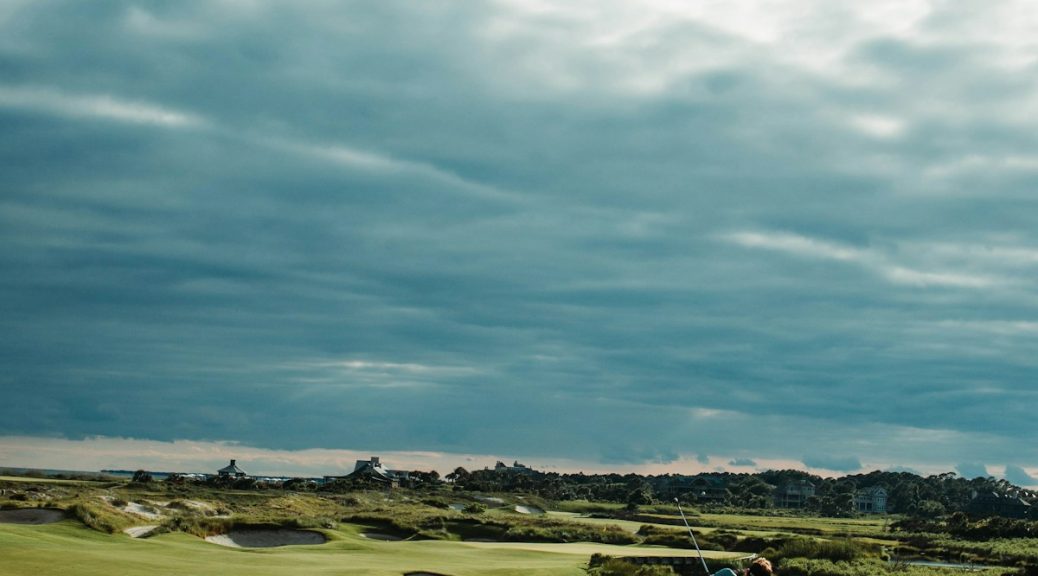
Scotland isn’t just a golf destination — it’s the golf destination. Every serious golfer owes themselves at least one pilgrimage to the place where the game was born, where the rules were written, and where the wind off the Firth of Forth has been humbling grown adults for six centuries. No resort course, no parkland classic, no sun-baked fairway in Arizona can prepare you for what Scottish links golf actually feels like. It gets under your skin in the best possible way.
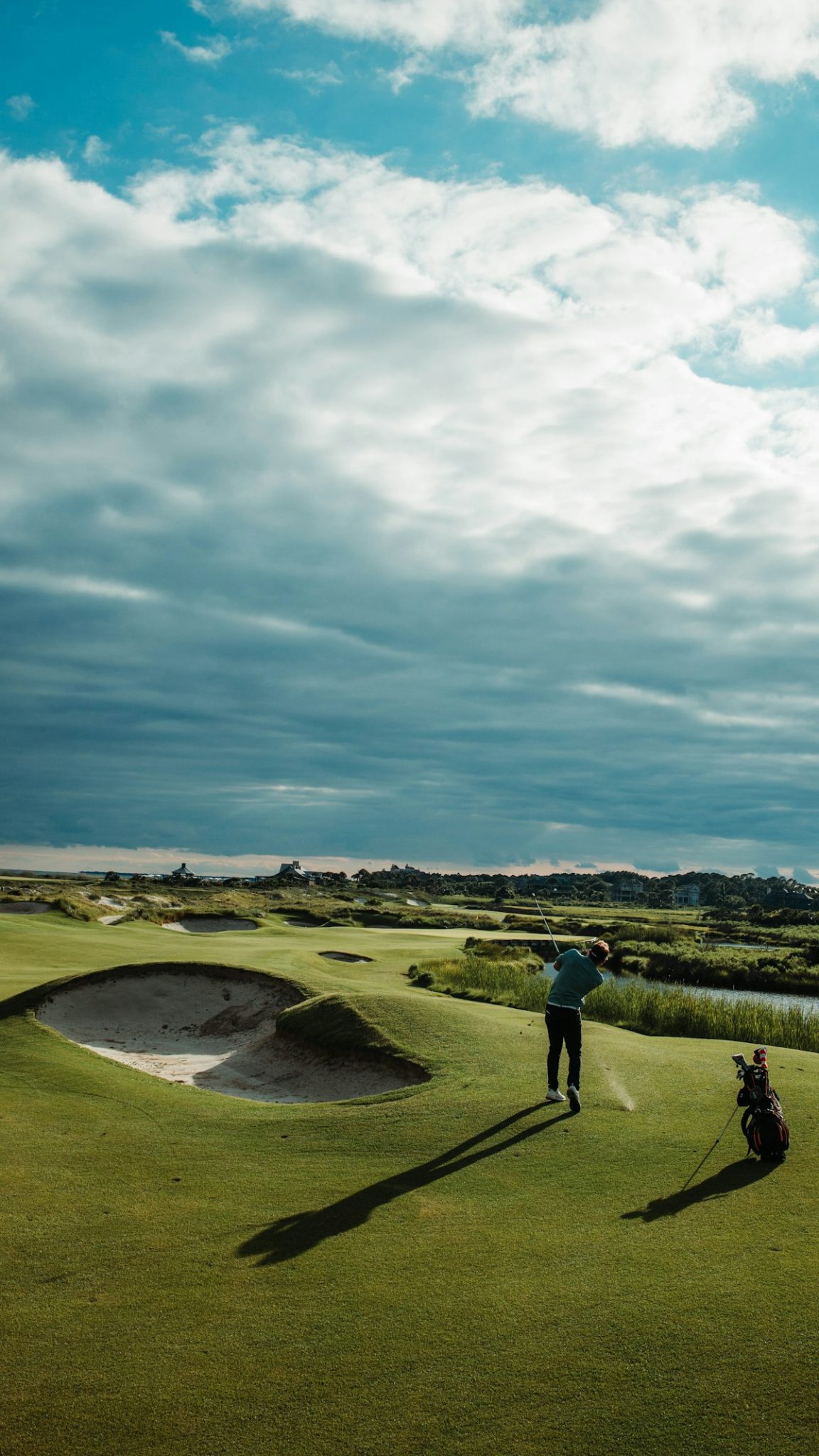
I’ve talked to enough golfers who’ve made the trip to tell you this: almost everyone comes back wanting to go longer next time. One week becomes two weeks becomes an annual pilgrimage. That’s the Scotland effect.
This guide covers the courses you need to play, the ones worth squeezing in on a budget, and the honest logistics of making the whole thing work — flights, bookings, weather, caddies, and all the things the travel brochures gloss over.
Why Scotland Is Sacred Ground
Golf began on Scotland’s eastern coastline somewhere around the 15th century, probably on the linksland between the sea and the farmable ground — those sandy, wind-battered strips of terrain that are completely useless for crops but perfect for chasing a ball around. The game spread naturally because the terrain invited it. You didn’t build a golf course in Scotland; you found one.
That origin story matters when you actually play here. Walking the Old Course at St Andrews, you’re not walking a designed experience — you’re walking terrain that shaped the very concept of what golf is. The double greens, the blind shots, the shared fairways, the bunkers with names — none of it was engineered for drama. It evolved organically, and the drama followed.
A few things make Scotland genuinely unlike anywhere else you’ll play golf:
- Tradition runs deep: The Rules of Golf were codified here. The R&A still operates out of St Andrews. The history isn’t decorative — it’s structural.
- Links golf is a different game: Firm, fast, running fairways. Wind that punishes bad decisions. Bump-and-run approaches over target-style aerial shots. If your game is built around spin, Scotland will recalibrate you fast.
- Public access dominates: Most of the great courses here are accessible to visitors. You don’t need to know a member. You just need to book early.
- Golf is woven into the culture: This isn’t a place where golf was imported as a leisure activity. It’s where the locals play on Tuesday evenings after work, where town councils take the public courses seriously, and where the pub conversation is as likely to be about the 7th hole at Dornoch as it is about football.
If you’ve never played links golf before, do yourself a favour and work on your shot shape before you go. A controlled draw that runs out along the ground is worth five times more on a Scottish links than a high fade that lands soft and stops dead.
The Iconic Courses: An Honest Rundown
The Old Course, St Andrews — The One You Have to Play
There is no substitute. You can play all the world’s great courses and the Old Course still feels different. Part of it is the history — 600-plus years of golf on this exact ground. Part of it is the layout, which shouldn’t work and somehow is the most fascinating 18 holes you’ll ever walk. Part of it is the town wrapping around the course like it’s always been there, because it has.
The Old Course has quirks you’ll read about but won’t fully understand until you’re standing on the 1st tee looking at the widest fairway in golf, with the town on your right and the Eden Estuary on your left. The shared double greens mean your putting line might intersect with a hole you’re not playing. The Road Hole bunker on the 17th has ended more Open Championships than any other hazard in golf. The Swilcan Bridge, which you’ll walk across on the 18th, is as close as golf gets to a religious experience.
Getting a tee time: This is the real challenge. The ballot system opens for the following day’s play, and you enter online. You’ll probably lose more than you win. Your best bet for a guaranteed round is booking a Links Trust package that includes multiple St Andrews courses — the Old, New, Jubilee, Eden, Strathtyrum, and Balgove courses are all managed by the same trust, and multi-course packages give you a guaranteed Old Course round. Book these 6-12 months out.
Green fees: £295–£315 (peak season). Worth every penny, but there are no refunds if the weather shuts the course down.
Pro tip: Play the New Course or the Jubilee the day before your Old Course round. It’ll help you calibrate your distances and get used to the pace of links fairways.
Carnoustie — Scotland’s Toughest Test
If the Old Course is the most famous, Carnoustie is the most feared. Tom Watson once said he’d rather lose at Augusta than lose at Carnoustie, which tells you everything about the psychological weight of the place. The Barry Burn weaves through the course like a trap set specifically to destroy your score on the holes where you can least afford it — particularly the 17th and 18th, where Jean van de Velde infamously unravelled during the 1999 Open.
Carnoustie is honest. There’s no visual trickery, no cosmetic drama — just hard, fair, relentlessly demanding links golf. Narrow fairways, deep rough that swallows balls whole, burns that appear exactly where you don’t want them. The wind, when it comes in off the North Sea, turns a difficult course into something genuinely punishing.
This is not a course to play on your first trip to Scotland. Come here when you understand links golf, when you can manage the ball low under the wind, and when you’re ready to accept a score 10 shots higher than your usual handicap and still call it one of the best rounds of your life.
Green fees: £200–£285 depending on season.
Booking: Carnoustie is part of Carnoustie Golf Links, a public course accessible to visitors. Advance booking recommended but not as difficult as St Andrews. Book 3–6 months ahead for peak summer.
Royal Dornoch — The World’s Best Kept Secret (That Everyone Already Knows)
Tom Watson called it his favourite course in the world. Ben Crenshaw wept after playing it. Golf Digest consistently ranks it in the top five courses on the planet. And yet Dornoch remains somehow remote, unhurried, and free of the circus that surrounds courses with equivalent reputations.
The journey to Dornoch is part of the experience. It sits at the northern tip of the Scottish Highlands, about an hour north of Inverness. You drive through moorland and past Highland castles and you arrive at a small town with a cathedral, a handful of pubs, and one of the great golf courses ever built. The setting is otherworldly.
What makes Dornoch special is the combination of plateau greens, dramatic run-offs, natural terrain, and a design so in harmony with the land that it’s impossible to tell where golf ends and nature begins. The 2nd hole, the 6th, the 14th — each one is a masterpiece. The whole thing is a masterpiece.
Dornoch is also genuinely welcoming. No velvet rope. No dress code enforced by a disapproving starter. Just good golf in extraordinary surroundings.
Green fees: £205–£265 depending on season. Early April and October shoulder-season rates represent superb value.
Getting there: Fly into Inverness, hire a car. Combine with Castle Stuart (now Cabot Highlands), Nairn, and Brora for a proper Highland golf trip.
Turnberry Ailsa — Drama by the Sea
Turnberry is the most visually dramatic course in Scotland — possibly the most dramatic in the world. The Ailsa Craig sits offshore like a massive volcanic paperweight. The lighthouse at the 9th tee stands against the sky. The Mull of Kintyre disappears into the distance. On a clear day, you can see Ireland.
The Ailsa Course has hosted the Open Championship four times, most famously the 1977 Duel in the Sun between Watson and Nicklaus, widely considered the greatest head-to-head in golf history. Walking those same fairways, you feel the weight of it.
The course is now owned by the Trump Organisation, which you can factor into your decision however you see fit. What’s undeniable is that the renovation delivered superb course conditioning and the resort amenities are genuinely excellent. Staying on-site is the recommended approach — resort guests get priority tee times, and the hotel itself is spectacular.
Green fees: £395–£450. The premium is steep but the experience justifies it if budget allows.
Best approach: Stay at the resort for 2–3 nights. Play the Ailsa once, the King Robert the Bruce course once, and use the spa in between.
Muirfield — The Exclusive One
Muirfield is the home of The Honourable Company of Edinburgh Golfers, the world’s oldest golf club, and it is the most restrictive course on this list. Visitor access is limited to Tuesday and Thursday mornings, you must apply well in advance, and the full traditional experience requires following the club’s customs to the letter.
The course itself is a genuine links masterpiece — two concentric loops of nine holes, outer ring clockwise, inner ring anticlockwise, meaning the wind hits you from every direction across the round. No hiding, no luck. It’s the most strategically pure links in Scotland.
If you can get on, go. Don’t overthink the politics of exclusive clubs. This is one of the greatest courses anywhere.
Green fees: Around £350 when accessible. Tour operators with established relationships are your best bet for access.
North Berwick — Links Golf Without the Fuss
North Berwick West Links is the course I’d recommend to first-time visitors who want genuine links golf without the complexity of the Old Course ballot or the expense of Turnberry. It’s about 30 minutes from Edinburgh, sits right on the Firth of Forth, and it’s one of the most fun courses you’ll ever play.
The quirks are legendary. Stone walls cross the fairways. Blind shots abound. The Redan — the 15th hole — is the most copied hole in golf design history; architects have been riffing on it for over a century. The whole place feels ancient and lived-in in the best possible way.
North Berwick also delivers outstanding views of the Bass Rock — the enormous white guano-covered island that sits offshore — and the Firth of Forth, with Edinburgh’s skyline visible on clear days. Play this one early in your Scotland trip to properly calibrate your expectations upward.
Green fees: £170–£230. Some of the best value for a genuine links experience in Scotland.
Kingsbarns — Modern Links Done Right
Built in 2000 on the Fife coast a few miles from St Andrews, Kingsbarns proves that links golf doesn’t require centuries of age. Every hole has views of the sea. The course conditions are immaculate. The design by Kyle Phillips works with the natural terrain so convincingly that it feels established rather than new.
Kingsbarns is now owned by the Kohler Company (same folks who own Whistling Straits), which has maintained the quality and the welcome. It’s the ideal companion to the Old Course for a Fife-based trip, and when the ballot denies you the Old Course, Kingsbarns is a more than worthy alternative.
Green fees: £295–£345. Included in some Links Trust packages.
Castle Stuart (Now Cabot Highlands) — The Modern Highland Classic
Set above the Moray Firth outside Inverness, Castle Stuart opened in 2009 and immediately became one of the most acclaimed new links designs in decades. The views across the firth to the Black Isle are outstanding. The course is challenging without being punishing, dramatic without being theatrical.
If you’re building a Highland golf trip around Royal Dornoch, Castle Stuart is the obvious companion — it’s about 40 miles south and easily combined in a 4–5 day northern itinerary. The American company Cabot acquired the course in 2021, rebranded it Cabot Highlands, and has invested heavily in conditioning and facilities.
Green fees: £195–£245. Multi-round packages available.
Planning Your Scotland Golf Trip
This is where most golfers go wrong. They book flights, they get excited about The Old Course, and they figure the rest will fall into place. It won’t. Scotland golf requires planning, especially if you want to play more than one top-tier course. Here’s how to approach it.
How Long Do You Need?
Be honest with yourself about this. A week sounds like a lot, but after accounting for travel days, jet lag (if coming from North America), and the fact that you’ll want more than one round per course, it disappears quickly.
- 5–7 days: Pick one region. St Andrews and Fife, or the Highlands, or Ayrshire. You’ll get 5–6 rounds in and see one area properly.
- 10–14 days: Two regions. This is the sweet spot. Enough time to not feel rushed, enough golf to get a real feel for the variety Scotland offers.
- 3 weeks+: The full pilgrimage. Work your way up the coast, from East Lothian to Fife to Angus to the Highlands, dipping down to Ayrshire. You’ll run out of time before you run out of great courses.
When to Go
The honest answer is: the Scottish golf season is longer than people think, but the weather is genuinely unpredictable at any time of year.
| Month | Daylight | Weather | Green Fees | Availability |
|---|---|---|---|---|
| April | ~14 hrs | Variable, cool | Shoulder rates | Good |
| May | ~16 hrs | Often excellent | Full rates | Book early |
| June | ~17 hrs | Best of year | Full rates | Very limited |
| July | ~17 hrs | Warm & dry | Full rates | Very limited |
| August | ~15 hrs | Good, some rain | Full rates | Limited |
| September | ~13 hrs | Calm & crisp | Slight reduction | Moderate |
| October | ~11 hrs | Cool, windier | Shoulder rates | Good |
May and September are arguably the best months. May gives you long days, firm conditions, and lower crowds than midsummer. September offers calm weather, colours turning in the hills, and better tee time availability than the peak summer rush.
How to Book
For most courses, direct booking through their websites is straightforward. The exceptions are the famous ones:
- Old Course: Use the St Andrews Links Trust website. Enter the ballot (daily results, next-day play) or book a multi-course package for guaranteed access. Packages must be booked months in advance.
- Muirfield: Contact the club directly or use a specialist tour operator. This requires lead time and the right connections.
- Turnberry/Kingsbarns: Book directly but do it 6+ months ahead for summer dates.
Tour operators are worth serious consideration if you want a stress-free trip with guaranteed tee times. Companies like PerryGolf, Golf Vacations UK, and Golfbreaks.com have established relationships with the major clubs and can package accommodation, transport, and course access together. You’ll pay a premium, but the logistics headache largely disappears.
Getting Around
Hire a car. Full stop. Scotland’s golf courses are spread across a country that has decent train links between cities but nothing useful for getting to a remote links on the Highland coast. A car gives you freedom to combine courses in different areas and to take the scenic route, which in Scotland means something very different to anywhere else.
Driving on the left is the only real adjustment for American visitors. Scottish roads outside the cities are narrower than you expect. Give yourself extra time and don’t try to squeeze too much into a single day’s driving.
Before you travel, make sure your gear is sorted — a good golf travel bag that protects your clubs on the flight is essential. Scotland’s airports handle a lot of golf traffic, but airline staff handling bags varies widely in their care.
Links Golf Survival Guide
If your entire golf education has happened on parkland or resort courses, Scottish links golf is going to recalibrate everything you know about the game. This isn’t a criticism — it’s a heads-up. Links golf rewards different skills, different shot shapes, and a different mental approach. Here’s what to know before you arrive.
The Wind is the Sixth Sense You Don’t Have Yet
On a typical Scottish links, the wind isn’t an inconvenience — it’s a playing condition you manage every single shot. Experienced links players check the wind from their feet first (how the grass is bending near the ground), then at eye level, then flag level, then above the flag. The wind can be doing different things at different heights and in different parts of the hole.
Rule of thumb: play one extra club into the wind, one less club with it. That’s the beginner’s version. The reality is more nuanced — a 30mph headwind can turn a 7-iron hole into a 3-iron hole. Don’t be embarrassed about what club you’re hitting. Nobody is watching, and the locals are hitting more club than you’d expect, too.
The Ground Game is Your Best Friend
Forget trying to fly everything to the flag. On firm, fast links turf, high aerial shots that land soft are a liability. The bounce on links fairways is unpredictable when the ground is hard, and you’ll often find your carefully flighted approach running 20 yards past the hole.
Learn to hit low punch shots and bump-and-run approaches. A 7-iron running along the ground from 40 yards short of the green will often finish closer to the hole than a wedge flighted at the flag. It feels wrong at first. Then it clicks, and you understand why links golf is considered the purest form of the game.
This also means you need to think about where you don’t want to miss. On a links course, a miss to the left might run through a swale and end up 50 yards from the pin. A miss to the right might land in a pot bunker. Play for the sides of greens, not the flag, and you’ll score better than you think.
Bunkers Are Not Your Friend
Scottish links bunkers are not the wide, shallow sand traps of American courses. They are pot bunkers — deep, steep-faced, terrifying. Some of them you cannot reach the green from at all; your only option is to blast sideways and take your medicine. The Road Hole bunker at St Andrews has single-handedly written the endings of careers and championships.
Before you go, spend some time working on your bunker technique. Knowing how to get out of bunkers reliably is not optional on Scottish links — it’s survival. A confident, repeatable bunker technique will save you a dozen strokes per round.
Walk. Always Walk.
Many of Scotland’s great links courses don’t have golf carts, and even where they’re available, walking is how the course was meant to be played. Beyond the tradition, walking gives you a much better feel for the terrain — the slopes, the run-offs, the subtle borrows in the fairways that influence where your ball goes. Golf carts put a glass between you and the course.
Hire a caddie if your budget allows. More on that below.
The Caddie Culture
Scottish golf caddies are a specific breed — deeply knowledgeable, dry-humoured, occasionally blunt, and worth every penny. A good caddie at the Old Course or Royal Dornoch isn’t just carrying your bag; they’re giving you a guided tour of a course they’ve walked hundreds of times. They’ll read the greens, club you correctly, and tell you where not to miss.
Caddie fees vary by course but typically run £50–£80 for 18 holes, plus tip (15–20% is standard for a good loop). At the Old Course, caddies are almost a compulsory experience — the course is complex enough that having local knowledge genuinely changes the quality of your round.
At more accessible courses like North Berwick or Cruden Bay, caddies are available but not always expected. A trolley or carry bag is perfectly normal. At resort courses like Turnberry and Kingsbarns, forecaddies are sometimes assigned to groups.
Layer Up, Always
Scottish weather doesn’t follow a script. You can have four seasons in one round — genuine sunshine, a horizontal rain shower, calming winds, and then a gale, all within two hours. Dress in layers and keep your rain gear in your bag every single round, regardless of what the forecast says.
The best approach: thermal base layer, mid-layer fleece or pullover, waterproof jacket. Waterproof trousers folded in the bag. A good waterproof cap or hat. Two pairs of gloves — one dry, one in a sealed bag. And waterproof shoes. Always waterproof shoes.
Budget vs Luxury Options
Scotland golf doesn’t have to be expensive, but it’s easy to spend a lot of money if you only chase the famous names. The smart approach is mixing premium rounds with hidden gems — you’ll often find that a £90 round at a lesser-known links is as memorable as a £350 round at a household name.
The Premium Experience
If budget isn’t a major constraint, Scotland’s elite courses deliver experiences worth every penny. At the top end of the spectrum:
| Course | Green Fee (Peak) | Caddie | Notes |
|---|---|---|---|
| Old Course, St Andrews | £315 | £60–80 | Ballot/package required |
| Turnberry Ailsa | £450 | £70–90 | Stay at resort recommended |
| Kingsbarns | £345 | £60–80 | Links Trust packages available |
| Muirfield | £350 | £60–80 | Limited visitor access |
| Royal Dornoch | £265 | £55–75 | Book direct; shoulder rates excellent |
| Carnoustie | £285 | £55–75 | Public course, book early |
A full luxury Scotland golf trip — upscale hotels or resort stays, caddies every round, the iconic courses — will run £800–£1,200+ per person per day. That’s a serious trip, but for golfers who’ve been planning it for years, it’s money well spent.
The Mid-Range Sweet Spot
This is where the best value in Scottish golf lives. Courses like North Berwick (£170–£230), Castle Stuart/Cabot Highlands (£195–£245), and Nairn (£130–£180) deliver world-class links golf without the price tag of the most famous names. Mix two or three of these with one bucket-list round and you’ve got a fantastic trip without bankrupting yourself.
Mid-range accommodation in Scotland is genuinely good. Traditional B&Bs near the courses are often run by golfers, breakfast is enormous, and you’ll get local knowledge that no travel guide can match. Budget £100–£180 per night for this tier.
The Hidden Gems: Budget Links Golf
This is the best-kept secret of Scottish golf. Some of the most authentic, most enjoyable links golf in Scotland costs less than £100 a round — sometimes much less.
- Brora: An 18-hole links in the northern Highlands designed by James Braid. Sheep sometimes wander onto the course. Green fees around £75. Pure, unreconstructed links golf.
- Cruden Bay: A dramatic course on the Aberdeenshire coast with natural dunes, blind shots, and a character all its own. Widely regarded as a hidden gem. Green fees around £120–£150.
- Golspie: Near Dornoch, this is the kind of course you’d never find without local knowledge. Green fees around £55. Worth every penny.
- Machrihanish: Remote Kintyre peninsula course. Old, rugged, unforgettable. The drive to get there is part of the experience. Around £100–£130.
- Elie: Small Fife village links with a starter who famously uses a submarine periscope to spot golfers on a blind drive. Green fees around £90.
- Prestwick: The original home of the Open Championship (first 12 Open Championships played here). Bizarre blind holes, ancient design, surprisingly affordable at £175–£200.
A budget-focused Scotland golf trip — B&Bs, trolley rather than caddie, hidden gems mixed with one or two bigger names — can be done comfortably for £250–£350 per person per day.
Suggested Itineraries
5 Days: St Andrews & Fife (The Classic)
- Day 1: Arrive, play North Berwick (nearby and excellent warm-up)
- Day 2: New Course or Jubilee, St Andrews (settles you into the town)
- Day 3: Old Course (ballot or package — the main event)
- Day 4: Kingsbarns (jaw-dropping coastal views, superb condition)
- Day 5: Carnoustie (end on the hardest note)
5 Days: The Highland Pilgrimage
- Day 1: Arrive Inverness. Play Castle Stuart/Cabot Highlands.
- Day 2: Nairn (excellent, underrated)
- Day 3: Royal Dornoch (the centrepiece)
- Day 4: Royal Dornoch again, or Golspie/Brora
- Day 5: Cruden Bay (drive back south via Aberdeenshire coast)
4 Days: Ayrshire Coast
- Day 1: Prestwick (history, strangeness, charm)
- Day 2: Royal Troon (Open Championship course, public access on weekdays)
- Day 3: Western Gailes (often overlooked, superb links)
- Day 4: Turnberry Ailsa (the finale)
Practical Logistics Worth Knowing
Handicap Certificates
Several of Scotland’s top courses — including the Old Course, Muirfield, and Royal Dornoch — require a valid handicap certificate. The standard requirement is usually 24 for men and 36 for women, though some courses are stricter. If you’re a WHS (World Handicap System) member through your home club, you’ll have access to an official certificate. Print it or keep it on your phone.
Dress Codes
Most Scottish links are less formal about dress than their English counterparts, but collared shirts are expected virtually everywhere, and jeans are almost universally banned. Smart golf attire is the safe standard. Muirfield is the strictest — suit in the clubhouse after golf is expected.
Clubhouses and the 19th Hole
Scottish golf clubhouses range from Victorian grandeur (Muirfield, Royal Troon) to wonderfully simple affairs with a bar, a few tables, and views that would cost a fortune at any restaurant. The post-round pint is not optional — it’s part of the cultural contract. The culinary standard in Scottish golf clubhouses has improved dramatically in recent years. Expect excellent soups, hearty pies, and occasionally remarkable seafood.
Currency and Tipping
Scotland uses GBP (pounds sterling). Credit cards are widely accepted. Tipping caddies in cash is standard — bring £20 notes. Tipping in restaurants and pubs is customary at around 10–12%.
Beyond the Golf Courses
Scotland doesn’t require you to leave your non-golfing travel partner at home. The country has enough to offer outside the courses that a mixed itinerary — golf in the morning, sightseeing in the afternoon — works beautifully.
Edinburgh is one of the great cities of Europe, with a castle perched on volcanic rock over the city centre, a whisky trail, world-class restaurants, and enough Georgian and medieval architecture to fill a week of sightseeing. It’s 30 minutes from North Berwick and a reasonable base for East Lothian golf.
The Highland distilleries are an obvious companion to a northern golf trip. Glenmorangie is 10 minutes from Royal Dornoch. The Speyside region — home to Glenfiddich, The Macallan, and Balvenie — is accessible from Inverness. Scotland produces the best whisky in the world, and drinking it on-site near the distillery has a specific magic to it.
St Andrews itself is worth at least a half-day of non-golf exploring. The ruined cathedral, the castle, the university — all of it sitting in a compact town that somehow still feels like it belongs to the locals rather than the tourists. Walk the West Sands at sunset and you’ll understand why the opening of Chariots of Fire was filmed here.
Final Thoughts: Making the Most of the Trip
Don’t over-schedule yourself. The temptation is to cram as many courses as possible into every day, especially if you’ve been saving up for this trip for years. Resist it. Playing two rounds a day in Scottish weather is exhausting, and your second round is never as sharp as your first. Walk, take your time, stop on the 9th tee at North Berwick and just look at the Bass Rock for a minute. Those moments are the ones you’ll remember.
Go in with the right expectations about your score. Links golf, especially with wind, will probably produce your worst scorecard of the year. It doesn’t matter. Nobody is keeping score in any meaningful sense. What matters is that you walked the same ground where the game was invented, that you hit a bump-and-run approach on the 17th at Carnoustie, that you crossed the Swilcan Bridge. The numbers on the card are secondary.
And when you get home — probably already planning the next trip before the jet lag clears — you’ll understand what golfers mean when they say Scotland changes you. It’s not just that the courses are the best in the world. It’s that they put you in your place in the best possible way, and remind you why you started playing this maddening, brilliant game in the first place.
Scotland doesn’t care about your handicap. It just asks you to show up, play the wind, respect the ground, and enjoy yourself. Do that, and you’ll never want to leave.
Getting ready for the trip of a lifetime? Make sure your clubs are protected on the journey over with a solid golf travel bag, spend some time mastering your draw shot before you go — it’s the shot shape that links golf rewards — and brush up on your bunker technique before you land. Scotland’s pot bunkers wait for no one.