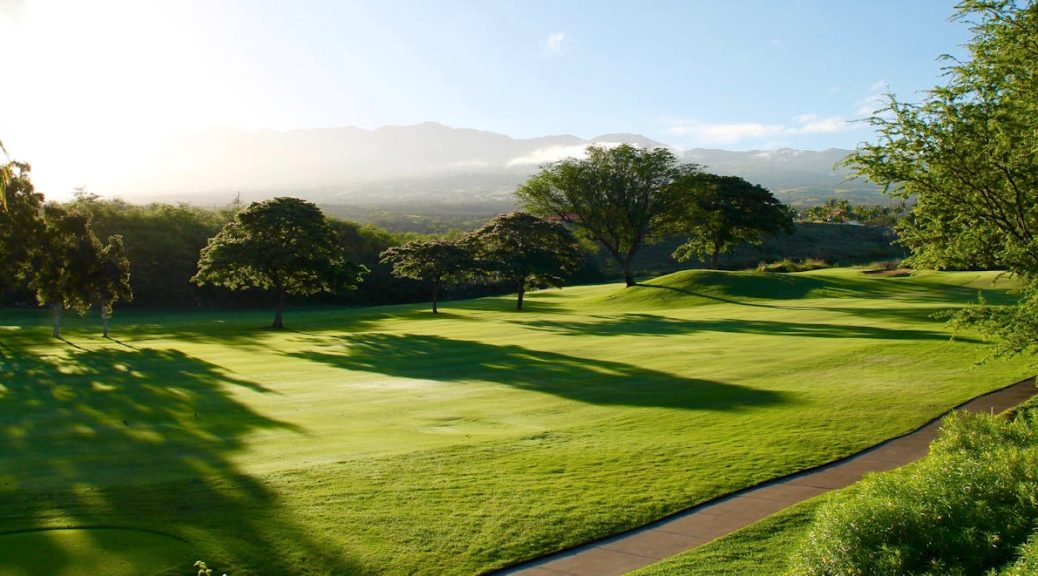
Best Public Golf Courses in Arizona – Desert Golf at Its Finest
Arizona’s desert golf experience is unlike anywhere else on the planet. I’ve played in Scotland in the rain, tracked down links courses in Ireland, and teed it up at classic parkland tracks all over the Southeast — and nothing quite prepares you for the first time you step onto an Arizona course and realize the rough isn’t rough at all. It’s cactus. And rocks. And things that bite.

That’s not a warning — it’s a selling point. Desert golf in Arizona is dramatic, demanding, and flat-out addictive. The fairways are tight ribbons carved through native desert, the air is dry enough that your ball flies five to ten yards farther than expected, and the scenery borders on ridiculous. Saguaro cacti towering over greens. Jagged mountain ridgelines framing every tee shot. Sunsets that look painted.
The Grand Canyon State has more than 300 courses, most of them public or semi-private. You don’t need to know a member. You don’t need to spend $500 a round. You just need to book early and bring enough sunscreen to coat a small army. This guide covers the best public courses in Arizona — what makes each one worth your time, what you’ll pay, and how to not melt doing it.
Whether you’re planning a long weekend in Scottsdale, a week-long road trip through the state, or just scoping out your options before committing — you’re in the right place.
Why Arizona Golf Deserves Its Reputation
People talk about Scottsdale like it’s the whole state. It’s not — though it does punch hard. Here’s why Arizona specifically earns its place among the great golf destinations in the world:
- 300+ sunny days per year. That’s not a tourism-brochure number. It’s genuinely one of the sunniest places on Earth. You are almost never going to get rained off.
- 300+ courses. Public, semi-private, resort, tribal — and most are in playable condition year-round.
- Ball-flight bonus. The dry, thin air at elevation (Phoenix sits at ~1,100 feet; Scottsdale slightly higher) adds distance to every club. I hit my 7-iron about 170 here. Back home in Texas it’s 160. Budget for that adjustment.
- Architect pedigree. Tom Weiskopf, Bill Coore & Ben Crenshaw, Tom Fazio, Rees Jones, Jack Nicklaus — they’ve all left serious work here.
- Value windows. Prime season (January–April) is expensive. Summer (June–September) is cheap. If you can handle the heat, you can play world-class courses for $60 that cost $300 in peak season.
The combination of those factors — quality, quantity, weather reliability, and genuine pricing range — is hard to match anywhere in the country.
The 10 Best Public Golf Courses in Arizona
These aren’t just “good for Arizona.” Several of these belong on any golfer’s bucket list, period. Here’s the rundown, with honest takes on each.
1. We-Ko-Pa Golf Club — Cholla Course (Fort McDowell)
If I had to pick one course in Arizona to play every year, it would be Cholla. Bill Coore and Ben Crenshaw built something here that feels discovered rather than designed — like the routing was always sitting in that desert just waiting to be found. The natural terrain rolls through washes, around rock formations, and over gentle ridgelines without ever feeling forced.
There’s no excessive mounding. No fake-looking waterfalls. The land does the work, and Coore/Crenshaw had the discipline to let it. That’s rarer than it should be in desert golf.
Signature hole: The 13th — a mid-length par 4 that bends around a rocky outcropping with the McDowell Mountains filling the background. Simple setup, huge payoff.
Green fees: $150–$295 depending on season and time
Best time to book: November through March for ideal conditions; late September/October offers great weather at slightly softer rates
Pro tip: We-Ko-Pa also has the Saguaro course (Tom Lehman/John Fought design) — play both if you can. The Cholla is better, but Saguaro is no slouch.
2. Troon North Golf Club — Monument Course (Scottsdale)
Tom Weiskopf designed both courses at Troon North, but Monument is the one that gets on the national lists and belongs there. The 15th hole alone — a downhill par 3 playing toward a green framed by the massive Pinnacle Peak rock formation — is one of the most photographed tee shots in American golf. You’ve seen it without knowing where it was.
Monument is unabashedly target golf. Tee shots carry over desert scrub to specific landing zones; miss wide and you’re either dropping or going on an adventure. The conditioning is typically excellent — Troon North knows its audience and delivers.
Signature hole: 15th, the “Pinnacle” hole — par 3, downhill to a well-guarded green with Pinnacle Peak rock looming behind. Bring one extra ball.
Green fees: $150–$350 (this is peak-season resort pricing; summer rates drop significantly)
Best time to book: Early November for good rates before the snowbird surge, or June–August if the heat doesn’t scare you
Pro tip: The Pinnacle Course at Troon North is newer and softer — Monument is the reason to make the drive.
3. Grayhawk Golf Club — Talon Course (Scottsdale)
Grayhawk has two courses: Raptor (Phil Mickelson helped design it, it gets all the press) and Talon (David Graham and Gary Panks, gets less press, deserves more). I’m here to advocate for Talon.
Talon is a purer desert experience — it rewards shot-shaping, punishes laziness, but doesn’t feel like it’s trying to embarrass you. The conditioning rivals anything in Scottsdale, the practice facility is legitimately excellent, and on most days you’ll pay less than you would for Raptor while having an equally satisfying round.
Signature hole: The 18th — a long, uphill par 4 finishing back toward the clubhouse with desert all down the left side. Make birdie here and you’ll remember it.
Green fees: $125–$275
Best time to book: Shoulder season (October–November, April–May) for the best combination of conditions and rates
Pro tip: Grayhawk is the host venue for several PGA Tour Champions events — the course is maintained to that standard.
4. Quintero Golf Club (Peoria)
Rees Jones built this in the high desert northwest of Phoenix, and it’s the best-kept not-quite-secret on this list. Quintero sits in a canyon system that creates dramatic elevation changes, wide-open views, and a routing that feels genuinely remote even though you’re 45 minutes from downtown Phoenix.
The conditioning is outstanding. The crowds are light compared to Scottsdale. The rates are fair. And the golf is legitimately challenging in the best way — not trick shots, just a course that demands you hit it where you’re pointing.
Signature hole: The 10th — a downhill par 4 dropping through a canyon with a green tucked against the rock face. First time you see the tee shot, you’ll just laugh.
Green fees: $95–$225
Best time to book: October through April; summer rates can drop to $60–$80 range
Pro tip: Book a morning tee time and make the drive. This is worth the extra 20–25 minutes past Scottsdale.
5. Southern Dunes Golf Club (Maricopa)
The premise sounds wrong on paper: links-style golf in the middle of Arizona desert. But Mike Nuzzo pulled it off in a way that shouldn’t work but absolutely does. Southern Dunes plays firm and fast, rewards bump-and-run shots, and walks like a proper links course. The routing is open, the wind matters, and the greens are some of the most interesting in the state.
The price point is the other thing: this is consistently the best value in Arizona. For $45–$95 depending on season and time of day, you’re playing a course that would command 2–3x that price if it had a resort attached to it.
Signature hole: The 18th — a risk-reward par 5 with a split fairway that lets you decide how brave you are. Fading light, cool desert air, and a real closing hole. Great finish.
Green fees: $45–$95
Best time to book: Year-round; twilight rates in summer are absurdly cheap
Pro tip: Take a cart at least once so you can see the full property — then come back and walk it. The course plays differently on foot.
6. Ak-Chin Southern Dunes Golf Club (Maricopa)
Different course, same general area, equally good — just in a different way. Ak-Chin Southern Dunes is a Schmidt-Curley design that leans into traditional desert target golf rather than the links feel of its neighbor. The conditioning is meticulous, the fairways are generous off the tee, but miss in the wrong spot and you’re chipping out sideways.
This one gets overlooked because it’s not in Scottsdale and doesn’t have a famous architect name attached. That’s entirely to your benefit. Less demand, better rates, and you’ll rarely feel rushed.
Signature hole: 7th hole — a mid-length par 3 that plays across a rocky wash to a green with a severe false front. Club selection matters enormously here.
Green fees: $75–$175
Best time to book: November through March; spring shoulder is ideal
Pro tip: Pair it with Southern Dunes for a 36-hole day. The contrast between the two styles makes for a genuinely interesting golf day.
7. Ventana Canyon Golf Club — Mountain Course (Tucson)
Tom Fazio routed the Mountain Course through the Santa Catalina foothills, and the 3rd hole is one of the most famous short par 3s in the Southwest. It plays 107 yards — that’s it, just over 100 yards — but the tee is elevated and the green is perched on a rock shelf above a canyon. Miss left or short and the ball is gone. The yardage is irrelevant; this hole plays with your head.
The rest of the course doesn’t quite reach that level of drama, but it’s a solid mountain desert track with excellent conditioning and full resort amenities. Tucson often gets skipped by golfers who fly into Phoenix, and that’s a mistake. The Mountain Course alone justifies the drive south.
Signature hole: 3rd — 107-yard par 3 over a canyon. Bring a sleeve of balls and a steady nerve.
Green fees: $99–$225
Best time to book: October through April; summer rates around $75–$100 make this a great deal
Pro tip: Stay at the Loews Ventana Canyon resort if the budget allows — the on-site access perks are worth it.
8. Sewailo Golf Club (Tucson)
Notah Begay III designed this one at Casino Del Sol, and he brought a perspective to desert golf that most architects don’t have — he grew up in it. Sewailo (pronounced SEH-why-lo) blends links-style movement with desert terrain in a way that feels natural rather than grafted on.
The strategic options are genuinely interesting. There are multiple ways to play most holes depending on your skill level and how much risk you want to take on. The practice facilities are top-tier, and the casino resort backing means the conditioning budget doesn’t get cut.
Signature hole: 17th — a long par 3 with a wide, undulating green that punishes anything short. The two-tier green creates dramatically different pin positions throughout the year.
Green fees: $59–$139
Best time to book: November through March; the Tucson market is softer than Scottsdale so rates don’t spike as aggressively
Pro tip: Casino resort = late tee times available. If you’re a night owl, twilight rounds here in fall are excellent.
9. Longbow Golf Club (Mesa)
Ken Kavanaugh built a course here that serves the “I want real desert golf without paying resort prices or driving 45 minutes” crowd, and it nails that brief. Longbow is in the East Valley, which means it’s convenient, affordable, and plays well without being watered down. The desert is in play, the greens are maintained well, and nothing about the experience feels like a compromise.
If you’re based in Mesa or the East Valley suburbs, or if you’re looking for a warm-up round before tackling something pricier, Longbow is your answer.
Signature hole: 9th — a medium par 4 with an uphill approach to a green guarded by rocky desert on three sides. Good driving hole.
Green fees: $49–$99
Best time to book: Year-round; one of the most consistent values in the Phoenix metro
Pro tip: The morning rate and afternoon rate difference here is significant. Check both windows before booking.
10. Talking Stick Golf Club — North Course (Scottsdale)
Coore and Crenshaw again — this time on the Salt River Pima-Maricopa tribal lands in the middle of Scottsdale. The North Course is their interpretation of pure minimalist golf in the Arizona desert: wide fairways, minimal trees, firm and fast surfaces, and a walking-friendly layout that encourages you to think on your feet.
It’s the most accessible course on this list. The fairways are forgiving enough for higher handicaps, the pace of play is typically brisk, and the rates are genuinely fair for what you’re getting. Think of it as the “everyone wins” option — good golfers will appreciate the subtlety; casual players won’t feel punished.
Signature hole: 18th — a straightaway par 4 with out-of-bounds right and desert left, finishing back at the clubhouse. Classic closing hole setup.
Green fees: $75–$150
Best time to book: Year-round; one of the most reliable bookings in Scottsdale
Pro tip: The South Course (Coore/Crenshaw as well) is underrated — if you’re playing North, book both for a full day.
Quick Comparison: All 10 Courses at a Glance
| Course | Location | Green Fees (Range) | Style | Best For |
|---|---|---|---|---|
| We-Ko-Pa Cholla | Fort McDowell | $150–$295 | Natural desert | Bucket list golf |
| Troon North Monument | Scottsdale | $150–$350 | Target desert | Iconic experience |
| Grayhawk Talon | Scottsdale | $125–$275 | Resort desert | Resort feel, real golf |
| Quintero | Peoria | $95–$225 | Canyon desert | Hidden gem seekers |
| Southern Dunes | Maricopa | $45–$95 | Links/desert | Budget golfers |
| Ak-Chin Southern Dunes | Maricopa | $75–$175 | Desert target | Value + conditioning |
| Ventana Canyon Mountain | Tucson | $99–$225 | Mountain desert | Scenic drama |
| Sewailo | Tucson | $59–$139 | Links/desert | Tucson value play |
| Longbow | Mesa | $49–$99 | Desert | Convenient, affordable |
| Talking Stick North | Scottsdale | $75–$150 | Minimalist desert | All skill levels |
Planning Your Arizona Golf Trip
Arizona golf trips require more advance planning than people expect — especially if you’re targeting peak season. Here’s how to put together a trip that doesn’t leave you scrambling or overpaying.
Scottsdale-Focused Trip (3–4 Days)
If you’re flying into Phoenix Sky Harbor or Scottsdale Airpark, you’ve got 4–6 legitimate bucket-list courses within 30 minutes. Build your itinerary around We-Ko-Pa Cholla (book first — it fills up), Troon North Monument, and Talking Stick North. That’s 54 holes of genuinely excellent public golf without leaving the metro area. Add Quintero if you want to venture slightly northwest — it’s worth the extra drive.
Full Arizona Road Trip (6–8 Days)
If you’re doing the full tour: fly into Phoenix, spend 3–4 days in Scottsdale and the East Valley, then drive south on I-10 to Tucson for 2 days. Tucson’s courses are cheaper, less crowded, and underrated — the Ventana Canyon Mountain hole alone is worth adding to any golfer’s checklist. From Tucson, the drive back to Phoenix via the highway goes through Maricopa — stop at Southern Dunes or Ak-Chin on the way back.
Booking Strategy
Most Arizona courses open their tee sheets 30–90 days out. For peak season (January–April), aim for 30+ days ahead for top courses. We-Ko-Pa and Troon North specifically book out fast — don’t assume you can call 3 days out in February and get a morning time.
GolfNow, the course’s own website, and direct phone booking are your three channels. GolfNow occasionally has hot deals, but the better deals are often through the course directly for twilight or early morning windows.
Where to Stay
Scottsdale has a massive resort corridor. If you’re going full experience, stay at a resort with on-site golf or preferred rates at partner courses — Troon North, Grayhawk, and We-Ko-Pa all have lodging partnerships. If you’re watching the budget, look at hotels around Old Town Scottsdale or Tempe — Uber/Lyft to courses is practical and saves on rental car mileage.
For a Tucson swing, the Loews Ventana Canyon is the splurge option; downtown Tucson hotels are serviceable and cheaper if you’re just using the area as a base.
Getting Your Gear There
If you’re flying with clubs, a good travel bag makes the difference between arriving with confidence and arriving with anxiety. Check out our guide to the best golf travel bags before you book — the right case pays for itself in avoided headaches.
Best Time to Play Arizona Golf
Timing your Arizona trip matters more than almost anywhere else. The weather swings are dramatic, and the pricing swings are even more so.
Peak Season: January – April
This is Arizona golf at its finest. Temperatures in Phoenix run 65–80°F through February and March — ideal golf weather. The snowbirds know it, the tour players know it, and the rates reflect it. Expect to pay top dollar at top courses during this window. The tradeoff is worth it: conditions are at their absolute best, the desert is occasionally in bloom, and the courses are in top shape because every facility spends January through March competing for that market.
Book 4–6 weeks out for prime-time tee times at the best courses. If you want 8am on a Saturday at We-Ko-Pa in February, you need to be on the phone the moment the booking window opens.
Shoulder Season: October – December and May
October and November are genuinely excellent months that don’t get the credit they deserve. Temperatures drop back into the mid-70s to low-80s after the brutal summer, courses are in good shape because they’ve been recovering and reseeding, and rates haven’t yet spiked. You’ll pay 20–40% less than peak season and deal with fewer crowds. This is the sweet spot for the value-focused golfer who still wants decent weather.
May is tricky — temperatures are climbing fast. By mid-May, Phoenix is regularly hitting 95–100°F. It’s playable in the morning, but the window is narrow.
Summer Season: June – September
Here’s the hot take (pun fully intended): summer Arizona golf is actually worth doing if you can handle early mornings. From late June through September, Phoenix regularly hits 105–115°F in the afternoon. That’s not playable. But from 5:30–6:00am until about 9:30–10:00am, temperatures are in the 85–95°F range — still warm, but manageable with proper preparation.
The reward: courses that cost $200+ in January drop to $50–$80. We-Ko-Pa, Troon North, and Grayhawk all have summer rate programs that are genuinely attractive. You won’t be comfortable, but you’ll be playing world-class courses at budget prices.
If you’re planning a summer trip, book early-morning tee times (6am or 6:30am), hydrate aggressively the night before, and plan to be off the course by 10am. Then go find air conditioning and cold food for the rest of the day.
Desert Golf Survival Tips
Desert golf has its own set of rules that nobody teaches you before your first trip. Here are the things you actually need to know.
Hydration — More Than You Think
You’re not going to feel as thirsty as you should be in dry desert air. Sweat evaporates almost instantly, so you lose moisture without that damp feeling that normally tells you to drink. The standard rule I follow: 8 ounces of water every 15 minutes, starting before I even tee off on the 1st hole. Bring a large insulated water bottle. The cart beverage station won’t cut it.
Electrolyte tablets or powder are worth carrying, especially in summer. Plain water alone doesn’t replace what you’re sweating out in 100°F heat. Salt is your friend out here.
Sun Protection Is Non-Negotiable
Arizona sits at elevation with very little humidity and almost no natural cloud cover. UV exposure is intense. SPF 50 minimum, applied before you leave the hotel — not in the parking lot. Reapply at the turn. A wide-brimmed hat is more effective than a baseball cap; the back of your neck and ears take an absolute beating otherwise. Sunglasses with UV protection are essential — squinting for 4–5 hours damages your eyes and wrecks your depth perception on approach shots.
The Wildlife Reality
Rattlesnakes are real. They’re not lurking everywhere, and they’re generally not aggressive — but if you chunk a shot into the native desert, take a beat before wading in to find your ball. Look before you step. Look before you reach. If you see a snake, back away slowly and let it move on. Don’t poke it, don’t try to move it, don’t take a photo from 3 feet away.
Javelinas (small desert pigs) roam many Scottsdale and Tucson courses. They’re not dangerous to golfers but can be startling. Coyotes are occasionally spotted at dusk on courses that back up to natural desert. Treat all of it like you would in any natural space: observe from a distance, don’t feed anything, and don’t leave food out.
Ball-Flight Adjustments
Dry, high-altitude air reduces air resistance. Your ball will fly farther and won’t curve as dramatically as it does in humid air. Most golfers gain 5–10 yards across the bag. Club down accordingly — if you’re between a 7-iron and 8-iron, take the 8. This catches people off time and again on approach shots — they take the “right” club and fly the green by 15 yards.
Also: don’t search too long for a ball in the desert rough. Most Arizona courses ask that you treat native desert as a lateral hazard. Drop at the point of entry, take your medicine, and move on. You’re not finding that ball, and the time spent looking isn’t worth it — especially in heat.
Pace and Timing
In peak season, pace of play can be slow at popular courses. Book the earliest available tee time to beat both the crowd and the heat. In summer, there’s no choice — early morning is the only viable window. Courses know this and staff accordingly, but the first few groups of the day move much faster than the 10am field.
What to Wear
Light-colored, moisture-wicking fabrics are the obvious answer. Go one step further: look for UPF-rated golf shirts. They’re constructed to block UV rather than just wick moisture, and the difference is noticeable over a full round in Arizona sun. Dark colors absorb heat; stick to whites, light grays, pale blues. Leave the navy polo at home.
Your Equipment Out Here
A GPS rangefinder is close to mandatory on Arizona courses — the carries over desert scrub require knowing exact yardage, not “about 150.” Extra golf balls are necessary, especially on your first desert trip. The native areas eat golf balls with enthusiasm. Bring twice as many as you think you’ll need.
If you’re serious about your game, this is also a great trip to be swinging a driver you trust — the accuracy demands off the tee on desert courses are real. And if the desert’s firm, fast greens are giving you trouble around the putting surface, it’s worth brushing up on short game fundamentals before you go. A lot of Arizona scoring is determined within 50 yards.
Regional Breakdown: Where to Go and Why
Scottsdale / North Phoenix
The epicenter of Arizona golf. Highest prices, most concentration of top courses, best infrastructure. If you’re doing a dedicated golf trip with a group and you want the full resort experience, this is where you go. We-Ko-Pa, Troon North, Grayhawk, and Talking Stick are all within 20 minutes of each other. The dining, nightlife, and overall resort scene are the best in the state.
West Valley / Peoria / Maricopa
The value corridor. Quintero in Peoria is a genuine hidden gem — canyon golf at non-Scottsdale prices. Southern Dunes and Ak-Chin in Maricopa are an easy drive south on I-10 and offer some of the best quality-to-price golf in the entire Southwest. If budget matters and you don’t need to Instagram a famous rock formation behind every green, this region delivers.
East Valley / Mesa / Tempe
Convenient and accessible. Longbow and Talking Stick are both in this zone. Great if you’re staying in Phoenix proper, flying in and out of Sky Harbor, or building a trip around things beyond golf. The courses are good, not transcendent — but they’re accessible, fast, and priced right.
Tucson
The underrated option. Tucson gets maybe 30% of the golf tourism that Scottsdale does, but some of its courses rival anything in the state. Ventana Canyon Mountain, Sewailo, Starr Pass, and Arizona National all deserve attention. If you’re the type of traveler who likes to find the thing that people haven’t discovered yet, Tucson is your answer. Rates are fair year-round, the city itself has genuine culture and food worth exploring, and you’ll rarely wait on a tee box.
Budget Planning: What to Expect to Spend
Let’s be honest about the numbers. A 5-day Arizona golf trip for one person, not cutting corners, in peak season:
- Flights: $300–$600 roundtrip from most US cities
- Lodging: $150–$300/night Scottsdale hotel; $100–$150/night budget options
- Golf (3–4 rounds): $150–$350/round peak season at top courses; $75–$125 at value courses
- Rental car: $40–$70/day
- Food and drinks: $50–$100/day (Scottsdale is not cheap)
The same trip in summer (June–August) cuts the golf costs by 50–70% while keeping everything else roughly the same. A golfer willing to be on the first tee at 6am can play 4 rounds including Troon North and We-Ko-Pa for what a single peak-season round at those courses would cost.
For groups of 4, the per-person math improves significantly — rental car splits, golf cart shares, and group lodging rates all help. A foursome doing Arizona in October can have an excellent 5-day trip for $1,000–$1,500 per person all-in. That’s hard to beat for this quality of golf.
Final Verdict: Who Should Go to Arizona for Golf
Honestly? Every serious golfer should do Arizona at least once. The combination of quality, variety, and weather reliability is almost unmatched in American golf. Pebble Beach is more iconic. Augusta (if you could play it) is more prestigious. But for a straight-up “get on a plane with clubs and play great golf every day without worrying about rain,” Arizona is the answer.
The best courses — We-Ko-Pa Cholla, Troon North Monument, Quintero — belong on any golfer’s list alongside coastal icons. The best value courses — Southern Dunes, Longbow, Sewailo — prove you don’t need a $300 budget to play well in the desert. And the setting, the light, the saguaros at sunrise, the way the desert smells after a rare rain — none of that costs extra.
Book early, start early, drink more water than you think you need, and enjoy what the Grand Canyon State delivers better than almost anywhere on earth: real, demanding, unforgettable golf in the middle of the most dramatic terrain the game is played on.
Heading to Arizona? Make sure your gear is ready for the journey — check out our picks for the best golf travel bags before you fly.