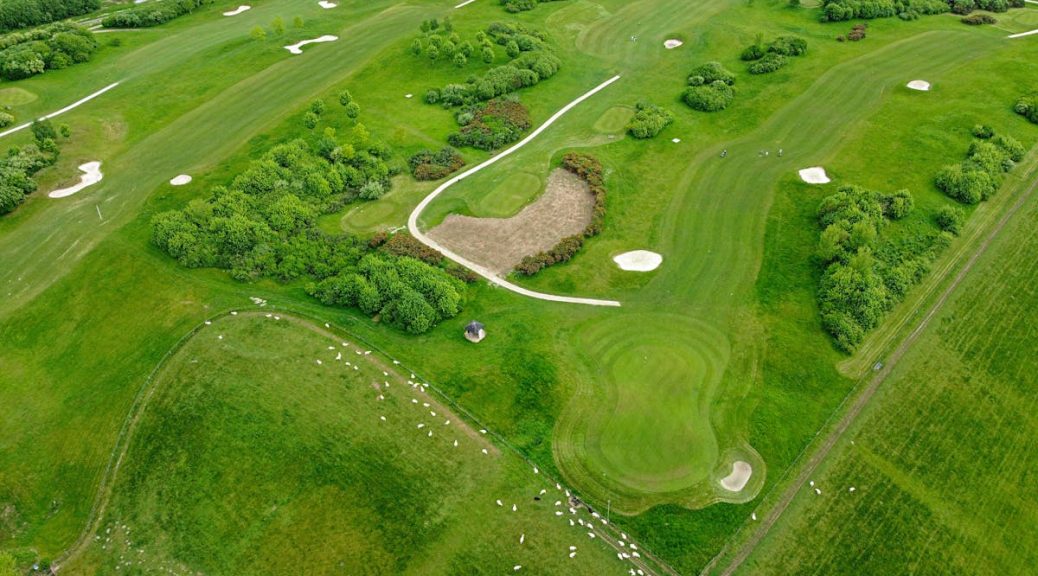
Bandon Dunes Resort Review – America’s Links Golf Paradise
Let me be straight with you: Bandon Dunes is not just a golf resort. It is a pilgrimage. And like most pilgrimages, it requires a bit of suffering to get there—but the moment you stand on the cliffs above the Pacific and watch the wind tear across an unmowed fescue fairway, every mile of travel evaporates. There is no other place in America that delivers links golf at this level. None. That is not hype; it is just the truth, and any serious golfer who has been there will back me up.
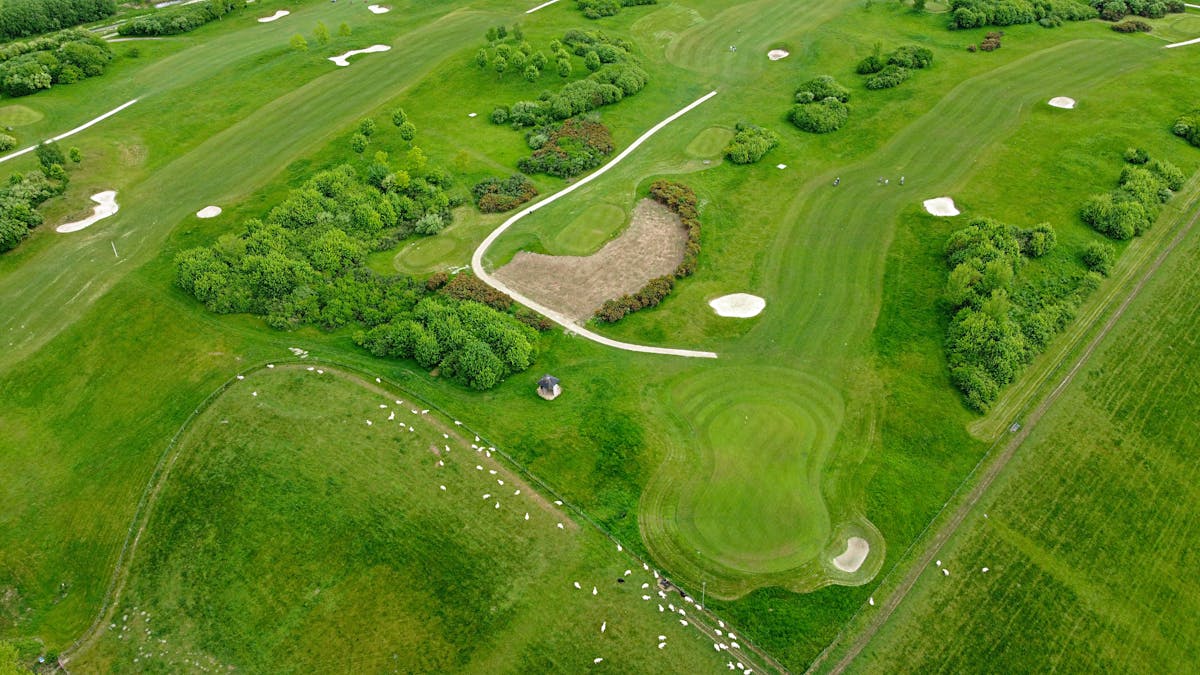
I have played Bandon multiple times now. My first trip was a four-day sprint that left me exhausted, wind-burned, and immediately planning the next visit. Subsequent trips have only deepened the obsession. So consider this review less a dry facilities report and more a honest briefing from someone who knows the place well—what it gets right, what to watch out for, how to make the most of your time, and whether the significant financial and logistical investment is worth it.
Spoiler: it absolutely is.
Why Bandon Dunes Exists in a Category of Its Own
Mike Keiser opened Bandon Dunes in 1999 with a single question driving the whole project: what if you built a walking-only, cart-free golf resort on raw Pacific coastline and just let the courses be as good as the land would allow? The answer, it turned out, was extraordinary. Keiser hired young architects, gave them minimal interference, and trusted that serious golfers would travel to the southern Oregon coast to play the real thing.
They did. And they kept coming back.
What separates Bandon from other upscale American golf resorts is a near-total absence of filler. There are no spas trying to compete with the golf. No celebrity chef restaurants overshadowing the courses. No motorized carts humming across fairways that were designed for human feet. The entire operation is built around one thing: golf played the way it was invented, on land shaped by weather and time, on foot, with the wind in your face.
That walking mandate is not a gimmick. It is foundational to the experience. By the time you finish a round at Sheep Ranch—ocean on three sides, no trees, the Pacific wind doing whatever it wants—you understand that walking is the only way this makes sense. A cart would insult the whole thing.
The Courses — All Five (Plus the Bonus)
Bandon currently offers five full-length courses and one shorter par-3 layout. Each has its own character, its own architect, its own brand of punishment and beauty. Here is a proper look at each one.
Bandon Dunes — The Original
David McLay Kidd was 27 years old when he designed the original Bandon Dunes course. That fact alone should make you nervous and excited in equal measure. Nervous, because 27-year-olds designing golf courses is usually a recipe for ego-driven disaster. Excited, because occasionally a young architect just sees things clearly, without the baggage of convention.
Kidd nailed it. Bandon Dunes (the course) set the tone for everything that followed—windswept fescue, natural routing along the clifftops, a complete absence of manufactured drama because the land provides plenty of its own. Seven holes run directly along the Pacific, and the 16th hole, a par 4 that doglegs along the clifftop, is one of the most visually arresting holes in American golf.
The course plays firm and fast, rewards bump-and-run golf, and punishes aerial approaches that bail right. Wind direction changes everything. Play it twice in different wind conditions and you will feel like you are on different courses.
Best hole: 16th — a dogleg par 4 along the cliff edge that demands both commitment and patience
Distance: 6,732 yards (blue tees)
Character: Windswept, dramatic, raw
Pacific Dunes — The Crown Jewel
Tom Doak is one of the great living course architects, and Pacific Dunes is probably his masterwork. It consistently ranks in the top 10-15 public courses in America, and that ranking is earned. Where the original Bandon Dunes course is bold and sweeping, Pacific Dunes is precise and cerebral—it demands that you think, not just swing.
The terrain here is more dramatic. Massive sand dunes push fairways into unusual angles. The 13th hole, a short par 3 played over a chasm to an exposed green above the ocean, is the kind of hole that gets its own chapter in golf memoirs. You will photograph it. You will think about it on the plane home.
Doak routed the course to use natural features with minimal earthmoving. Some fairways look almost unfair until you realize the angles reward a particular shot shape. If you have spent time learning how to hit a draw, Pacific Dunes will give you multiple opportunities to use it productively.
Best hole: 13th — a short par 3 with an exposed cliffside green that plays entirely differently depending on the wind
Distance: 6,633 yards (blue tees)
Character: Precise, natural, world-class
Old Macdonald — The Thinking Person’s Course
Tom Doak returned for a second Bandon project, this time collaborating with Jim Urbina to build a tribute to Charles Blair Macdonald, the architect who essentially invented American golf course design in the early 20th century. Old Macdonald recreates template holes from the golden era—the Biarritz, the Redan, the Road Hole—giving the whole course a museum-quality sense of golf history.
It is also just wildly fun to play.
The fairways are enormous by modern standards. The greens are massive, double-green affairs in some cases, with subtle but ruthless internal contours. First-time players often underestimate it because the layout looks forgiving from the tee. Then they spend the whole back nine trying to make par from the wrong shelf of a green the size of a tennis court.
Old Macdonald tends to be the least-booked course on any given trip, which means you can often get tee times here when Pacific Dunes is packed. Do not overlook it.
Best hole: 4th — the Biarritz par 3, a long carry over a swale to a wide green that is split by a channel
Distance: 6,939 yards (blue tees)
Character: Expansive, historical, strategically rich
Bandon Trails — The Underrated One
Bill Coore and Ben Crenshaw built Bandon Trails on a fundamentally different piece of land than the coastal courses. It starts inland, winding through native forest and scrubby dunes before eventually climbing out to exposed headlands with Pacific views. It is the only Bandon course that takes you through multiple distinct ecosystems in a single round, and that variety is what makes it special.
It is also the most underrated course on the property. Golfers focused on ocean views sometimes write it off, and that is a mistake. The forest sections are genuinely beautiful and require a completely different mindset than the exposed coastal holes. Trees funnel the wind in unpredictable ways. Greens tuck into natural clearings. The 14th hole, a par 3 with a green sitting atop a natural plateau, is one of the better short holes on the property.
If you are playing Bandon Trails on a breezy day, expect to use every shot in your bag. The bunkers here are also some of the most demanding on the property—worth reviewing solid bunker technique before your round.
Best hole: 14th — a par 3 to an elevated, exposed green that demands precise club selection
Distance: 6,765 yards (blue tees)
Character: Varied, surprising, quietly brilliant
Sheep Ranch — The Wild One
Coore and Crenshaw came back for Sheep Ranch, which opened in 2020 after years of development on the most exposed piece of land on the property. The result is the most raw, uncompromising course at Bandon—and possibly the most memorable.
Every single hole at Sheep Ranch has an ocean view. The course sits right on the clifftops with almost zero interior routing. Wind is not a factor here; wind is the whole point. On a calm day, Sheep Ranch is breathtaking. On a howling Oregon coast day, it is an absolute war.
There are no traditional tee boxes with yardage signs pointing you at a fairway. The routing is marked by simple posts, and the “fairways” blend into the surroundings. You are playing on a converted sheep pasture that has been minimally shaped to become a golf course, and the effect is more like playing on a Scottish links than anything else in America.
Bring extra golf balls. Play from the tees that match your game. And surrender to the conditions—fighting Sheep Ranch on a windy day is a losing battle. Embrace it.
Best hole: Take your pick—literally every hole borders the Pacific
Distance: Flexible routing, no fixed yardages in traditional sense
Character: Wild, exposed, unforgettable
Bandon Preserve — The Bonus Round
The Preserve is a 13-hole par-3 course also designed by Coore and Crenshaw, set on clifftops above the Pacific. It is walking only, costs significantly less than a full course round, and serves as a perfect warm-up, cool-down, or filler round when you have an afternoon free. Do not skip it. Some of the best scenery on the property is visible from Preserve holes.
Course Rankings
Rankings are inherently personal, but after multiple visits, here is how I’d order them—with the caveat that your ranking may change based on wind conditions and the tee you play from:
| Rank | Course | Why |
|---|---|---|
| 1 | Pacific Dunes | The best pure golf experience on the property. Doak’s routing is flawless, and no other course here rewards course management as richly. |
| 2 | Sheep Ranch | The wildest, most cinematic experience. Nothing else in America looks or feels like this. |
| 3 | Bandon Dunes (Original) | The course that started it all. Still holds up beautifully. The clifftop holes are iconic. |
| 4 | Bandon Trails | More variety than any other course here. Deserves more credit than it gets. |
| 5 | Old Macdonald | Historically fascinating and strategically demanding. Often underbooked, which is actually a bonus. |
| 6 | Bandon Preserve (par 3) | Not a full course, but a genuine treat. Play it on arrival or as a sunset round. |
The Caddie Program
Bandon runs one of the strongest caddie programs in the United States, and this is not marketing spin. The caddies range from long-tenured locals who know every break on every green to traveling loopers who have worked other top American and international courses. Either way, a Bandon caddie earns their fee.
Here is the honest math: a caddie at Bandon will cost you roughly $100–$150 per bag plus tip (budget $100–$125 tip for a good loop). So you are adding $200–$275 per round to your cost. Is it worth it? If it is your first or second visit, absolutely yes. The course knowledge alone—especially on Pacific Dunes and Sheep Ranch—saves you strokes and prevents unnecessary frustration. On a course with no GPS yardage markers and greens that break in counterintuitive ways, a sharp caddie is genuinely useful, not just ceremonial.
Forecaddies (one caddie per group rather than per bag) are available for groups of four and cut the per-person cost meaningfully. If budget is a concern, the forecaddie option is a solid middle ground.
Request a caddie when you book your round. Availability fluctuates, especially in peak season. If you book late and caddies are not available, push back and ask again closer to your date—cancellations happen.
Accommodations
Bandon Dunes Resort operates several lodging options, all on or near the property. The self-contained resort model is part of the appeal—there is very little reason to leave the property during a golf trip here.
The Lodge
The main Lodge sits centrally on the property and offers comfortable, well-appointed rooms with golf-focused sensibility—nothing fussy, everything functional. Rooms are not lavish by luxury hotel standards, but they are exactly what you need after a 5-hour round in the Oregon wind: clean, warm, and quiet. Views vary by room; ask for a higher floor if Pacific views matter to you.
Chrome Lake Lodge
The newer Chrome Lake Lodge opened a few years ago and offers a more modern aesthetic with lakeside views. It is slightly removed from the main hub of the property, which some guests prefer for the quiet and others find inconvenient. The rooms are a step up in design from the main Lodge, and the setting is genuinely pretty—especially at dusk when the lake reflects the Oregon sky.
Bandon Dunes Cottages and Suites
For groups, the multi-bedroom cottages and suites are the obvious choice. They offer shared living spaces, kitchen access, and the kind of configuration that lets four or six buddies spread out without stepping on each other. Group trips to Bandon are enormously popular for this reason—it is the perfect golf getaway format, and the resort facilities are built around it.
If you are traveling in a group, book cottages early. They sell out months ahead in peak season.
Dining at Bandon
The food at Bandon Dunes has improved steadily over the years, and it now punches well above the typical resort restaurant standard.
McKee’s Pub
McKee’s is where most of the real action happens. It is casual, loud, welcoming, and serves the kind of hearty food you actually want after walking 7 miles in coastal wind—burgers, fish and chips, proper shepherd’s pie. The bar has a good selection of Pacific Northwest beers and whiskey. If you eat here every night, nobody will judge you. Go after your round, grab a table, and swap stories with the other golfers. This is where Bandon friendships get made.
The Bunker Bar
The Bunker Bar is the 19th hole in spirit—a relaxed post-round drinking spot with a full bar and light bites. It is perfect for the 45-minute debrief after a round before you are ready for a proper dinner. Order a Scotch, replay the 13th at Pacific Dunes in your head, argue about whether that wind was a full two clubs or just one and a half.
The Gallery Restaurant
The Gallery is Bandon’s fine dining option, and it genuinely earns the designation. Pacific Northwest cuisine at its best—fresh seafood, local produce, excellent wine list with strong Oregon and Washington representation. Make reservations in advance, especially on weekends in peak season. If you are celebrating a milestone trip, this is the room for it.
Pacific Grill
Attached to the Pacific Dunes clubhouse, the Pacific Grill is a quality lunch option with ocean views. If you are walking off the 18th at Pacific Dunes and it is noon, just go straight in. The clam chowder is worth stopping for.
Getting There
Bandon Dunes sits near the town of Bandon, Oregon, on the southern coast. The remoteness is real—this is not a quick Uber from any major airport. Plan accordingly.
| Arrival Option | Details | Notes |
|---|---|---|
| Fly into Portland (PDX) | ~5-hour drive south on US-101 | Most flight options; scenic coastal drive worth it |
| Fly into Eugene (EUG) | ~2.5-hour drive south | Fewer flights but shorter drive; good option if available |
| Fly into Medford (MFR) | ~2.5-hour drive northwest | More connections than Eugene; decent option |
| Charter/private into North Bend (OTH) | 30 minutes from the resort | The luxury move; also has limited commercial service |
| Resort shuttle from Portland | Available; call to arrange | Convenient but adds time; good for groups |
My recommendation: fly into Portland, rent a car, and enjoy the drive down the Oregon coast. It genuinely adds to the experience, and you will want wheels once you are there even though the resort itself is very walkable. Alternatively, fly into North Bend (OTH) if you can find a route—the tiny local airport is minutes from the resort and the transfer is painless.
Before you head out, make sure your gear is sorted for travel. The best golf travel bags are essential when you are checking clubs on a flight—especially for a trip this significant.
Best Time to Visit
The honest answer here is more nuanced than most resort websites will tell you.
May through September is the traditional peak season. Temperatures are mild (60–70°F), daylight is long (you can play until 9 PM in June and July), and the courses are in peak condition. This is also when rates are highest, tee times are hardest to get, and the resort is busiest.
October is my personal favourite month. Rates start dropping, crowds thin out, the fescue takes on golden tones, and you still get plenty of playable days. The weather is more variable, but that is part of links golf. Some of the best rounds I have played anywhere were in October conditions—dramatic skies, stiff breezes, fast firm turf.
November through April brings the “value season” rates, which can cut green fees dramatically. Some golfers refuse to play Bandon in winter because of the rain risk. I think they are missing out. If you get a decent weather window in February—and the Oregon coast can deliver genuinely beautiful winter days—you will have the courses nearly to yourself at a fraction of peak-season prices.
The real answer: go when you can go. Do not wait for perfect conditions. There are no perfect conditions at Bandon. There are only conditions, and learning to play in them is part of what makes the trip transformative.
Planning Your Trip
Bandon rewards planning. Here is how to think through a trip from scratch.
How Long to Stay
Three nights/days is the absolute minimum, and even then you will leave feeling like you missed something. Four to five days is the sweet spot for most golfers—enough time to play all five full courses once without destroying your body. Seven days is for the devoted, those who want to play favorites twice and spend an afternoon on the Preserve without rushing anything.
Booking Timeline
For peak season (June–September), start looking 90–120 days out. Tee times for popular courses—Pacific Dunes especially—go quickly. Call the resort directly rather than booking purely online; the reservation staff can sometimes find availability that the web interface does not show, and they can help build package deals around your dates.
For shoulder or value season, 30–60 days is usually enough lead time, though accommodations still sell out for weekends.
Sample 5-Day Itinerary
| Day | Morning | Afternoon/Evening |
|---|---|---|
| Day 1 | Arrive, check in, Bandon Preserve (13 holes, easy intro) | McKee’s Pub, early night |
| Day 2 | Pacific Dunes (morning tee time—less wind early) | Old Macdonald afternoon round or rest |
| Day 3 | Sheep Ranch | Bandon Trails (evening start) |
| Day 4 | Bandon Dunes (original) | Gallery Restaurant dinner to celebrate |
| Day 5 | Replay your favourite course, depart afternoon | Drive back to Portland |
What to Pack
The Oregon coast will humble you gear-wise if you show up unprepared. Non-negotiables:
- Waterproof jacket and trousers — not water resistant, waterproof. There is a difference and you will learn it the hard way otherwise.
- Multiple gloves — wet gloves are useless. Bring four minimum.
- Warm mid-layers — base layer, fleece, then waterproof shell. Layering works; one thick jacket does not.
- Extra golf balls — Sheep Ranch and the cliff holes at Bandon Dunes will claim some. Budget 2–3 sleeves beyond what you think you need.
- Comfortable walking shoes for off-course — your feet need a break between rounds.
Budget Breakdown
Let us be honest about cost. Bandon Dunes is not cheap. Here is a realistic breakdown for a 4-night, 5-round trip for one person in peak season:
| Expense | Estimated Cost | Notes |
|---|---|---|
| Green fees (5 rounds, peak) | $1,500–$1,800 | $295–$395 per round depending on course and date |
| Accommodation (4 nights) | $800–$1,400 | Lodge rooms; suites and cottages cost more |
| Caddie fees (2–3 rounds) | $500–$750 | Fee + tip; use a caddie for at least Pacific Dunes and Sheep Ranch |
| Flights (PDX round trip) | $300–$600 | Varies widely by origin |
| Car rental (5 days) | $250–$400 | Necessary unless you take the resort shuttle |
| Dining (5 days) | $300–$500 | Resort dining is good value relative to quality |
| Total (approx.) | $3,650–$5,450 | Per person, solo travel, peak season |
Group travel cuts the per-person cost significantly. Splitting a cottage across four people reduces accommodation costs dramatically, and a forecaddie shared across four bags is far more economical than four individual loops.
Value season tip: The same trip in November–March can come in 30–40% cheaper on green fees and rooms. If you can be flexible on dates, off-season Bandon is one of the great golf bargains in America.
Who Should Go
Bandon Dunes is not for everyone—and that is actually one of its strengths. Here is an honest breakdown of who will love it and who might struggle.
Go if you…
- Love links golf or want to understand what the fuss is about
- Enjoy walking (this is non-negotiable—there are no carts)
- Can handle variable weather without having a meltdown on the course
- Play at least a few times a year and have a functioning short game
- Are open to adjusting your game for conditions rather than fighting them
- Want the best pure golf trip available anywhere in America
Think twice if you…
- Have mobility limitations that make walking 18 holes genuinely difficult or painful
- Require warm, sunny, predictable weather to enjoy a round
- Are primarily a cart golfer who has never walked 18 and is not sure you can
- Are expecting a country club polish (the aesthetic here is more rugged and purposeful)
High-handicappers often worry that Bandon will be too hard for them. That concern is legitimate but overstated. The courses play from multiple tees, and most of the fun at Bandon is not about score—it is about the experience of being there. A 24-handicapper who embraces the conditions and plays from appropriate tees will have a fantastic time. A 5-handicapper who refuses to take an unplayable lie and blows up over lost balls will not enjoy it regardless of skill level. Mindset matters more than handicap here.
The Bandon Community
One of the genuinely unexpected things about Bandon—especially on a first visit—is how quickly you end up talking to other golfers. At the post-round bar. In the locker room. Walking off the 18th green. The resort attracts a self-selecting crowd of people who care deeply about golf, have made a meaningful commitment to get there, and are generally in a state of something close to wonder.
I have had some of the best conversations about golf architecture, course history, and ball-striking philosophy in post-round Bandon sessions. You will meet people who have played every top 100 course in America and people who have been saving for this trip for three years. Both bring the same energy. That shared enthusiasm is genuinely infectious and adds a social dimension to the trip that no online review quite captures.
Practical Tips From Someone Who Has Made the Mistakes
- Book tee times with rounds in mind, not just days. Pacific Dunes plays very differently morning versus afternoon. Morning tee times often mean less wind and softer conditions; afternoon can be faster and windier.
- Talk to your caddie from hole one. Do not wait until you are confused on the 7th green to start using them. Ask about the course before you tee off. Good caddies will give you a verbal overview of the layout and key decision points if you prompt them.
- Do not skip Old Macdonald. It is the easiest tee time to get and the most frequently underrated experience on the property.
- Eat lunch at the Pacific Grill at least once. The views are worth building a round around.
- Pack your rain gear in your bag every day, not in your room. The Oregon coast does not send calendar invitations before it rains.
- Walk to the Sheep Ranch Café before or after your round. Small, stripped-down, perfect. The coffee is good and the view from the porch is outstanding.
The Verdict
If you are on the fence about Bandon Dunes, let me make the decision simple: go. If money is the concern, save up and go in the off-season. If travel is the concern, commit to the drive or the connection through Portland—it takes whatever it takes. The resort rewards the effort with an experience that most American golfers describe as the best of their life.
Bandon Dunes does something genuinely rare in modern golf: it gets better the more you pay attention. The more you understand links golf, the more you appreciate the routing decisions. The more you learn to read wind and firm turf, the more rewarding each round becomes. This is a place where skill and knowledge matter in ways they often do not at conventional resort courses.
The walking mandate is the right call. The course architecture is world-class across the board. The caddie program adds genuine value. The dining is better than it needs to be. And the setting—that big wild Pacific coastline pounding below clifftops lined with bent grass and fescue—is simply unlike anywhere else in American golf.
Overall Rating: 4.9 / 5
| Category | Rating | Notes |
|---|---|---|
| Course quality | 5/5 | Best collection of courses at any American resort |
| Setting | 5/5 | Nothing like it in the country |
| Walking experience | 5/5 | The mandate is a feature, not a bug |
| Caddie program | 4.5/5 | Quality is high; availability can be tight in peak season |
| Accommodations | 4/5 | Comfortable, functional, not over-designed |
| Dining | 4/5 | Stronger than expected; McKee’s alone is worth the trip |
| Value for money | 4/5 | Expensive, but worth every dollar if you love golf |
| Getting there | 3/5 | Genuinely remote; factor in travel time and cost |
The question is not whether Bandon Dunes is worth it. It is. The only real question is how long you are willing to wait before you go.
Planning your gear for the trip? Check out our guide to the best golf travel bags before you book those flights. And if links-style bunkers make you nervous, our bunker guide is worth a read before you arrive.