Best Golf Rain Gear 2026: Jackets, Pants and Waterproof Essentials
Best Golf Rain Gear 2026: Jackets, Pants, and Waterproof Essentials That Actually Work
Here’s the thing about bad weather on the golf course: it doesn’t care about your scorecard. A front moves in on the back nine, your cotton shirt is soaked through by the 15th, and suddenly you’re fighting the ball flight, your grip, and your own misery all at once. The guys who keep scoring in the rain? They’ve got the right gear.
The best golf rain gear in 2026 has come a long way from the crinkly plastic ponchos your granddad used to stuff in his bag. Modern waterproof technology is genuinely impressive — thin enough to swing freely, breathable enough that you’re not cooking inside your own jacket, and tough enough to keep water out through an entire round. The catch is knowing what to look for, because not all “waterproof” gear is created equal.
We’ve broken down the top seven rain gear picks across every category — jackets, pants, gloves, and umbrellas — along with a practical guide to waterproof ratings, breathability, and what to actually do differently when the rain rolls in.
What to Look for in Golf Rain Gear
Before we get into the specific products, let’s quickly run through the things that separate genuinely good rain gear from expensive gear that lets you down when it matters.
Waterproof Ratings: 10K vs 20K — What Do These Numbers Mean?
Waterproof ratings measure how much water pressure a fabric can withstand before it starts to leak. The measurement is in millimeters — specifically, it represents the height of a column of water the fabric can resist for 24 hours before water begins to penetrate.
- 5,000mm–10,000mm: Suitable for light to moderate rain. Fine for the occasional drizzle or a short shower, but a sustained downpour will find its way through eventually — especially at seams and high-pressure points like your shoulders.
- 10,000mm–20,000mm: Solid waterproof performance for most golf conditions. A 10K rating handles moderate rain comfortably. A 20K rating is serious wet-weather armor — the kind of rating you want for a links course in November or a tournament round where walking off isn’t an option.
- 20,000mm+: Premium territory. This is what you find in top-end technical jackets. Overkill for casual play in light showers, but absolutely worth it if you play in genuinely hostile conditions regularly.
One important note: a high waterproof rating means nothing if the seams aren’t sealed. Look for “fully seam-sealed” or “critically seam-sealed” construction. Critically seam-sealed covers the high-stress seams (shoulders, chest). Fully seam-sealed covers every seam. For serious rain, fully seam-sealed is the standard you want.
Breathability: The Number That Gets Ignored Too Often
Breathability is measured in grams — specifically, how many grams of moisture vapor can pass through one square meter of fabric in 24 hours. Higher numbers mean the fabric lets more sweat vapor escape.
- Under 5,000g: Poor. You’ll feel clammy fast.
- 5,000–10,000g: Acceptable for low-intensity activity, but golf involves more movement than people give it credit for — especially walking 18 holes.
- 10,000–20,000g: Good. This is the sweet spot for most golfers in active rain conditions.
- 20,000g+: Excellent. Premium jackets from Galvin Green and FootJoy hit these numbers.
The breathability equation matters because sweating inside a waterproof jacket defeats the purpose. You stay dry from the rain but wet from the inside. The best rain jackets balance both sides of that equation.
Stretch and Range of Motion
This is the golf-specific wrinkle that separates golf rain gear from general outdoor apparel. Your swing requires a full shoulder turn, arm extension through impact, and a complete follow-through. A stiff, non-stretch jacket restricts all of that. At best, you lose distance. At worst, you compensate with your body mechanics and put a number on a hole you should’ve made par.

- CONSIDER SIZING UP This golf jacket is crafted with a streamlined, athletic fit to reduce bulk and enhance freedom of movement through every swing. If you’re between sizes or prefer a more relaxed fit through the chest and waist, we recommend sizing up
- WHATEVER THE WEATHER 100% waterproof, breathable, and gives you full freedom of movement - this is a Galvin Green golf jacket that ensures total comfort in the rain
- GUARANTEED TO KEEP YOU DRY A golf rain jacket made with GORE-TEX Paclite Stretch Technology, a premium high-tech material that is lightweight and easy to pack
- MOVE FREELY Unleash your performance with this mens golf jacket - shaped sleeves, adjustable chest width, velcro cuffs and drawstrings. Even the side seam is tailored for optimal comfort when you swing
- ECO-FRIENDLY QUALITY MATERIALS This golf rain jacket for men is very durable and is made from bluesign approved fabric - the gold standard for more sustainable textiles
Look for jackets and pants with four-way stretch panels, articulated patterning (the fabric is cut to follow natural body movement rather than lying flat), or stretch-woven materials throughout. The gold standard is gear you genuinely forget you’re wearing mid-swing.
The 7 Best Golf Rain Gear Items for 2026
1. FootJoy HydroLite Rain Jacket — Best Overall
If you’re going to buy one rain jacket for golf and not think about it again, the FootJoy HydroLite is the answer. It’s been the benchmark in golf-specific waterproof outerwear for years, and the 2026 version refines what was already a near-perfect design.

- 20000MM WATERPROOF & WINDPROOF: Advanced 20000mm waterproof rating and fully sealed seams block heavy rain and cold winds, keeping you dry during sudden weather changes on the golf course or trails.
- LIGHTWEIGHT & BREATHABLE SOFT SHELL: Ultra-light and breathable fabric wicks sweat and allows airflow, paired with underarm mesh vents for cooling during intense swings. No bulk, all comfort
- SLIM FIT with 4-WAY STRETCH: Contoured stretch panels follow your curves for a polished look, while allowing full freedom of motion – perfect for athletic swings or casual wear.
- ADJUSTABLE WEATHER PROOF DESIGN: Velcro adjustable cuffs, drawstring hem and adjustable neck for rain or shine. Two hidden zippered pockets for cell phone and other essentials
- GOLF-TO-STREET VERSATILITY: From 18 holes to hiking trails or school runs – its sleek design transitions seamlessly. Machine-washable.
The HydroLite uses a three-layer waterproof-breathable construction with fully seam-sealed construction throughout. FootJoy rates it at 20,000mm waterproofing and 20,000g breathability — numbers that put it in genuinely elite company. In real-world terms, that means it sheds rain aggressively while still letting vapor escape during a four-hour walking round.
The fit is where FootJoy earns its money back. The HydroLite is cut specifically for a golf swing — the back panel has extra length so it doesn’t ride up at address, the sleeves have articulated patterning at the elbow, and the chest has enough room to turn through impact without that strangled feeling you get in non-golf-specific jackets. There are stretch panels at the sides and back that let the jacket move with you rather than fight you.
Packability is excellent. It packs down into its own chest pocket to a size roughly comparable to a thick paperback. Weight comes in around 200 grams depending on size — light enough that you genuinely won’t notice it in your bag until you need it.
One small note: the HydroLite runs slightly slim. If you like to wear a mid-layer underneath, size up by one.
Best for: Golfers who want one jacket that handles everything from drizzle to a proper downpour.
Key specs: 20K/20K rating, fully seam-sealed, packs into chest pocket, articulated golf fit.
2. Galvin Green GORE-TEX Paclite Jacket — Best Premium Option
No products found.
Galvin Green is the brand that serious tournament players reach for when conditions get genuinely nasty. Their GORE-TEX Paclite jacket is built around authentic GORE-TEX membrane technology — not a generic waterproof-breathable laminate, but the real thing, with a GORE-TEX guaranteed-to-keep-you-dry promise behind it.
GORE-TEX Paclite is designed specifically for packable, lightweight performance. The membrane bonds directly to the outer fabric, eliminating the inner lining and reducing bulk significantly. The result is a jacket that feels more like a technical shell than a piece of golf outerwear — and performs accordingly. Waterproof performance is exceptional; the Paclite membrane sits at 28,000mm waterproofing, which is essentially future-proofed against any weather you’ll encounter on a golf course.
The Galvin Green construction adds golf-specific tailoring that pure outdoor brands often miss. The back hem is longer than the front (critical for addressing a ball without your lower back catching wind). Underarm venting lets you dump heat on milder days without removing the jacket entirely. Adjustable cuffs seal tight around glove-wearing hands. The collar sits high enough to protect your neck without interfering with your chin on the backswing.
The price point is significant — Galvin Green is an investment, not an impulse buy. But if you play regularly in serious weather, the per-round cost math works out over a jacket that lasts for years and performs every time.
Best for: Serious golfers, tournament players, and anyone who plays in genuinely harsh conditions on a regular basis.
Key specs: GORE-TEX Paclite membrane, 28K+ waterproofing, golf-specific tailoring, underarm venting.
3. Nike Storm-FIT ADV Rain Jacket — Best for Style-Conscious Golfers
Nike’s Storm-FIT ADV jacket is for the golfer who wants legitimate wet-weather performance but also cares that their rain gear doesn’t look like they borrowed it from a fishing boat. Nike’s design language is cleaner and more athletic than traditional golf outerwear, and the Storm-FIT ADV delivers on both aesthetic and technical fronts.

- NIKE Men's Storm-Fit Adv Full-Zip Golf Jacket
Storm-FIT is Nike’s proprietary waterproof technology — a durable water-repellent (DWR) treated outer with a bonded waterproof membrane underneath. The ADV version sits at the top of Nike’s performance tier, offering meaningfully better waterproofing and breathability than their standard Storm-FIT line. Real-world performance is strong: in moderate to heavy rain, the jacket keeps water moving off the surface rather than saturating the fabric.
Nike has clearly thought about golf mechanics here. The jacket uses stretch-woven panels throughout the body and sleeves, not just at strategic points like some competitors. This gives the Storm-FIT ADV an almost unrestricted range of motion — it’s one of the few rain jackets where you can genuinely take a full practice swing in the parking lot and feel nothing binding or pulling.
Fit is athletic and trim. Golfers who prefer a relaxed or traditional fit may find it runs snug. For players who like a modern cut, it lands exactly right. The colorways Nike offers each season trend athletic rather than preppy, which will suit some golfers and be a miss for others.
Best for: Golfers who prioritize mobility and a modern, athletic aesthetic alongside genuine waterproofing.
Key specs: Storm-FIT ADV technology, stretch-woven construction throughout, athletic fit, clean design.
4. FootJoy DryJoys Rain Pants — Best Rain Pants
Your jacket does most of the heavy lifting in a rainstorm, but your legs will betray you without proper rain pants. Water runs down a jacket and lands directly on your thighs. Walk through wet rough or step into a bunker after rain, and wet trousers become a real problem fast.
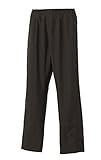
- Lightweight Sta-Dry System is a 100% waterproof shell; windproof, lightweight, comfortable, and quiet
- Gripper waist ensures comfortable non-slip fit
- Elastic waistband ensures a comfortable fit
- Seam sealed for complete waterproofing
- Extra long 5-inch VELCRO brand closure pant bottom allows for convenient length and fit alterations
The FootJoy DryJoys rain pants are the best all-around option for most golfers. They use the same waterproof-breathable technology as the HydroLite jacket line — fully seam-sealed construction, 20K waterproofing — in a pant cut specifically for golf movement. The waistband has a wide elastic section with an adjustable drawcord, and there’s enough room through the seat and thigh to accommodate a full hip rotation without the pants pulling or binding.
Critically, the DryJoys pants zip fully at the ankle — you don’t have to take your shoes off to put them on or take them off. On a course, this matters enormously. Ankle venting zips let you dial in temperature on warmer wet days. Two side-zip pockets give you somewhere to put your hands or tuck a ball marker without soaking everything inside.
They pack down reasonably well — not quite as tight as a dedicated packable pant, but small enough to live permanently in your bag without taking up meaningful space. At a weight that keeps them comfortable for a full walking round, these are the pants you’ll reach for every time the sky gets dark.
Best for: All-weather golfers who walk the course and need full lower-body protection.
Key specs: 20K waterproofing, fully seam-sealed, full ankle zip, elastic waistband with drawcord.
5. Under Armour Storm Rain Pants — Best Budget Rain Pants
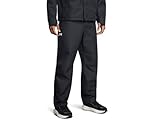
- UA Storm Technology: This unique technology effectively repels water, ensuring you stay dry and comfortable even in harsh weather conditions.
- 100% Waterproof & Windproof Fabric: The outer fabric is both waterproof and windproof, providing comprehensive protection against the elements and allowing for uninterrupted outdoor activities.
- Interior Woven Lining: An additional comfort feature, the woven lining offers extra warmth, making these pants ideal for those cooler days.
- Elastic Waistband with Internal Drawcord: The encased elastic waistband allows for a secure and customizable fit, ensuring maximum comfort and agility during physical activities.
- Leg Zips with Snap Closure: Designed with convenience in mind, the leg zips with snap closure allow for easy on/off even over cleats, a practical detail for athletes.
If the FootJoy DryJoys are out of budget range, Under Armour’s Storm rain pants are the next-best option — and they’re better than their price point suggests. Under Armour’s Storm technology uses a water-repellent finish applied to the outer fabric surface that causes water to bead and roll off rather than penetrating the weave. It’s not a membrane-based waterproof system, so in sustained heavy rain it will eventually saturate — but for the majority of golf situations (intermittent showers, light to moderate rain, morning dew), they perform well.
Where Under Armour wins on these is the stretch factor. The fabric has excellent four-way stretch that genuinely doesn’t restrict a golf swing. The waistband is fully elastic with a drawcord, and there’s no awkward bunching through the seat that plagues some cheaper rain pants. The slim-ish cut keeps them from billowing in the wind, which helps with both comfort and feel.
The ankle opening accommodates a golf shoe easily with the zip adjustment, and there are hand pockets on both sides. They’re lightweight enough to pack flat in a side bag pocket as permanent backup gear without taking up meaningful space.
For fair-weather golfers who mostly get caught off-guard by the occasional shower rather than deliberately playing in sustained rain, these hit a strong value point.
Best for: Golfers on a budget, or those who only occasionally need rain protection.
Key specs: UA Storm DWR technology, four-way stretch, elastic waistband, packable.
6. FootJoy RainGrip Golf Gloves — Best Rain Gloves
This one surprises a lot of golfers who haven’t tried it: a wet leather glove is essentially useless. Water destroys the grip on a standard cabretta leather glove — you end up squeezing tighter to compensate, which tightens your forearms, which costs you swing speed and feel. Rain gloves flip this entirely.

- WET-WEATHER GRIP. Water absorbet Sure-Grip Autosuede knit palm provides improved fit and sure grip in rainy conditions, conforming to your hand and club for unmatched control.
- QUICK-DRY COMFORT. Quick-Dry II material along the back of the fingers dries quicker providing a comfortable fit. Quick-Dry optimizes breathability, flexibility and comfort.
- PRECISE FIT. Proprietary, strategically angled ComforTab closure provides a secure, precision fit.
- BALLMARKER. A removable ballmarker offers golfers a quick and easy solution to mark their ball.
- SOLD IN PAIRS. FJ Rain Grip gloves are sold in pairs.
The FootJoy RainGrip gloves are made from a synthetic material that actually grips better when wet. The design uses a textured synthetic palm that channels water away from the contact surface and increases surface friction as moisture increases. Dry conditions? They work fine but aren’t exceptional. Light rain? Better. Heavy rain? The grip is almost shockingly secure.
They’re sold in pairs, and that’s intentional — most golfers will wear one on each hand in serious rain rather than the standard lead-hand-only setup. The fit is snug through the fingers with a velcro closure that adjusts precisely, and they wash well (hand wash, air dry) so you’re not throwing them away after a few wet rounds.
If you play in rain regularly and you’re still using your normal glove, this is the single easiest upgrade you can make to your wet-weather game. The difference in grip security is immediately obvious.
Best for: Any golfer who plays in wet conditions and wants to maintain grip without squeezing the club to death.
Key specs: Grips better when wet, sold in pairs, textured synthetic palm, machine-washable.
Also check out our full guide to the best golf gloves for 2026 for dry-conditions options and year-round picks.
7. Callaway Golf Umbrella (64″ Double Canopy) — Best Golf Umbrella
An umbrella is the unsexy piece of the rain gear puzzle, but skip it and you’ll regret it. A proper golf umbrella does things a compact city umbrella simply can’t: covers both you and your bag simultaneously, stays stable in wind without inverting, and keeps your grips and towel dry between shots.

- 64” Double Canopy
- Cable Enforced Technology Designed to Withstand Winds up to 75 mph
- Vented Canopy for Increased Wind Resistance
- 30+ UPF Protection
- Manual Open and Close
The Callaway 64-inch double canopy umbrella is the workhorse pick here. The 64-inch span is the minimum size you want for real coverage — smaller umbrellas leave your bag and lower body exposed. The double canopy design (a vented inner canopy with an outer shell) is key in wind: instead of catching the wind like a sail and inverting or pulling you sideways, the double canopy vents wind through the structure and stays stable. It’s a meaningful difference on an exposed links course or an open parkland layout.
The fiberglass shaft flexes rather than snapping in gusts, and the rubber grip handle gives you something to hold onto with a wet hand. The auto-open mechanism works reliably — which sounds trivial until you’re fumbling with a stuck umbrella in the rain while trying to keep your bag dry.
One practical note: always stick the umbrella into your bag strap or bag ring on your cart when you’re over the ball. Holding an umbrella while hitting is both impractical and against etiquette. Plant it, take your shot, retrieve it.
Best for: All golfers. There is no scenario where a quality golf umbrella isn’t worth carrying.
Key specs: 64-inch span, double canopy venting, fiberglass shaft, auto-open.
Don’t Forget: Rain Covers for Your Bag
Every decent golf bag ships with a rain cover, and most golfers leave it at home or forget it exists until the moment they need it. That’s a mistake worth correcting now.
A rain cover keeps your club grips dry (dry grips = normal grip pressure = better swing), protects your headcovers, and keeps anything stashed in your bag pockets — range finders, scorecards, your phone — from getting soaked. It takes about 15 seconds to put on and pull off.
If your bag’s included cover has gone missing or you have an older bag, aftermarket rain covers are inexpensive and widely available. Look for one that fits snugly around your bag’s specific configuration — stand bags and cart bags have different profiles — and has a secure attachment point so it doesn’t blow off in the wind.
For stand bag recommendations that come with solid built-in covers, see our roundup of the best golf stand bags for 2026.
How to Actually Play Better Golf in the Rain
The right gear buys you the opportunity to play well in wet conditions. What you do with that opportunity comes down to a few practical adjustments.
Grip Pressure and Club Grips
Wet grips demand lighter grip pressure, not heavier — especially with rain gloves on. The extra surface friction of the glove does the holding work for you. Trust it. Squeezing harder tightens your forearms, which narrows your arc and costs you clubhead speed. Consciously lighten up and let the glove grip do its job.
Replace worn grips before they get slippery when wet. A fresh grip is genuinely tacky in the rain; a worn grip is a liability. Most golfers should regrip annually — more often if you play frequently.
Club Selection
Rain and wet air create drag on the ball. In sustained rain, expect to lose 5–10 yards off normal distances, sometimes more into a headwind. Club up accordingly. On approach shots, don’t rely on carry distance alone — wet greens won’t release the ball forward, so your first bounce is closer to where the ball lands. Plan for less release and aim to land the ball on your number rather than trusting rollout.
Course Management Changes
Wet rough is heavier and grabs the clubface more aggressively than dry rough. Flier lies — where the ball lands in wet rough and shoots out with reduced spin — become more common. When you’re in wet rough, expect less predictable spin on the shot and plan for the ball to fly hotter and run more on the green.
Bunkers after rain are a different game. Wet sand is firmer and the ball plugs differently. Adjust your technique: open the face less than you normally would, pick the ball a little cleaner, and expect less spin on the way out.
Keep Your Towel Dry
This sounds obvious but gets missed constantly: keep a towel under the umbrella and away from rain. A wet towel is useless for drying club faces and grips before shots. Many experienced wet-weather golfers keep a second towel tucked inside a bag pocket, pulling it out only when needed. Alternatively, the interior pocket of your jacket works in a pinch for quick grip dries between shots.
Mental Adjustment
A round in the rain is a round in the rain. Your numbers will likely be slightly higher. So will everyone else’s. Bogeys that would sting on a clear day become reasonable outcomes in heavy weather. The golfers who score best in rain aren’t necessarily hitting it better — they’re managing their expectations, accepting the conditions, and grinding through holes without compounding mistakes with frustration.
Adjust your target scores before you start. Decide what a good round in these conditions looks like and chase that, not your dry-weather handicap.
Putting It All Together: The Ideal Rain Gear Setup
You don’t have to buy everything at once. If you’re building out your wet-weather kit prioritized by impact, here’s how to approach it:
- Jacket first. This is the biggest difference maker. The FootJoy HydroLite is the starting point for most golfers.
- Rain gloves second. The impact on grip and swing quality is immediate and significant.
- Umbrella third. Keeping your grips and yourself dry between shots is a cumulative advantage over 18 holes.
- Rain pants fourth. Important for full rounds in sustained rain, less critical for shorter outings or light showers.
- Rain bag cover. Already in your bag (hopefully) — just make sure you can actually find it.
Complete the picture with waterproof footwear. The best rain gear in the world doesn’t help much if your feet are soaked through by the fourth hole. See our full breakdown of the best golf shoes for 2026 — waterproof options are featured throughout.
Frequently Asked Questions
What’s the difference between waterproof and water-resistant golf gear?
Water-resistant gear uses a durable water-repellent (DWR) coating on the fabric surface that causes light rain to bead and roll off. In sustained or heavy rain, the coating saturates and water starts to penetrate. Waterproof gear adds a membrane layer bonded to the fabric that physically blocks water from passing through, regardless of how long the rain continues. For serious wet-weather play, you want waterproof — not just water-resistant.
Can I wear regular golf pants in the rain?
You can, but you’ll regret it. Regular golf trousers — even polyester or synthetic blends — absorb water and become heavy, cold, and clingy. They also take a long time to dry. Rain pants are designed to shed water off the surface and are worth carrying in your bag any time there’s even a moderate chance of rain.
Do I need rain gloves for both hands?
Most golfers find that wearing rain gloves on both hands gives the best grip security in wet conditions. The FootJoy RainGrip and most other rain gloves are sold in pairs specifically for this reason. Some golfers prefer one glove on the lead hand only — it comes down to personal preference, but in heavy rain, both hands typically benefit.
How do I care for my waterproof jacket to maintain performance?
Wash waterproof golf jackets regularly — dirt and oils break down the DWR coating over time. Use a technical outerwear cleaner (Nikwax Tech Wash is widely recommended) and follow the care instructions on the jacket label. After washing, tumble dry on low heat or iron on low — heat reactivates the DWR coating. If the jacket is still shedding less effectively after washing, a DWR re-treatment spray (Nikwax TX.Direct, for example) can restore performance. Nikwax’s website has detailed guidance on caring for waterproof outerwear.
Is it worth spending more on a GORE-TEX jacket versus a brand-specific membrane?
GORE-TEX is genuinely excellent and the performance guarantee behind it is meaningful. That said, FootJoy’s proprietary HydroLite technology and Nike’s Storm-FIT ADV both deliver real-world performance that competes with GORE-TEX at comparable or lower price points. For most recreational golfers, the difference is minimal. For players who are out in genuinely extreme conditions regularly, GORE-TEX’s track record justifies the premium.
You Might Also Enjoy
The Bottom Line on Best Golf Rain Gear
The best golf rain gear doesn’t just keep you dry — it keeps you in the game. A round cut short by rain, or dragged through in misery because your gear let you down, costs you time, money, and the kind of mental momentum that’s hard to rebuild. Get the right jacket, carry the right gloves, and treat a rainy forecast as an opportunity rather than a reason to cancel.
The FootJoy HydroLite is the jacket most golfers should buy first. The RainGrip gloves are the most under-appreciated upgrade in wet-weather golf. A proper 64-inch double-canopy umbrella is something you’ll wonder how you managed without. Start there, build out the rest of your kit as needed, and stop letting weather be an excuse.
The course doesn’t close for rain. You might as well go out and own it.