
How to Play Golf Alone: Etiquette & Tips
There’s something uniquely liberating about heading to the golf course on your own. Whether you’re looking to work on your game without distractions, enjoy some peaceful time in nature, or simply couldn’t find a playing partner, solo golf offers a rewarding experience that every golfer should embrace. Playing golf alone isn’t just acceptable—it’s one of the best ways to improve your skills and deepen your appreciation for the game.
In this complete guide, we’ll cover everything you need to know about playing golf as a single, from booking etiquette to making the most of your alone time on the course.
Why Play Golf Alone?

Solo golf isn’t just a fallback option when your buddies can’t make it—it’s a deliberate choice that many experienced golfers make regularly. Here’s why playing alone can be incredibly valuable:
Focused Practice Time
When you’re playing with others, there’s always pressure to keep up, maintain conversation, and stick to a schedule. Playing alone removes these distractions entirely. You can take extra shots from the fairway, spend more time reading putts, or replay a difficult chip shot until you’ve figured it out. This kind of deliberate practice is invaluable for skill development.
Play at Your Own Pace
Solo golf means you control the tempo. Want to take a moment to appreciate the view from an elevated tee box? Go ahead. Need to spend extra time analyzing why your drives keep slicing? No one’s waiting. Conversely, if you want to power through 18 holes in under three hours, there’s no one slowing you down.
Mental Reset and Reflection
Golf courses are often beautifully maintained natural spaces. Walking alone through manicured fairways, surrounded by trees and wildlife, provides genuine mental health benefits. Many golfers find that solo rounds become moving meditations—a chance to process thoughts, reduce stress, and return to daily life refreshed.
Booking as a Single Golfer
Booking a tee time as a single can feel awkward if you’ve never done it before, but it’s completely normal and courses accommodate solo players all the time. Here’s how to handle it:
Online Booking Systems
Most modern courses use online booking platforms where you simply select “1 golfer” when reserving your tee time. Many courses will automatically pair you with other singles or small groups to fill tee times, so don’t be surprised if you show up expecting to play alone and find yourself with playing partners.
Calling the Pro Shop
If you specifically want to play alone, calling ahead is often the best approach. Explain that you’d like a solo round and ask about the best times. Early mornings, late afternoons, and weekday mid-mornings often have the best availability for singles who want to stay single. Some courses will accommodate this request, especially during slower periods.
Twilight and Off-Peak Times
Twilight golf is a solo golfer’s best friend. These late-afternoon rounds are cheaper, less crowded, and courses are more likely to let you play alone. You might not finish 18 holes before dark, but the peaceful experience and lower cost make it worthwhile.
Getting Paired with Strangers

Getting paired with strangers is extremely common when you book as a single, and it’s actually one of the great social aspects of golf. Here’s how to make the most of it:
Embrace the Social Opportunity
Some of the best rounds and lasting friendships begin with random pairings. Approach it with an open mind—you’re about to spend 4+ hours with these people, so a positive attitude goes a long way. Introduce yourself on the first tee, share a handshake, and show genuine interest in your playing partners.
Basic Etiquette with New Partners
When paired with strangers, standard golf etiquette becomes even more important:
- Be ready to play when it’s your turn
- Keep conversation friendly but not excessive during others’ shots
- Offer to tend the flag and help look for errant balls
- Match the group’s pace—don’t rush them or hold them up
- Be gracious about skill differences; not everyone plays at the same level
When Personalities Don’t Click
Occasionally, you’ll be paired with someone whose personality or pace doesn’t mesh with yours. Stay polite, focus on your own game, and remember that it’s only a few hours. You can always position yourself on opposite sides of the fairway and keep interaction minimal while remaining courteous.
Pace of Play as a Single
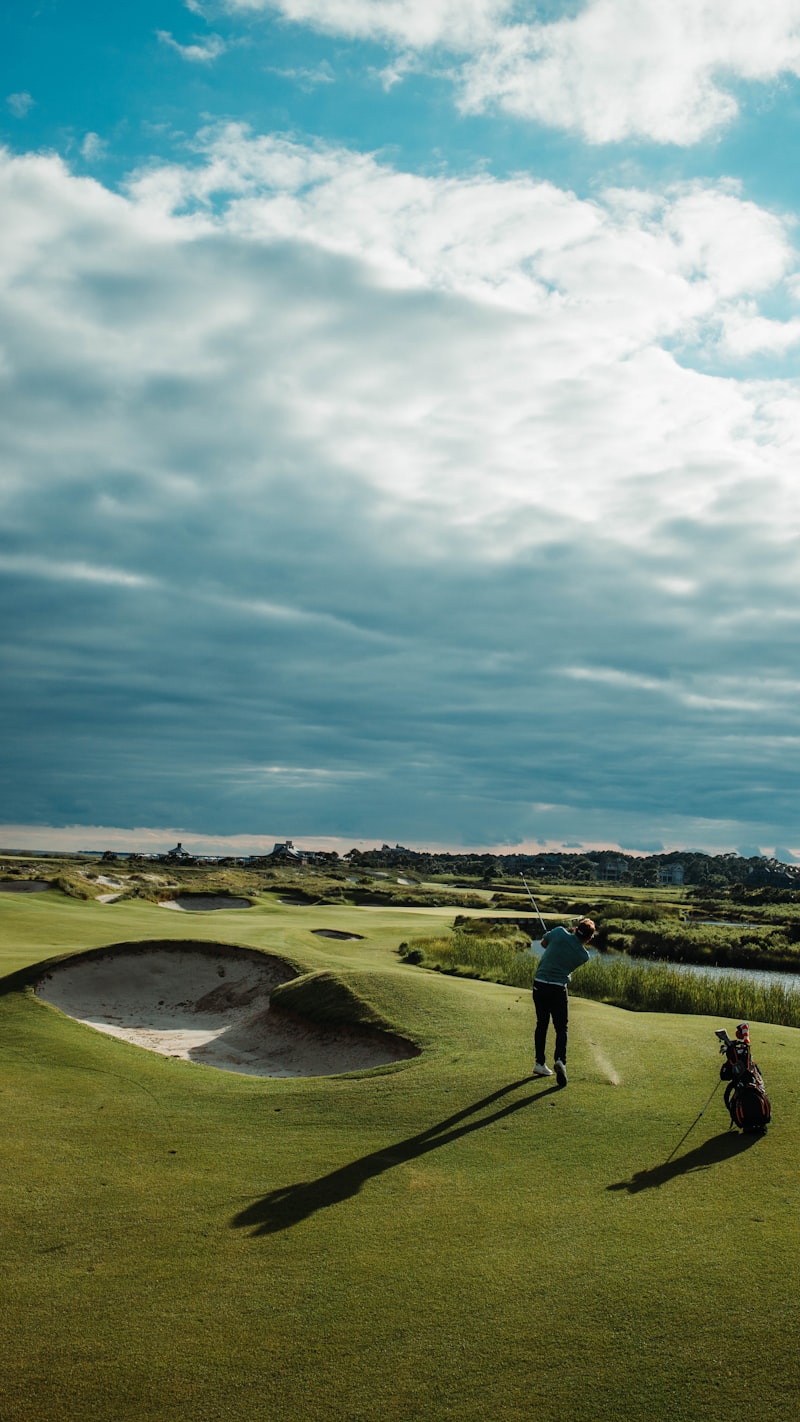
As a single, you have both the ability to play quickly and the responsibility to manage your pace relative to other groups. Here’s how to handle it:
You’ll Likely Play Faster
Solo golfers naturally play faster than groups—there’s no waiting for others to hit, no extended conversations on the green, and decision-making is immediate. A solo player can often complete 18 holes in 2.5-3 hours while walking, compared to 4-4.5 hours for a foursome.
Managing the Group Ahead
You will inevitably catch up to slower groups ahead of you. When this happens:
- Be patient first – Wait a hole or two; they might speed up or let you through
- Politely ask to play through – Between holes, approach and ask if you might play through
- Use the time wisely – If you must wait, practice chips or take photos of the course
- Never hit into a group – No matter how frustrated you are, this is dangerous and inexcusable
When Groups Won’t Let You Through
Unfortunately, not every group will let a single play through, even when they should. If this happens, maintain your composure. You can notify the marshal, skip a hole temporarily, or simply use the extra time for practice shots. Getting angry helps no one and ruins your peaceful solo experience.
Practice Opportunities When Solo
One of the greatest advantages of playing alone is the freedom to turn your round into a productive practice session. Here’s how to maximize improvement:
Hit Multiple Balls (When Appropriate)
If the course isn’t busy and no one is waiting behind you, there’s nothing wrong with dropping a second ball to try that approach shot again. This immediate feedback—hitting the same shot twice from the same spot—accelerates learning in a way that range practice can’t replicate.
Work on Specific Skills
Use your solo round to focus on specific weaknesses:
- Putting: Putt out everything, even the gimmes. Take extra putts from different angles
- Bunker play: If a practice bunker is available, spend time there between holes
- Club selection: Hit different clubs from the same distance to calibrate your yardages
- Course management: Try playing the same hole with different strategies
Mental Game Training
Solo rounds are perfect for developing your pre-shot routine, practicing visualization, and building mental toughness. Without the distraction of conversation, you can fully commit to each shot and notice patterns in your thinking that affect performance.
Safety Considerations

Playing golf alone is generally very safe, but there are a few precautions every solo golfer should take:
Let Someone Know
Tell a family member or friend where you’re playing and approximately when you expect to finish. This is especially important if you’re playing a remote course or have any health concerns.
Carry Your Phone
Keep your mobile phone charged and accessible. Besides emergencies, you can use it to contact the clubhouse if you need assistance, check weather radar, or capture that beautiful sunrise over the 7th hole.
Stay Hydrated and Protected
When playing alone, there’s no buddy to notice if you’re becoming dehydrated or overheated. Carry plenty of water, wear sunscreen, and take breaks in the shade during hot weather. Consider walking with a push cart to reduce physical strain while still getting exercise.
Weather Awareness
Solo golfers need to be especially vigilant about lightning. Without others to consult, you must make your own decision to seek shelter. When in doubt, get off the course. No round of golf is worth the risk.
Making the Most of Solo Rounds

Beyond practice and safety, here are ways to make your solo rounds truly special:
Embrace the Mindfulness
Without the need to maintain conversation, you can fully immerse yourself in the experience. Notice the feel of the grass under your feet, the sound of birds, the satisfaction of a well-struck iron. This mindful approach often leads to better golf because you’re fully present for each shot.
Try New Courses
Solo golf is perfect for exploring new courses. You don’t need to coordinate schedules with anyone, and you can focus entirely on experiencing the layout without social obligations. Many golfers keep a “courses played” list and use solo rounds to expand it.
Document Your Rounds
Take photos of beautiful holes, interesting wildlife, or your own swing (using a phone tripod). Keep detailed notes about your game—what worked, what didn’t, what you want to practice next. This documentation becomes valuable for tracking improvement over time.
Listen to Something
Some solo golfers enjoy listening to podcasts, audiobooks, or music through a single earbud (keep one ear open for safety and awareness). Others prefer complete silence. Experiment to find what enhances your experience without affecting concentration.
Frequently Asked Questions
Is it weird to golf by yourself?
Not at all! Solo golf is completely normal and accepted at every course. Many serious golfers regularly play alone to practice and enjoy peace on the course. Pro shops see single bookings every day.
Do golf courses allow single players?
Yes, virtually all golf courses accept single player bookings. However, they may pair you with other golfers to fill tee times, especially during busy periods. Call ahead if you specifically want to play alone.
What’s the best time to play golf alone?
Early mornings (first tee time), late afternoons (twilight), and weekday mid-mornings typically offer the best opportunities for uninterrupted solo rounds. These times are less crowded, and courses are more likely to accommodate single players who want to stay single.
Should I walk or ride when playing alone?
This is personal preference. Walking provides better exercise and allows you to experience the course more intimately. Riding is faster and less tiring, which might allow you to play more holes or focus more on your swing. Many solo golfers prefer walking with a push cart as a middle ground.
Can I play multiple balls when golfing alone?
Yes, as long as the course isn’t busy and you’re not holding up other players. It’s a great way to practice, but always be aware of groups behind you and yield if you’re slowing play.
How do I ask to play through a slower group?
Wait until they’re on the green or between holes, approach politely, and simply say something like, “Would you mind if I played through? I don’t want to rush you.” Most groups will happily oblige a single player.
Conclusion
Playing golf alone is one of the game’s great pleasures, offering unique benefits that group play simply can’t match. From focused practice time to peaceful reflection, solo rounds help you become both a better golfer and a more centered person.
Don’t wait for the perfect foursome to hit the links. Book that solo tee time, embrace the freedom, and discover why so many golfers consider their alone time on the course to be the most valuable rounds they play. Whether you’re grinding on your game or simply enjoying a walking meditation through beautiful landscapes, solo golf delivers an experience worth seeking out regularly.
The next time your usual playing partners are unavailable, don’t cancel—embrace it. Your best round might just be the one you play by yourself.