
How to Clean Golf Clubs: The Right Way
There’s nothing quite like the feeling of pulling a pristine club from your bag, knowing it’s ready to perform at its best. Clean golf clubs don’t just look better—they actually play better. Dirt, grass, and debris trapped in the grooves of your irons can significantly reduce spin and control, while gunk buildup on your woods affects launch angle and ball speed.
The good news? Cleaning your golf clubs properly takes just a few minutes and requires minimal supplies. In this complete guide, I’ll walk you through exactly how to clean every club in your bag the right way—from irons and wedges to woods, drivers, putters, and even your grips.

What You’ll Need to Clean Your Golf Clubs
Before you get started, gather these simple supplies. You probably have most of them at home already:
- Bucket or basin – Large enough to fit your clubheads
- Warm water – Not hot, as extreme heat can damage club components
- Dish soap – A few drops of mild dish soap works perfectly
- Soft-bristled brush – An old toothbrush or dedicated club brush
- Clean towels – One for drying, one for wiping during play
- Groove cleaning tool – Optional but helpful for stubborn debris

Pro tip: Avoid using wire brushes, steel wool, or harsh chemicals like bleach or ammonia. These can scratch club faces, damage finishes, and degrade ferrules over time.
How to Clean Your Irons and Wedges: Step-by-Step
Irons and wedges require the most frequent cleaning because their grooves directly affect spin and ball control. Here’s the proper method:
Step 1: Prepare Your Cleaning Solution
Fill your bucket with warm water (not hot!) and add a few drops of dish soap. Swirl it around to create a mild soapy solution. The water should be warm enough to help loosen dirt but not so hot that it could affect club epoxy or ferrules.
Step 2: Soak the Clubheads
Submerge only the clubheads in the water—not the ferrules or shafts. Let them soak for 5-10 minutes. This softens any caked-on dirt and grass, making it much easier to remove.
Step 3: Scrub the Grooves
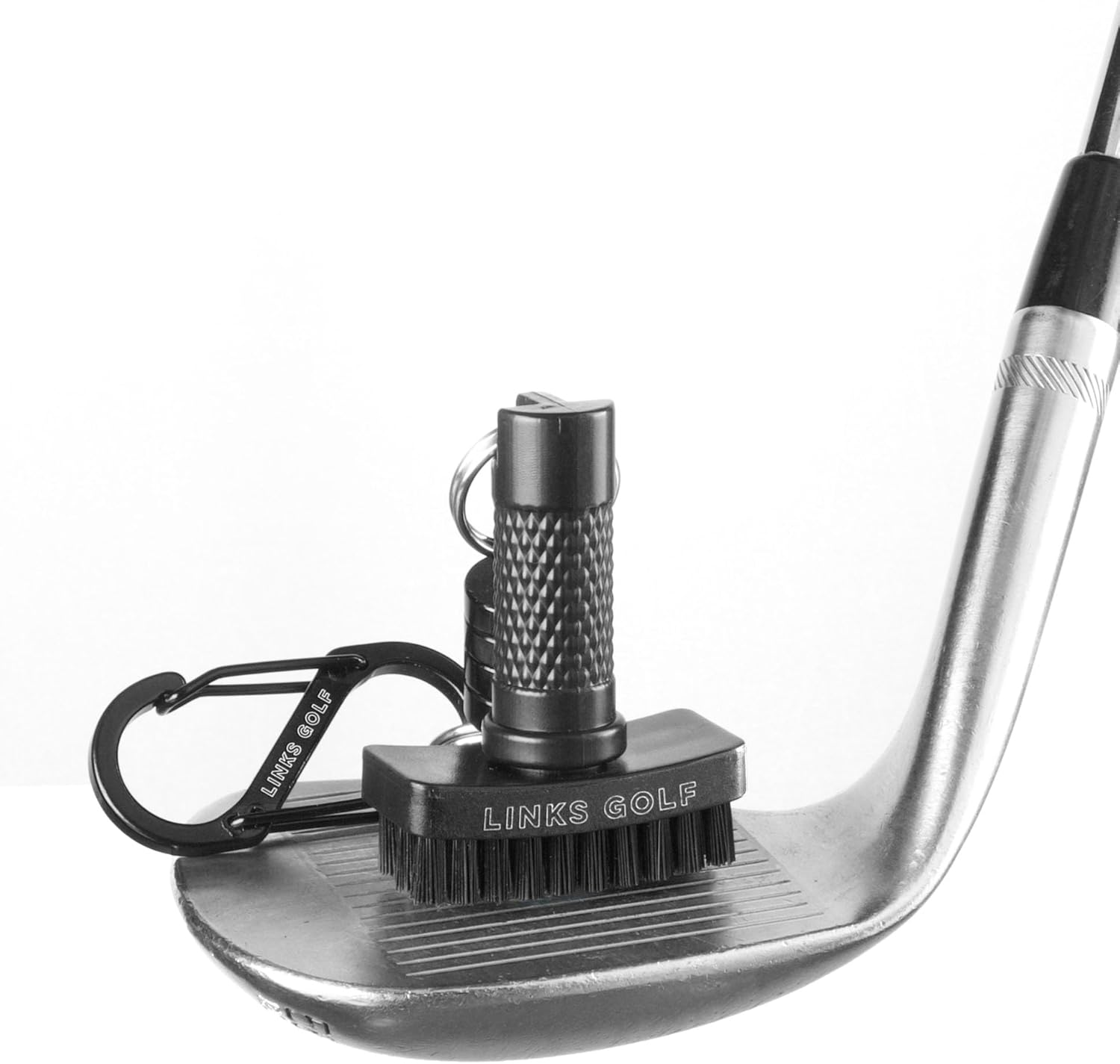
Using your soft-bristled brush, scrub the club face thoroughly. Pay special attention to the grooves—these are where dirt accumulates most and has the biggest impact on performance. Work the brush along each groove to remove all debris.
For stubborn dirt, use a groove cleaning tool or even a wooden tee to carefully clean out each groove. Just be gentle to avoid scratching the metal.
Step 4: Rinse and Dry
Rinse each club with clean water to remove all soap residue. Then immediately dry the entire clubhead thoroughly with a clean towel. This step is crucial—leaving moisture on your clubs can lead to rust, especially on forged irons and wedges.
How to Clean Your Woods and Driver
Woods and drivers require a gentler approach than irons. Their larger surfaces and sensitive finishes can be damaged by aggressive cleaning.
Important: Never soak your woods or driver. The hollow construction and adjustable hosels on many modern drivers can trap water, potentially causing internal damage.
The Proper Method for Woods
- Dampen a soft cloth with warm, soapy water (same mild dish soap solution)
- Wipe the clubhead gently, paying attention to the face, sole, and crown
- Use a soft brush on the face to remove any dirt from the shallow grooves
- Rinse the cloth with clean water and wipe the club again to remove soap
- Dry immediately with a clean, dry towel
For headcovers, shake them out to remove loose debris and occasionally wash them with mild soap and water if they get dirty. Let them air dry completely before putting them back on your clubs.
How to Clean Your Putter
Your putter doesn’t get as dirty as your other clubs, but it still needs regular cleaning to maintain its appearance and feel. Plus, dirt on the putter face can subtly affect ball roll.

Putter Cleaning Steps
- Wipe down with a damp cloth using mild soapy water
- Clean the face grooves gently with a soft brush if your putter has milled grooves or face inserts
- Dry completely and inspect the face for any remaining debris
- Polish if desired using a microfiber cloth
Note for insert putters: If your putter has a face insert (like many Odyssey or TaylorMade models), be extra gentle. Use only soft materials and avoid any solvents that could damage the insert material.
Don’t Forget Your Grips!
Grip maintenance is often overlooked, but dirty, worn grips are one of the biggest performance killers in golf. Built-up oils, sweat, and dirt make grips slick, forcing you to squeeze harder and creating tension in your swing.
How to Clean Golf Grips
- Wet the grip with warm water
- Apply mild soap directly to the grip or use a soapy cloth
- Scrub with a brush or cloth, working the entire grip surface
- Rinse thoroughly with clean water
- Dry with a towel and let air dry before storing
Clean your grips after every few rounds to maintain their tackiness. If they still feel slick after cleaning, it might be time for new grips—most golfers should regrip their clubs at least once a year, or every 40-60 rounds.
How Often Should You Clean Your Golf Clubs?
Here’s a simple cleaning schedule to follow:
During Every Round
Carry a wet towel in your bag and wipe your club faces after each shot. This quick wipe prevents buildup and keeps grooves performing optimally. Most courses have ball washers with wet towels available too.
After Every Round
Give your clubs a quick wipe down before storing them. Check the grooves on your most-used irons and wedges, and clean any visible debris. This takes 2-3 minutes max.
Deep Clean Monthly
Once a month (or every 4-5 rounds), do a thorough deep clean using the full process described above. This includes soaking irons, cleaning woods and putters, and washing your grips.
Seasonal Maintenance
At the end of each season, do a thorough cleaning and inspection. Check for worn grips, loose ferrules, shaft damage, and any rust spots. This is a good time to regrip clubs if needed.
Common Golf Club Cleaning Mistakes to Avoid
Even with good intentions, many golfers damage their clubs through improper cleaning. Here are the most common mistakes:
1. Using Hot Water
Hot water can weaken the epoxy bonding clubheads to shafts and damage ferrules. Always use warm or lukewarm water—it’s effective for cleaning without the risk.
2. Soaking Woods and Drivers
As mentioned earlier, hollow clubs can trap water. Only soak your irons and wedges; use the damp cloth method for woods.
3. Using Wire Brushes
Wire brushes scratch club faces and damage finishes. Stick to soft-bristled brushes, even on stubborn dirt. The soaking time will do most of the work for you.
4. Using Harsh Chemicals
Bleach, ammonia, and abrasive cleaners can strip finishes, damage chrome plating, and degrade rubber grips. Mild dish soap is all you need.
5. Not Drying Completely
Putting wet clubs back in your bag is a recipe for rust and mildew. Always dry your clubs completely, especially forged irons which are more susceptible to rust.
6. Ignoring the Grips
Many golfers focus only on the clubheads. Your grips affect every shot—keep them clean and tacky for consistent performance.
Frequently Asked Questions
Can I use a pressure washer to clean golf clubs?
No. High-pressure water can damage club finishes, force water into hollow clubheads, and potentially loosen clubhead-to-shaft bonds. Stick with gentle hand cleaning.
Is it okay to put golf clubs in the dishwasher?
Absolutely not. The heat, harsh detergents, and intense spray will damage your clubs. Always hand clean your golf equipment.
How do I remove rust from golf clubs?
For light surface rust, try scrubbing with steel wool (gentle!) or a rust eraser. For more serious rust, create a paste of baking soda and water, apply it to the affected area, let it sit for a few minutes, then scrub gently. Prevent rust by always drying clubs thoroughly.
Can I clean golf clubs with WD-40?
WD-40 can help displace moisture and remove light rust from clubheads, but don’t use it on grips or get it on the face grooves before playing, as it can affect spin. Soap and water is safer for regular cleaning.
Should I clean my clubs before or after playing?
Both! Do a quick wipe during play and after your round. This prevents dirt from hardening and makes your deep cleaning sessions much easier.
How do I make my chrome clubs shiny again?
After cleaning and drying, you can use chrome polish (like Autosol or Mother’s) to restore shine. Apply sparingly with a soft cloth, buff gently, and wipe clean. Don’t get polish in the grooves.
Final Thoughts
Cleaning your golf clubs is one of the simplest things you can do to maintain your equipment and improve your game. Those grooves exist for a reason—they generate spin and control. When they’re clogged with dirt, you’re leaving strokes on the course.
Make it a habit: quick wipe during play, thorough wipe after each round, and a proper deep clean monthly. Your clubs will last longer, look better, and—most importantly—perform better when you need them most.
Now grab that bucket, mix up some soapy water, and give your clubs the care they deserve. Your scorecard will thank you.