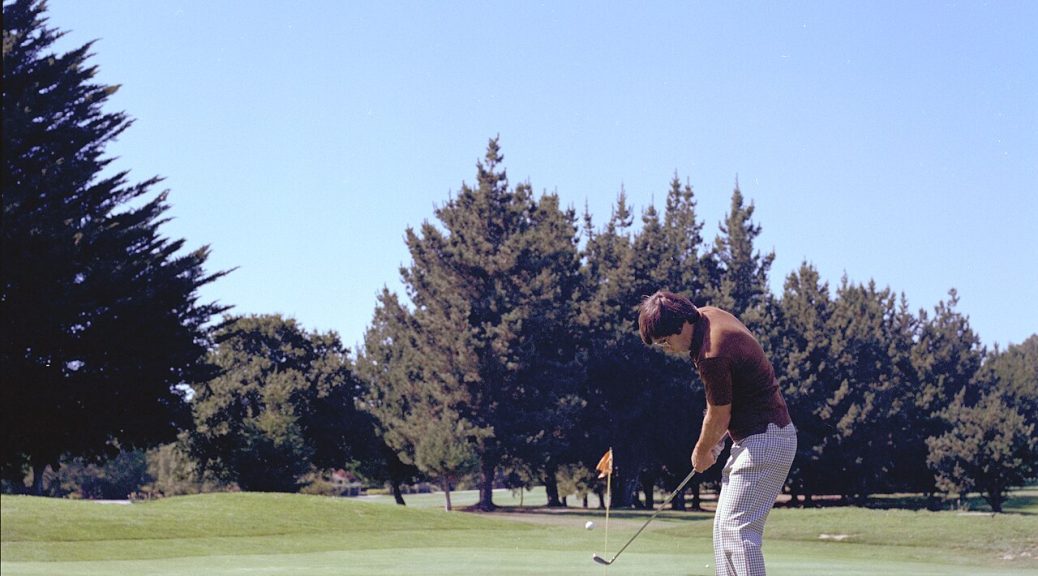
Short Game Secrets: How to Save 5 Strokes Per Round
Ask any tour professional where rounds are won and lost, and they’ll tell you the same thing: inside 100 yards. Yet most amateur golfers spend the majority of their practice time pounding drivers on the range, wondering why their scores never improve.
Here’s a reality check: the average golfer hits only 3-4 greens in regulation per round. That means you’re facing 14-15 short game shots just to save par. Master these shots, and you’ll watch your handicap drop faster than any equipment upgrade could ever deliver.
The difference between shooting 95 and 90—or 85 and 80—almost always comes down to short game proficiency. In this complete guide, we’ll break down exactly how to sharpen your wedge play, chipping, and scoring zone techniques to carve five or more strokes off your next round.
The 100-Yard-and-In Mindset
Before we dive into technique, let’s address the mental framework that separates great short game players from the rest.
Think scoring, not surviving. Most amateurs approach a 75-yard shot thinking, “Don’t skull it, don’t chunk it.” Tour players think, “Where’s the best spot to make my putt?” This fundamental shift in perspective changes everything about how you prepare for and execute scoring zone shots.
Commit to your shot selection. Indecision kills short game execution. Once you’ve chosen your shot—whether it’s a bump-and-run, standard pitch, or high spinner—commit fully. Doubt leads to deceleration, and deceleration leads to fat shots and skulled balls.
Embrace proximity, not perfection. You don’t need to hole every chip. You need to consistently get the ball within 6 feet. Do that 10 times per round, and you’ll convert more than half into one-putts. That’s 5+ strokes saved right there.
Pitch Shot Fundamentals (50-100 Yards)

The pitch shot—that in-between distance that’s too long for a chip but too short for a full swing—gives many golfers fits. Here’s how to develop consistency in this crucial range.
Setup Adjustments
Ball position: Center to slightly forward of center in your stance. This promotes clean contact and consistent trajectory.
Stance width: Narrower than your full swing—about hip-width apart. This restricts your lower body and promotes control.
Weight distribution: Start with 60% of your weight on your front foot and keep it there throughout the swing. This ensures ball-first contact.
Grip pressure: Light to medium. On a scale of 1-10, aim for a 4 or 5. Death-gripping the club creates tension that destroys tempo.
The Swing Motion
Think of the pitch shot as a controlled half-swing rather than a miniature version of your full swing.
Backswing: Hinge your wrists early and let your arms swing to about 9 o’clock (hands roughly shoulder height). Your lower body should remain quiet—minimal hip turn.
Downswing: Initiate with a gentle bump of your hips toward the target while your arms drop naturally. Maintain that wrist hinge until impact.
Through impact: Keep your chest rotating toward the target. The club should accelerate through the ball, not decelerate. A common amateur mistake is slowing down approaching impact—this causes fat and thin shots.
Finish: Your chest should face the target, with your arms extended toward the flag. A balanced finish indicates a controlled swing.
Distance Control for Pitches
Develop a clock system for your wedges:
- 9 o’clock (arms parallel to ground): 50-60 yards with your sand wedge
- 10 o’clock: 60-75 yards
- 11 o’clock: 75-90 yards
These numbers vary based on your strength and swing speed. Spend time on the range calibrating your distances with each wedge using this system.
Chip Shot Technique (Around the Green)

When you’re within 10-15 yards of the green with a clear path to the hole, the chip shot becomes your bread and butter.
The Basic Chip Setup
Club selection: Contrary to what many amateurs do, you don’t always need a lob wedge around the green. Use a variety of clubs—7-iron through sand wedge—depending on the ratio of carry to roll you need.
Ball position: Back of center, even off your back foot for very low runners.
Stance: Narrow, feet almost together, with 70% of weight on your front foot.
Hands: Ahead of the ball at address and through impact. This forward shaft lean is essential for clean contact.
The Chipping Motion
Keep it simple: The chip is a putting stroke with a lofted club. Minimal wrist action, arms and shoulders moving together.
Pendulum motion: Think of your arms and shoulders forming a triangle. This triangle rocks back and through, maintaining its shape.
Accelerate through: Just like putting, the follow-through should be slightly longer than the backswing. This ensures crisp contact.
Quiet lower body: Your legs and hips should remain stable. Any significant lower body movement adds unnecessary variables.
The Chip-to-Spot Method
Instead of looking at the hole, pick a landing spot about one-third of the way to the hole for most chip shots. Focus on landing the ball on that exact spot, trusting your club selection to handle the roll.
This technique removes the hole from your mind—reducing pressure—and gives you a more precise target to focus on.
When to Chip vs. Pitch vs. Putt

Shot selection around the green often matters more than execution. Choose wrong, and even a well-struck shot yields poor results.
Use the Putter When…
- You’re on the fringe or fairway with no obstacles between you and the hole
- The grass is tight and the ground is firm
- You’re not confident in your chipping that day (we’ve all been there)
The rule: When putting is an option, it’s usually the best option. The worst putt typically beats the worst chip.
Use a Chip When…
- You need the ball to roll more than carry
- You’re on a tight lie where pitching is risky
- The pin is back and you have plenty of green to work with
- Wind is a factor (lower trajectory equals less wind effect)
Use a Pitch When…
- You need to carry an obstacle (bunker, rough, slope)
- The pin is cut close to your side with little green to work with
- You need the ball to stop quickly
- You’re in longer rough that requires more loft to escape
The 80/20 Rule
When in doubt, use this framework: choose shots that require 80% reliability over 20% brilliance. The conservative play almost always yields lower scores over time. That flop shot over the bunker looks impressive when it works—but the risk-reward rarely favors it.
Distance Control Secrets

Distance control separates scratch golfers from weekend warriors. Here’s how to dial it in.
The Landing Spot Method
For every short game shot, pick a specific landing spot. Not a general area—a specific square foot of green. Your brain is remarkably good at regulating swing length when given a precise target.
Drill: Drop five balls around the practice green at various distances. For each shot, place a towel where you want the ball to land. Focus entirely on landing on that towel and letting the ball release to the hole. Track your success rate.
Grip Down for Control
Shortening your grip by one to two inches immediately reduces distance and increases control. It brings you closer to the ball, promotes a more compact swing, and eliminates the “too much club” problem that plagues distance control.
Match Backswing to Follow-Through
A common distance-control killer is the accelerating-then-decelerating swing. Your backswing and follow-through should roughly match in length. A longer backswing with a short finish indicates deceleration. A short backswing with a big finish indicates overcompensation.
The Mirror Drill: Without a ball, make practice swings while watching yourself in a mirror or window reflection. Ensure your backswing and follow-through are symmetrical.
Reading Lies: Tight, Fluffy, and Rough
The ball’s lie dramatically affects how you should play the shot. Learning to read lies is a massive scoring advantage.
Tight Lies
A tight lie—where the ball sits on bare or closely mown ground—is intimidating but manageable.
Keys to success:
- Choose less lofted clubs (more room for error at impact)
- Position the ball slightly back in your stance
- Focus on hitting down and through—don’t try to lift the ball
- Accept a lower trajectory and more roll
What to avoid: Never try a high-lofted flop shot from a tight lie. The margin for error is nearly zero.
Fluffy Lies
When the ball sits up in light rough or fluffy grass, different rules apply.
Keys to success:
- The ball will fly higher and with less spin than you expect
- Position the ball normally or slightly forward
- Hover the club at address (don’t ground it, or you’ll change the ball’s position)
- Make your normal swing—the club will slide through the grass
Watch out for: The flyer effect. Grass between clubface and ball reduces spin, so the ball runs more on landing. Adjust your landing spot accordingly.
Deep Rough
Buried in thick rough, your priorities shift to simply advancing the ball to a better position.
Keys to success:
- Take a lofted club (sand wedge or lob wedge)
- Open the clubface slightly at address
- Steep backswing, steep attack angle—come down aggressively
- Accept that distance control is nearly impossible—focus on getting out
- Swing firmly—the grass will grab and slow your club
Critical mindset: When you’re in deep trouble, your job is to get the ball back in play, not to save par. Aggressive recovery attempts from buried lies lead to big numbers.
Practice Routines for Short Game

Aimless practice creates aimless results. Structure your short game sessions with these proven drills.
The Ladder Drill (10 minutes)
Drop three balls 10 feet from the hole. Hit all three. Then move back to 20 feet, 30 feet, and 40 feet. Your goal: get each shot closer than the previous distance’s worst shot.
This drill builds distance control under light pressure and teaches you to “chase” good shots with equally good ones.
The Clock Drill (15 minutes)
Place four balls around the hole at 3 o’clock, 6 o’clock, 9 o’clock, and 12 o’clock positions—all 15 feet away. Chip all four, then putt out. Track your total strokes.
This drill simulates actual playing conditions, where you rarely hit the same shot twice.
Par-18 Game (20 minutes)
Find nine different locations around the practice green—varying distances, lies, and shot requirements. Play two “holes” from each spot, trying to get up and down (chip and one putt = par 2). Track your score over the full 18 shots.
Great target: Shoot even par or better (36 strokes). Tour pros average well under par on this test.
Worst Ball Drill (15 minutes)
Hit three chips from the same spot. Play your worst chip. Then putt out from that ball’s position. Repeat from different locations.
This brutal drill exposes weaknesses and builds the mental toughness to recover from imperfect shots.
Mental Approach to Short Game
Technical skill means nothing if your mind sabotages you under pressure.
Pre-Shot Routine
Develop a consistent pre-shot routine for every chip and pitch:
- Read the lie and situation (5 seconds)
- Choose your shot and club (10 seconds)
- Visualize the ball’s flight and roll (5 seconds)
- One practice swing feeling the shot (5 seconds)
- Step in and execute
The routine should take no more than 30 seconds. Any longer and you’re overthinking.
Commit Fully
Once you’ve chosen your shot, banish all doubt. Second-guessing mid-swing is the most common cause of short game disasters. Trust your process, trust your practice, and swing with conviction.
Forget the Last Shot
Whether your previous chip was perfect or a disaster, it has zero bearing on your next shot. Pros develop short memories. A good mantra: “This shot, this moment, total commitment.”
Embrace Pressure
Pressure is a privilege—it means the shot matters. Instead of fighting nerves, channel that energy into focus. Take one extra deep breath, commit to your routine, and execute.
Frequently Asked Questions
How much time should I spend practicing short game versus full swing?
The general rule: 60% short game, 40% full swing. Most amateurs flip this ratio, which is why their scores don’t improve. If you only have 30 minutes to practice, spend 20 minutes around the green.
What’s the best club for chipping around the green?
There’s no single answer—it depends on the shot. Develop comfort with at least three clubs: a pitching wedge or 9-iron for bump-and-runs, a sand wedge for standard chips, and a lob wedge for shots requiring height and stopping power.
How do I stop chunking my chip shots?
Chunk (fat) shots almost always come from trying to lift the ball. Instead, focus on keeping your weight forward and hitting down through the ball. The loft of the club does the lifting—you don’t have to.
Why do I skull chips across the green?
Skulled shots happen when you lift up during the swing, causing the club’s leading edge to strike the ball’s equator. Keep your sternum over the ball through impact and focus on staying down through the shot.
Should I hinge my wrists when chipping?
For basic chip shots, minimize wrist hinge. Think of it as a putting stroke with a lofted club. For longer pitch shots or shots requiring more height, controlled wrist hinge on the backswing is appropriate—just ensure you maintain that hinge angle through impact.
How do I get more spin on my short game shots?
Spin comes from clubhead speed through impact and clean ball-first contact. Make sure your grooves are clean, use a high-quality ball, and accelerate through the shot. Note: spin is overrated for most amateurs—focusing on controlling where the ball lands is more important.
Conclusion
The path to lower scores runs directly through your short game. While your buddies are spending money on new drivers that might add five yards, you can be working on the shots that actually determine your score.
Start with the fundamentals: proper setup, controlled tempo, and clean contact. Build your shot repertoire systematically—first the basic chip, then the standard pitch, then more advanced shots as your confidence grows. Develop your distance control through deliberate practice with specific targets.
Most importantly, commit to spending the majority of your practice time inside 100 yards. It’s not as glamorous as hitting bombs on the range, but it’s where the real scoring happens.
Apply these short game secrets consistently, and you won’t just save five strokes per round—you’ll transform your entire relationship with the game. Those stressful moments when you miss a green will become opportunities rather than disasters. And that confidence? It tends to spread to every other part of your game.
Now get out to the practice green and put these secrets to work.